
Do Refrigerator Water Filters Remove Lead (2026): What the Evidence Says
Guide
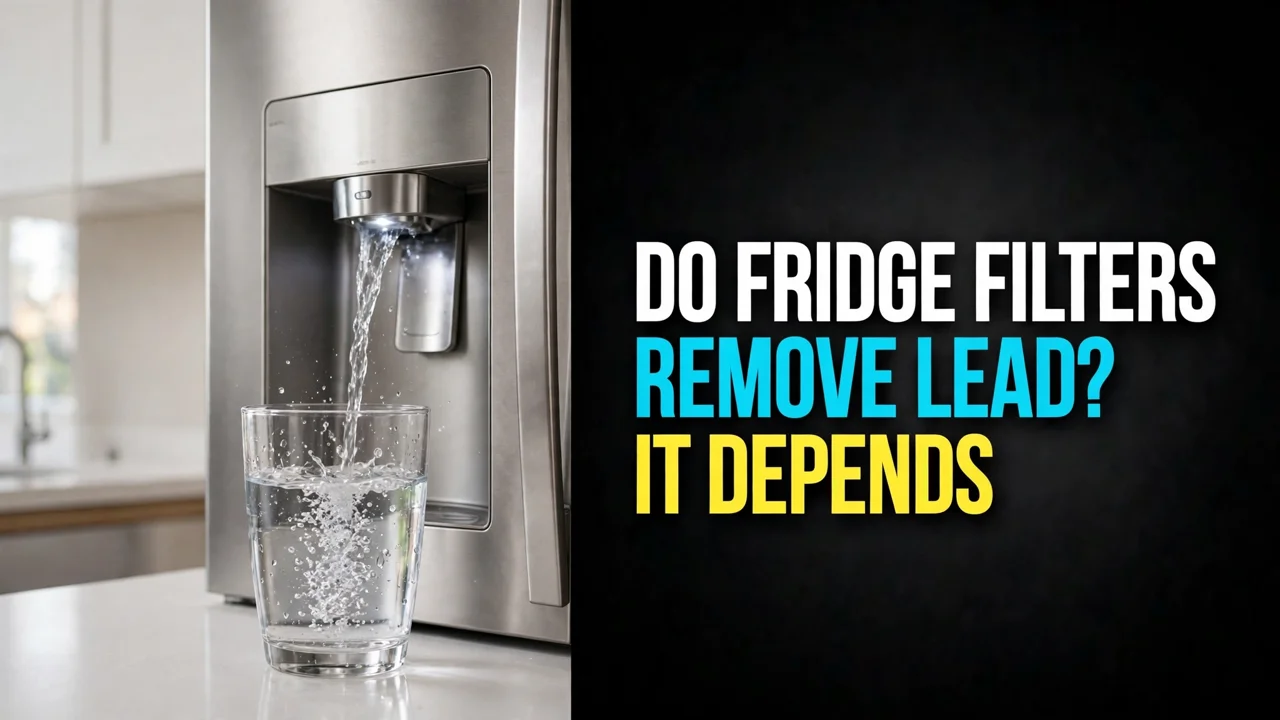
Ask the question generally and you will get a generally useless answer, because “refrigerator filters” are not one product. The genuine cartridge lines sold for America’s big fridge brands were tested, model by model, against specific contaminants — and lead made the list for most of them, but not all. One of the best-selling cartridges in the country was never certified for lead at all. So the honest answer to the question lives on the certification listing of the exact cartridge inside your fridge.
The short answer: yes — if your cartridge is a genuine model with an NSF/ANSI 53 lead claim. Frigidaire’s WF3CB and ULTRAWF, EveryDrop’s EDR4RXD1, GE’s XWFE, and LG’s LT1000P all carry lead reduction in their listings. Samsung’s DA29-00020B does not — it is certified to NSF/ANSI 42 only, per the NSF database. And no compatible cartridge certifies for lead, whatever its packaging suggests.
Table of Contents
Quick verdict
Lead is one of the few contaminants where fridge filters genuinely deliver — the genuine cartridges in most Frigidaire, Whirlpool-family, GE, and LG refrigerators are certified to reduce it under NSF/ANSI 53. The exceptions matter as much as the rule: Samsung’s standard cartridge carries no lead claim, and neither does any third-party compatible. So this is a two-minute verification, not a research project: find your cartridge’s model number, check its listing for a 53 lead claim, and you have your answer — before you spend anything on alternatives.
The direct answer, model by model
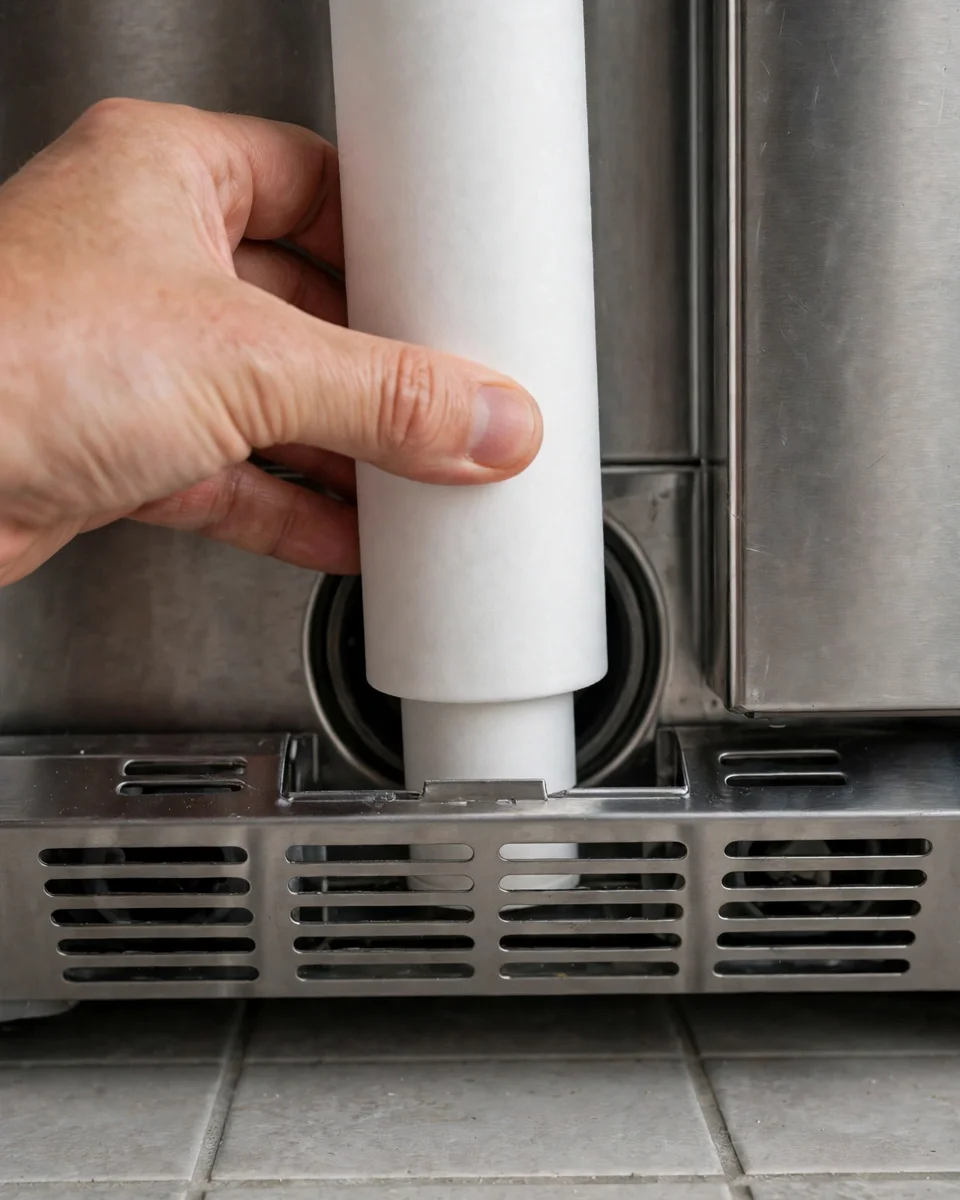
Frigidaire WF3CB and ULTRAWF: yes. Both PureSource lines are IAPMO-listed to NSF/ANSI 42, 53, and 401, and lead is among the 53 claims. EveryDrop EDR4RXD1 (Whirlpool, Maytag, KitchenAid and siblings): yes — Whirlpool lists it to NSF 42/53/401 including lead. GE XWFE: yes — NSF 42/53/401, with lead under the 53 claims (and a P473 listing for PFOA/PFOS besides). LG LT1000P: yes — LG lists it to NSF 42/53/401 including lead. Samsung DA29-00020B: no. In the NSF’s own database the listing stops at Standard 42 — chlorine, taste, and odor — with no 53 certification and no lead claim of any kind. Owners of Samsung fridges who assumed the cartridge covered lead have been assuming wrong, and it is the single most common wrong assumption in this category.
The compatible versions of all of the above: no. Mainstream third-party cartridges typically certify to NSF/ANSI 42 at best, when they certify at all — none certify to 53 or 401 — so a lead-reduction claim on a compatible’s box is untested artwork, not a result.
Where the lead comes from
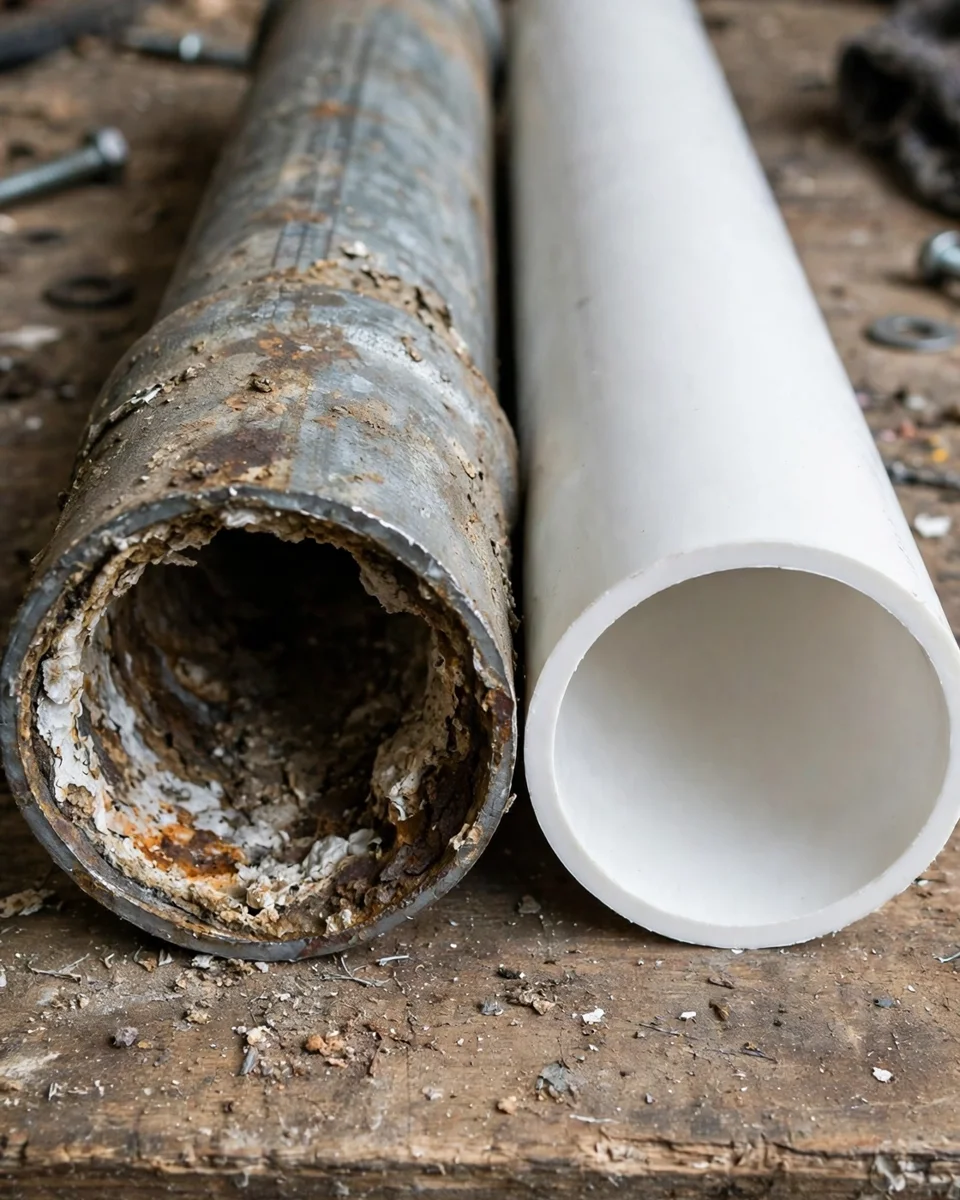
Lead rarely arrives from the treatment plant. It leaches into water on the last stretch of the journey: lead service lines feeding older houses, lead solder in pre-1986 plumbing, and brass fixtures and fittings throughout. The mechanism is contact time — water sitting still in contact with those materials picks up lead, which is why the first draw of the morning is the worst glass of the day and why levels vary house to house on the same street, even tap to tap in the same house. It also explains the regulatory shape: the EPA’s action level (15 parts per billion as a system-wide measure, tightening to 10 under the 2024 Lead and Copper Rule Improvements) governs utilities, while the EPA’s health-based goal for lead in drinking water is zero. Your home’s actual number is a property of your plumbing, not your city’s report.
A fridge filter sits at the very end of that chain, which is the one genuinely convenient thing about this category: a certified cartridge treats the water after it has passed every inch of your home’s plumbing, at the exact point you drink it.
What certification proves
Lead reduction is an NSF/ANSI 53 claim. In the certification test, the cartridge is challenged with water carrying a defined lead load — both dissolved and particulate lead — at a defined pH, and it must bring the output under the standard’s limit across its rated gallon life. A model with “lead” named in its 53 listing has done exactly that, in a laboratory, under audit. A model without it has not been tested to that bar at all: the NSF/ANSI 42 listing that covers most other cartridges certifies aesthetic effects — chlorine taste and odor — and nothing about health contaminants.
Reading a listing takes a minute and settles the question permanently, which is why our guide to NSF 53 certified fridge filters treats the certificate, not the packaging, as the source of truth. The same model-by-model discipline answers the neighboring question about fridge filters and PFAS — where the answer, one GE exception aside, is that the claim is simply not there.
What the science says
Three findings shape sensible behavior. First, stagnation drives exposure: lead levels climb the longer water rests in the pipes, so flushing the cold tap for 30 seconds to two minutes after long stillness — overnight, or after a vacation — meaningfully cuts what reaches the glass, filter or no filter; a certified lab’s first-draw sample, taken after at least six hours of rest, is how you learn your home’s real number. Second, use cold water for drinking and cooking: hot water leaches lead from plumbing faster, which is why the guidance is to heat cold water on the stove rather than draw from the hot tap. Third, and most often gotten backwards: boiling does not remove lead — it concentrates it, as the CDC and EPA both state, because the lead stays behind as water evaporates. A kettle is not a lead filter; it is the opposite of one.
Against that science, a certified 53 cartridge is a rational control point: it addresses dissolved and particulate lead at the dispenser, including the first draw, provided the cartridge is genuine and within its rated life. An exhausted cartridge is not — carbon does not announce when it is done, which is why the six-month schedule matters more for lead than for taste.
Reasonable confidence looks like
- A genuine cartridge whose NSF/ANSI 53 listing names lead — changed on schedule, every time.
- A first-draw lab test showing your home’s actual number, so the decision is based on data, not anxiety.
- Cold-water habits: drink and cook from the cold tap, flush after long stagnation.
False comfort looks like
- Assuming the Samsung DA29-00020B — or any 42-only cartridge — covers lead because it “filters the water.”
- A compatible cartridge whose box art lists lead among a dozen unchecked claims.
- Boiling the water first — verified to concentrate lead, not remove it.
- Stretching a cartridge past its rated life to save money while relying on it for a health claim.
Better options if yours has no lead claim
If your fridge takes a 42-only cartridge — Samsung owners above all — you have three verified routes. The simplest is a dedicated device with a 53 lead claim at the tap you drink from: certain faucet-mount and pitcher models carry the listing (PUR’s faucet line and ZeroWater’s pitchers are the familiar examples on record), at a fraction of a system’s cost. The strongest is reverse osmosis under NSF/ANSI 58, which addresses lead along with a far wider field of contaminants. And the structural option: at your next refrigerator purchase, treat the cartridge’s certification list as a buying spec — a fridge whose genuine cartridge carries 53-with-lead (and, in GE’s case, a PFAS protocol besides) quietly solves this question for its whole service life.
Conclusion
Do refrigerator water filters remove lead? The genuine cartridges in most Frigidaire, Whirlpool-family, GE, and LG fridges do — certified, tested, and listed under NSF/ANSI 53. Samsung’s best-selling cartridge does not, and no compatible cartridge certifies that it does. The question therefore has no category answer, only a model answer, and the model answer is a public document you can check in a minute. Check yours, test your water if your plumbing is old, and never boil water to fix lead — that is the one move the evidence says makes it worse.
Update log
October 2026: Article published. Certification details reflect the listings on record for each genuine model line (NSF and IAPMO databases); boiling guidance per CDC/EPA — boiling concentrates lead rather than removing it.
FAQs
Does the Samsung DA29-00020B remove lead?
No. In the NSF’s database, the genuine DA29-00020B is listed to NSF/ANSI 42 only — chlorine, taste, and odor. It carries no NSF/ANSI 53 certification and no lead claim. Samsung owners who want verified lead reduction need a device with a 53 lead listing at the tap, or another filtration route entirely; the fridge cartridge will not provide it.
Which refrigerator filters are certified for lead?
The widely sold genuine lines with lead in their NSF/ANSI 53 listings include Frigidaire’s WF3CB and ULTRAWF (IAPMO-listed 42/53/401), EveryDrop’s EDR4RXD1, GE’s XWFE, and LG’s LT1000P. In every case it is the genuine cartridge that holds the certification — the compatible equivalents do not certify to 53 at all.
Does boiling water remove lead?
No — the opposite. As the CDC and EPA state, boiling concentrates lead: the lead stays in the pot while pure water leaves as steam, so the remaining water holds more lead per glass than what you started with. Boiling is a bacteria remedy. For lead, the remedies are a certified filter, flushing after stagnation, and cold water for drinking and cooking.
How do I know if my water actually has lead?
Test it — lead is tasteless, odorless, and invisible at the levels that matter. A certified laboratory test of a first-draw sample (drawn after the water has rested at least six hours) shows what your plumbing contributes; some utilities and health departments offer free or subsidized testing, especially for older homes. Risk concentrates in pre-1986 plumbing, lead service lines, and brass fixtures.
My cartridge is certified — am I fully protected?
You have a tested control at one tap, maintained on one condition: the cartridge is genuine and inside its rated life. An NSF/ANSI 53 lead claim is earned across the cartridge’s rated gallons; an exhausted cartridge kept in service past its schedule is no longer the product that was tested. Change it when due, and remember the claim covers the dispenser — not every tap in the house.
Are refrigerator filters enough for a home with a lead service line?
A certified 53 cartridge at the fridge is a legitimate layer — it treats water after the service line, at the point of drinking. But a known lead service line deserves the fuller response: a first-draw lab test to size the problem, certified filtration at drinking taps, flushing habits after stagnation, and the utility’s timeline for line replacement. The fridge cartridge is part of that answer, not the whole of it.