How to Test Water for Lead (2026)
Guide
Lead is the contaminant that punishes casual testing. It has no taste, no smell, no color — and its level in your glass swings wildly depending on how long the water sat in the pipes, which tap you used, and whether anyone showered that morning. A lead test done carelessly can read near zero in a house with a real problem, which is worse than no test at all: it manufactures confidence. Done properly, the same test is cheap, definitive, and tells you not just whether but where the lead is coming from.
The short answer: use a certified lab, and sample the EPA way — cold kitchen tap, first draw, after the water has sat still for at least six hours, with no flushing beforehand. Add a second, flushed sample and the pair separates plumbing lead (yours to fix) from incoming lead (your utility’s). Skip strips for this job entirely; their bands are wider than the action level itself.
Table of Contents
Quick verdict
Order a certified lab lead test — the kits in our lead water test kit roundup report down to about 1 µg/L, which is the resolution this decision needs. Sample first thing in the morning before anyone runs water. If your home was built before 1986, has a lead service line, or has a baby on formula, do not wait for a reason — treat the test as overdue. Everything below is the detail that makes the result trustworthy.
Where lead comes from
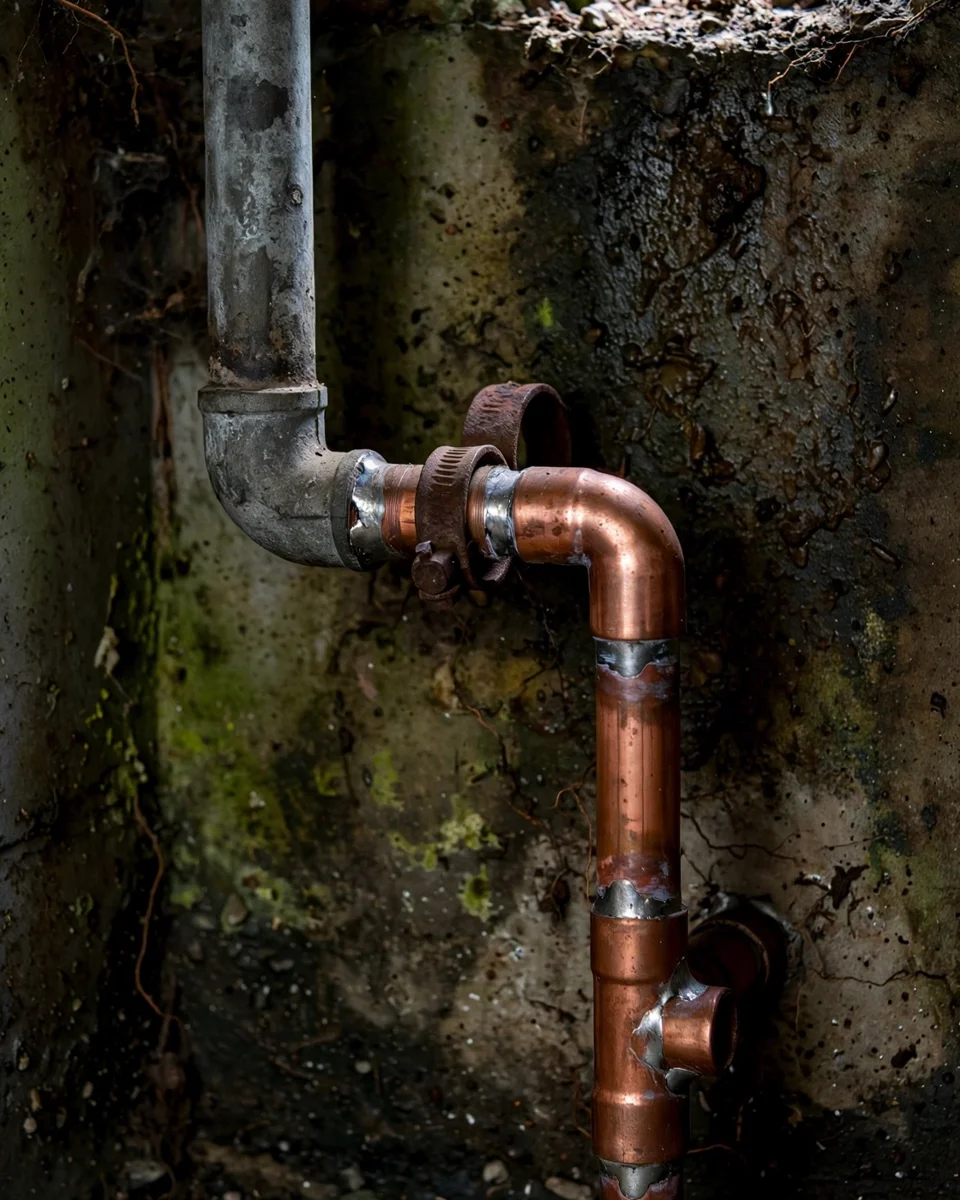
Treated water leaving the plant typically carries almost no lead. It picks lead up on the way in, dissolving it from the materials it touches — most aggressively while it sits still. The three classic sources, in order of impact: the lead service line connecting older homes to the street main (common in pre-1950s housing and some cities far later); lead solder joining copper pipes, standard practice until it was banned in 1986; and brass fixtures and faucets, which contained meaningful lead until US standards tightened in 2014. Two consequences drive the whole testing protocol: levels are highest in water that has rested in contact with those materials for hours, and one tap can test high while another, on newer plumbing, tests clean.
The first-draw protocol (step by step)

- Choose the tap: the cold-water kitchen faucet — the one used for drinking and formula. Not a bathroom tap, not a hose bib, not a filtered fridge line.
- Set the still period: no water use anywhere in the house for at least 6 hours (overnight is easiest). No flushing the toilet, no early shower, no ice maker cycle if you can help it. Do not “pre-flush” the night before — that single mistake invalidates more home lead tests than any lab error.
- First draw: place the lab’s bottle under the tap, open the cold water gently, and fill from the very first water out. Cap immediately. This sample is the worst case, and the worst case is the number that matters.
- Flushed sample (second bottle): let the same tap run 2–3 minutes (or until the water turns noticeably colder — fresh from the street main), then fill bottle two.
- Ship promptly per the kit’s instructions, noting time, tap, and still-hours for each bottle.
Reading the pair is where the method pays off. First draw high, flushed low: the lead lives in your plumbing or fixtures — targeted fixes apply. Both high: the service line or beyond is contributing — your utility needs to hear from you, and service-line replacement programs enter the conversation. Both low: genuinely good news, earned honestly.
Reading your number
The reference points, per EPA and CDC: the federal action level is 15 µg/L (parts per billion), tightening to 10 µg/L under the 2024 Lead and Copper Rule improvements — a trigger for utility action, calculated across many homes, not a personal safety line. The health-based goal (the MCLG) for lead is zero, because no safe exposure level has been found for children. Read your result with both facts in view: under 10 µg/L on an honest first draw is a good result worth re-testing every year or two; anything at or above the action level, or any detectable level in a home with infants and old plumbing, deserves the response steps below and a filter certified for lead in the meantime. Also hold the result loosely in one respect — lead release is particulate and erratic, so a single low draw does not retire the question forever; utilities test repeatedly for exactly this reason.
While you wait — and if it is high

Do
- Run the cold tap until it turns cold before drinking or cooking if water sat for hours — this is the flushing habit the second sample demonstrates.
- Use only cold water for drinking, cooking, and formula; hot water leaches lead faster.
- Clean faucet aerators monthly — they trap lead-bearing particles.
- Filter drinking water with a device certified for lead reduction (NSF/ANSI 53 lead claim, or an RO system) while you address the source.
Never
- Never boil to remove lead. Boiling does not remove it — the water evaporates and the lead stays, ending slightly more concentrated than before. (CDC and EPA both state this plainly.)
- Never cook with hot tap water “to save time” in an older home.
- Never accept a rushed sample — a flushed-only or midday test — as an all-clear.
- Never rely on taste: water at ten times the action level tastes like water.
Why not strips or a meter?
Because of scale, the same wall our test strip accuracy guide keeps hitting: strip lead scales step in increments comparable to the action level itself, so they cannot separate 8 from 14 µg/L — the exact distinction the decision turns on. A TDS meter is worse than useless here: lead at the action level adds about 0.015 ppm to the reading, invisible against the noise — a point our TDS explainer works through. Lead is simply a laboratory measurement: ICP-MS instruments in certified labs resolve it to around 1 µg/L or below, which is the only resolution that respects a 10–15 µg/L decision line. The broader home-vs-lab trade-offs are laid out in our home water test vs lab test comparison.
Conclusion
Testing water for lead is 10% laboratory and 90% sampling discipline: cold kitchen tap, six still hours, the first water out of the tap, no helpful flushing beforehand. That protocol turns a $30 test into a number you can build decisions on — and the paired flushed sample tells you whose plumbing to blame. Do it once, do it properly, repeat every year or two in older homes, and handle a high result with cold water, flushing, aerator cleaning, and a certified filter — never with a kettle.
Update log
October 2026: Guide published; protocol follows EPA first-draw sampling guidance; action level 15 µg/L (10 µg/L under the 2024 Lead and Copper Rule improvements); boiling-concentration warning per CDC/EPA (verified claim C16).
FAQs
How much does a lead water test cost?
Certified lab lead tests typically run about $25–60 per sample as 2026 estimates, with mail-in kits at the convenient end of that range. Some cities and utilities offer free or subsidized lead testing — worth a search of your water utility’s site before paying, especially if your area has known lead service lines.
Can I test for lead with a home strip kit?
You can dip one, but you cannot decide on it. Strip lead scales are too coarse at the 10–15 µg/L decision level to distinguish safe from actionable, and a “negative” strip result has falsely reassured too many households. Treat strips as a prompt to order the lab test, never as the answer.
Does boiling water remove lead?
No — the opposite. Lead does not evaporate; as water boils off, the lead that stays behind becomes slightly more concentrated in what remains. The CDC and EPA both warn against boiling as a lead remedy. Use cold, flushed tap water or a filter certified for lead reduction instead.
What lead level is considered safe?
The EPA’s health-based goal for lead in drinking water is zero — no safe threshold has been established, particularly for children. The regulatory action level (15 µg/L, moving to 10 µg/L under the 2024 rule) is a utility compliance trigger, not a personal safety line. Lower is always better, and any detectable level in a home with infants and pre-1986 plumbing justifies filtration and follow-up.
Why did my two lead tests give different results?
Probably because lead is erratic, not because a lab failed. Levels shift with stagnation time, water use patterns, temperature, and random particle release from old plumbing — a first-draw after a holiday weekend can read several times higher than a weekday sample. This is exactly why the protocol standardizes the still period, and why repeated testing beats any single draw.
Should I test if my home is new?
The risk is much lower — post-1986 solder rules and the 2014 “lead-free” fixture standards removed most sources — but a single inexpensive lab test is still cheap certainty, particularly for the specific fixtures in a new build. Homes built before 1986, or any home on a lead service line, should test as a matter of routine.