ZeroWater 10 Cup Ready-pour Review (2026): Is It Worth It?
★ TOP PICK FOR 0 TDSYou pour a glass of tap water and taste the chlorine. Somewhere you read that your city still has lead service lines — and then you see ZeroWater’s claim plastered across the listing: water with literally zero total dissolved solids. Health breakthrough, or the biggest marketing trick in the pitcher aisle?
Here is the short answer: the ZeroWater 10-cup Ready-pour is the only mainstream pitcher whose filter carries independent certification against lead, chromium, mercury, and PFOA/PFOS — and it really does produce near-zero-TDS water, verifiable with the free TDS meter in the box. But that filtration comes with the highest running cost in the pitcher category: about 15 gallons per filter by the manufacturer’s estimate, exhausting in weeks in hard water. This review covers what the certifications actually cover, what owners say about the spigot and the fast-dying filters, and what a full year costs.
Our scores
Table of Contents
Bottom line
The bottom line: the ZeroWater 10-cup Ready-pour is the right buy if you want the purest-tasting water a pitcher can make — certified 0 TDS output, a meter to prove it, and independent certification against lead, chromium, mercury, and PFOA/PFOS. It is not the right buy in hard or high-TDS water: the manufacturer estimates 15 gallons per cartridge, and replacements make this the priciest pitcher to run in the category.
Verdict: the best-tasting water in a pitcher, at the highest running cost. Buy it for purity; skip it for thrift.
Price checked at time of writing; it changes often — see the live price before you buy.
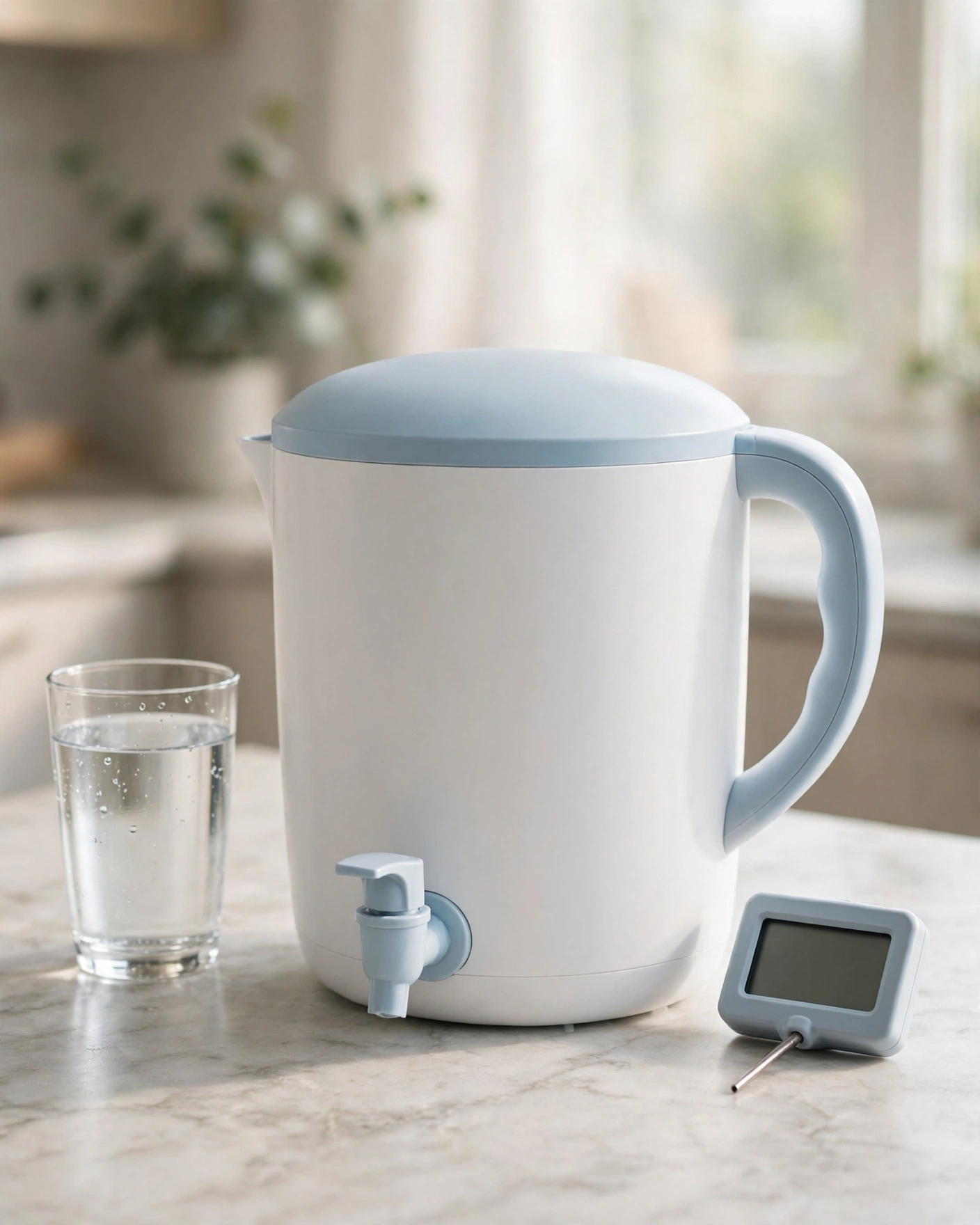
One clarification: this is the 10-cup Ready-pour — the round pitcher with the push spout for dispensing while the reservoir is still filtering, not the tall pitcher you lift and tip. For a bigger household, our ZeroWater 12-cup pitcher review covers the larger sibling with the same 5-stage filter.
Pros and cons
Pros
- Strongest certified contaminant coverage in its class — independently certified to reduce PFOA/PFOS, lead, chromium, and mercury (NSF/ANSI 53) plus chlorine taste and odor (NSF/ANSI 42).
- Genuine 0 TDS output — the 5-stage ion-exchange filter strips virtually all dissolved solids; the included TDS meter lets you verify it yourself.
- Ready-pour spigot — pour one-handed from the filtered body while the reservoir keeps filtering; no lifting and tipping.
- A change-filter cue you can measure — fresh filters read 000; you swap at 006 instead of guessing by calendar.
Cons
- Short filter life — about 15 gallons per filter by the manufacturer’s estimate; owners in high-TDS water report weeks, not months.
- Highest running cost in the category — roughly $11–15 per replacement filter (estimated street prices), and you will buy a lot of them.
- Flat, distilled-like taste — 0 TDS water tastes flat to some people.
- Spigot wear — drip and leak complaints after heavy use, plus mineral crust around the spout over time.
Certifications (database-checked)
This is where most thin roundups play fast and loose, so here is the documented part: the 5-stage filter is listed in the IAPMO R&T public database as certified against NSF/ANSI 53 and NSF/ANSI 42. An independent certification audit that pulled the actual listing reports the 53-side claims as PFOA/PFOS, lead, chromium, and mercury, with chlorine taste-and-odor on the 42 side. No other mainstream pitcher carries an independent PFOA/PFOS certification — that is ZeroWater’s real moat.
| Contaminant | Claimed certification | Source |
|---|---|---|
| PFOA/PFOS | NSF/ANSI 53 (verified via IAPMO R&T listing) | IAPMO R&T database, listing pulled by independent audit |
| Lead | NSF/ANSI 53 (verified via IAPMO R&T listing) | IAPMO R&T database, listing pulled by independent audit |
| Chromium | NSF/ANSI 53 (verified via IAPMO R&T listing) | IAPMO R&T database, listing pulled by independent audit |
| Mercury | NSF/ANSI 53 (verified via IAPMO R&T listing) | IAPMO R&T database, listing pulled by independent audit |
| Chlorine taste and odor | NSF/ANSI 42 (per published spec tables) | Retailer certification listings |
Certification covers only the contaminants in the database entry, and only under the test conditions — fluoride, for example, is not among the certified reductions. And a word the meter cannot tell you: a 0 TDS reading shows the filter is working, but TDS readings alone do not equal water safety — dissolved solids and health risk are different things.
Design and usability
The Ready-pour body is built around one idea: you should not have to wait for the filter cycle to finish before you drink. The push spigot draws from the filtered body, so you pour a glass while the top reservoir is still dripping through — a better rhythm for a busy kitchen than lift-and-tip, especially with kids. The pitcher sits upright in the fridge, and at 11.63 by 5.93 by 11 inches it is tall but narrow enough for a door shelf.
The free TDS meter is the part owners keep mentioning. It turns filter replacement from a calendar guess into a measurement: fresh filters read 000, and ZeroWater’s guidance is to swap when the reading climbs past 006 — a real usability edge in a category where almost every other brand asks you to count months.
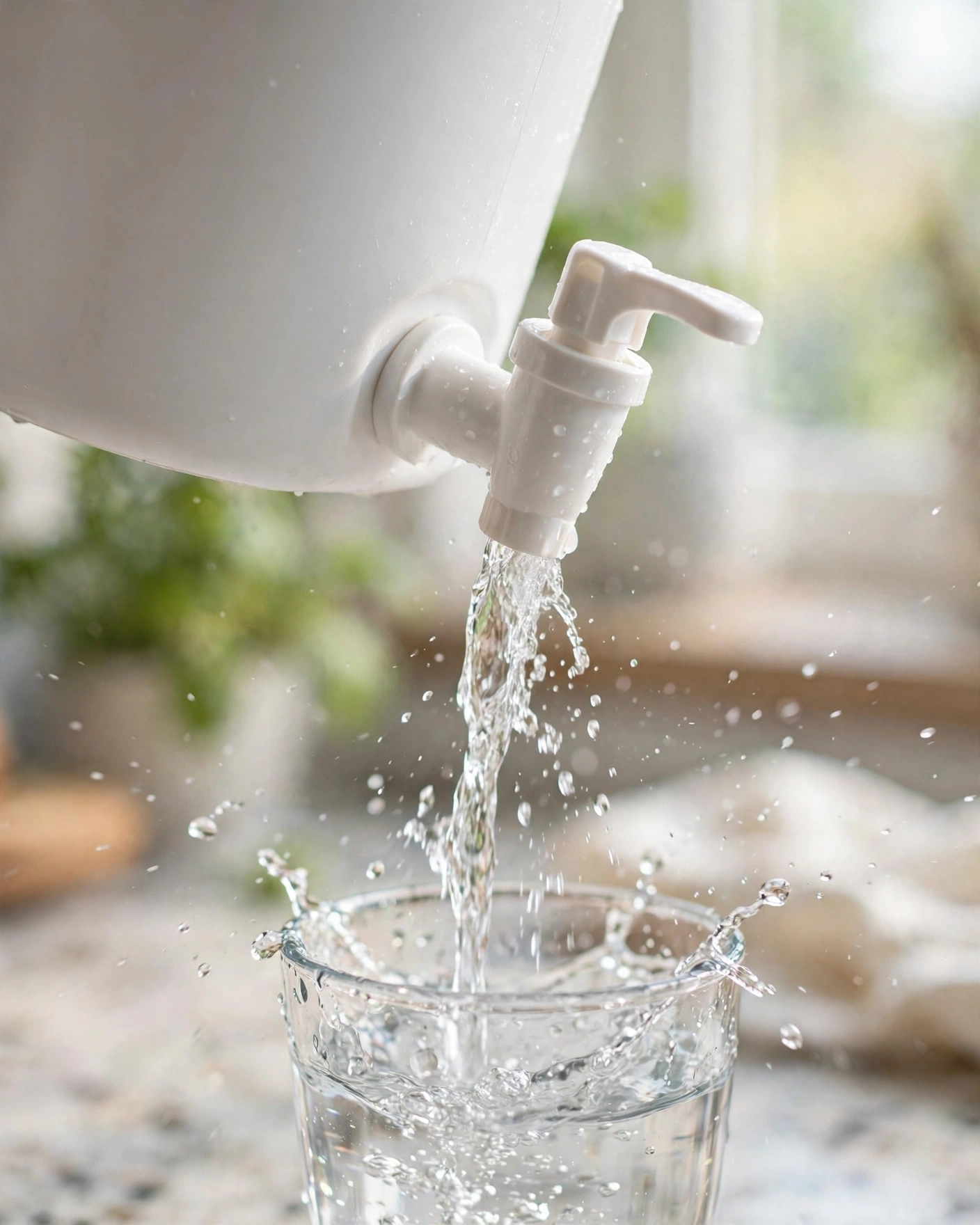
Day to day, 10 cups work for one or two people; a full household refills it more often than they would like. If the spigot concept appeals but you want to avoid ZeroWater’s filter math, the Brita Stream filters in the spout as you pour instead — see our Brita Stream pitcher review.
- Brand
- ZeroWater (Culligan)
- Model
- ZP-010
- Capacity
- 10 cups, round Ready-pour body
- Dimensions
- 11.63 × 5.93 × 11 in (per retailer listings)
- Empty weight
- ~16 oz
- Filter
- 5-stage ion-exchange cartridge (estimated ~15 gal per filter)
- Certifications
- IAPMO certified to NSF/ANSI 53 & 42
- TDS meter
- Included; change filter at 006
Filter cost math
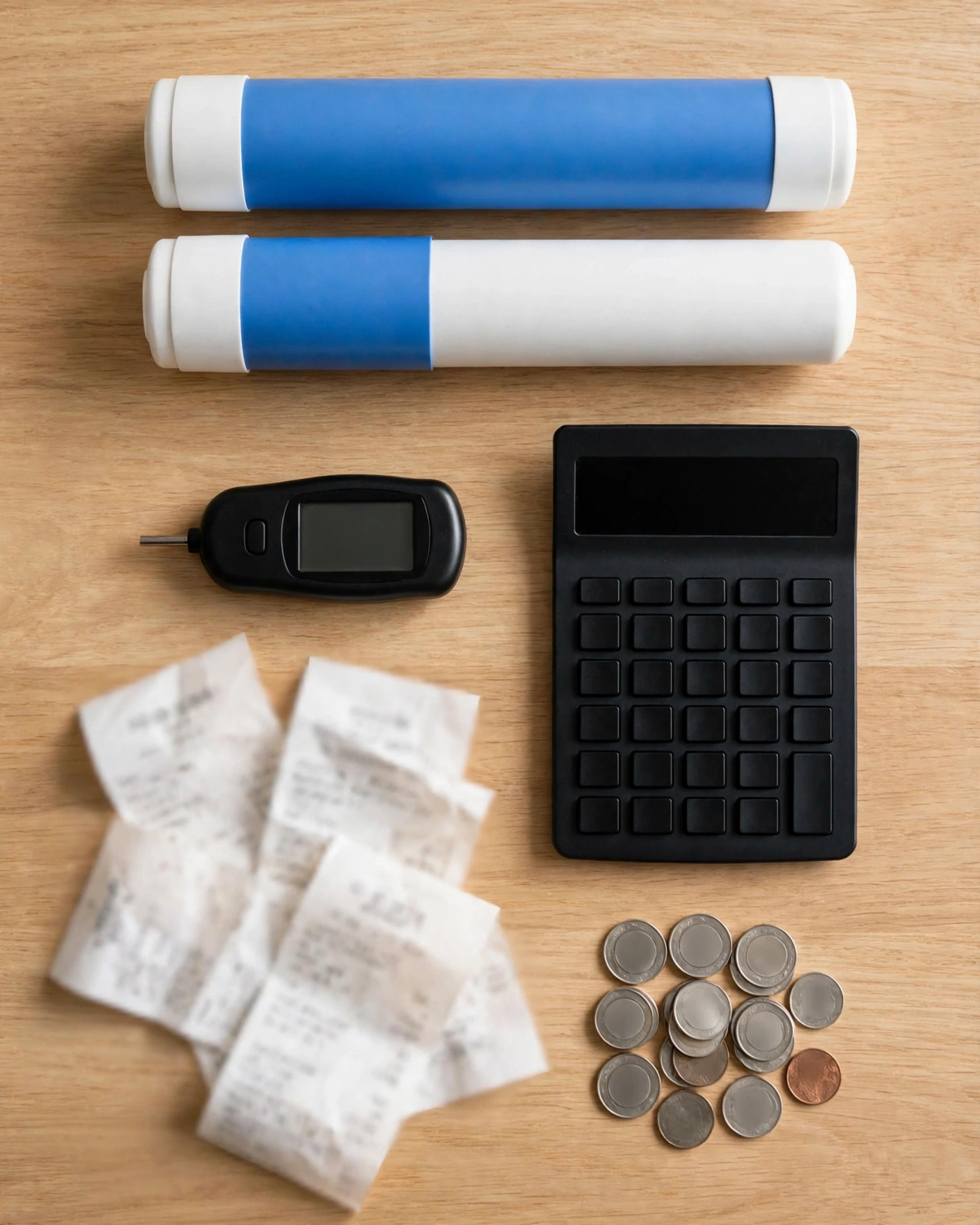
The sticker price is the least important number on this page — about $35–45 at estimated street prices, right in line with every rival. What matters is the running cost:
| ZeroWater Ready-pour | Brita Everyday | Brita Elite | PUR PLUS | |
|---|---|---|---|---|
| Typical pitcher price | ~$35–45 | ~$28–30 | ~$35–41 | ~$38–44 |
| Filter rated life | ~15 gal est. (TDS-meter guided) | 40 gal / ~2 months | 120 gal / ~6 months | 40 gal / ~2 months |
| Replacement filter (each) | ~$11–15 est. | Lower | Higher | Mid-range |
| Estimated yearly filter cost (at ~30 gal/month) | ~$260–360 | Lower | Lower | Lower |
| Certifications (independently listed) | NSF/ANSI 53 & 42 incl. PFOA/PFOS | NSF/ANSI 42 & 53 (narrower) | NSF/ANSI 42 & 53 incl. lead | NSF/ANSI 42 & 53 |
| Best for | Near-zero TDS, certified PFOA/PFOS reduction | Budget taste improvement | Certified lead reduction, long life | Certified filtration, shorter life |
Here is the honest math. At the manufacturer’s 15-gallon-per-filter estimate, a household drinking about 30 gallons a month burns roughly two filters a month — around 24 a year, or about $260–360 a year at ~$11–15 per cartridge (all estimates, re-verify at publish). And that is the optimistic case: in water above 200 ppm TDS, third-party analysis finds real-world life of 15–25 gallons per filter. TechGearLab’s published estimate lands in the same territory: they estimate $240–$960 a year depending on usage, for households running 40–160 gallons a month. No other mainstream pitcher costs anything like this to run — the tradeoff you are buying is purity, not savings. Our Brita Elite pitcher review works out the same math for the longest-life rival: two Elite filters a year versus two dozen.
What owners complain about
Filters die fast in hard water. This is the dominant complaint theme across the whole ZeroWater lineup. Ion-exchange resin exhausts in direct proportion to your water’s dissolved solids: at high TDS, owners report cartridges lasting two to four weeks, and third-party analysis pegs real-world life at 15–25 gallons in water above 200 ppm. There is no trick around this — it is the physics of the filter type. When the resin is spent, owners report a sour taste and a meter that suddenly reads high instead of 000: that is the cartridge telling you it is done.
Replacement cost. The second-most common complaint follows from the first: at roughly $11–15 per cartridge, a heavy-use year costs more than any other mainstream pitcher’s.
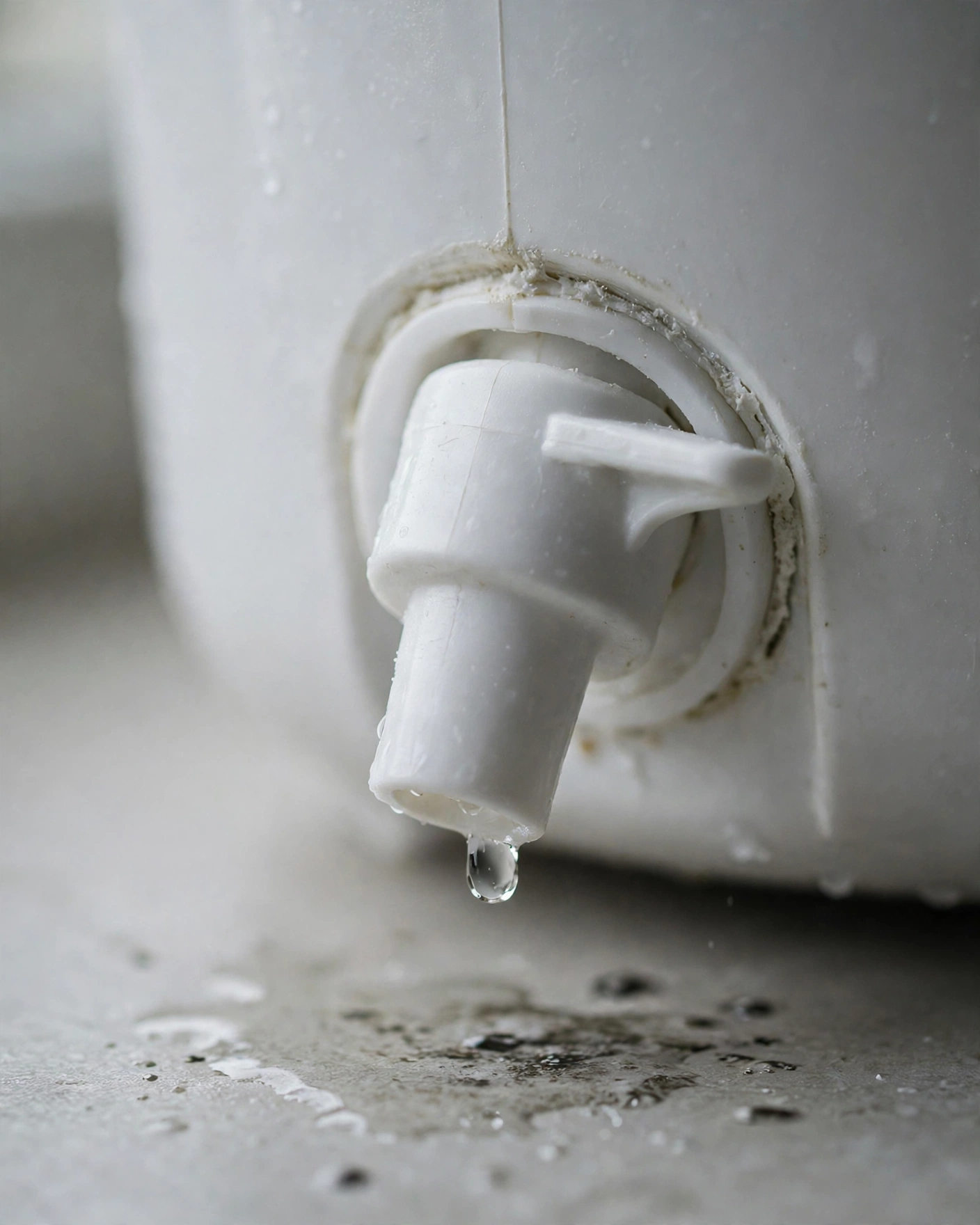
Spigot drips and leaks. A persistent minority of owners report the spigot starting to drip or leak after heavy use — a wear point on the O-ring and seal. Related: mineral crust and film building up around the spout over the course of a year, which needs a regular wipe-down.
None of these are hidden — they are the price of the filtration approach. For a pitcher with longer filter life and fewer cost complaints, the reservoir-style Brita Grand is the conventional alternative — see our Brita Grand pitcher review.
Who should buy it
Buy it if
- You want 0 TDS water from a pitcher and like verifying it — the included meter turns the claim into a measurement.
- Certified PFOA/PFOS and lead reduction matter to you — no other mainstream pitcher carries an independent PFOA/PFOS certification.
- You like the spigot routine — pour one-handed while the reservoir keeps filtering, no lifting and tipping.
- Your tap water is low in dissolved solids (under ~150 ppm) — filters last a reasonable time and the running cost stays sane.
Skip it if
- Your water is hard or high-TDS — the filter math turns brutal, and you will be swapping cartridges constantly.
- You only want better-tasting water — a basic carbon pitcher handles chlorine taste for a fraction of the running cost.
- You hate swapping filters — this pitcher asks more of you than any rival in the aisle.
- You love mineral water’s taste — 0 TDS water will taste flat and wrong to you.
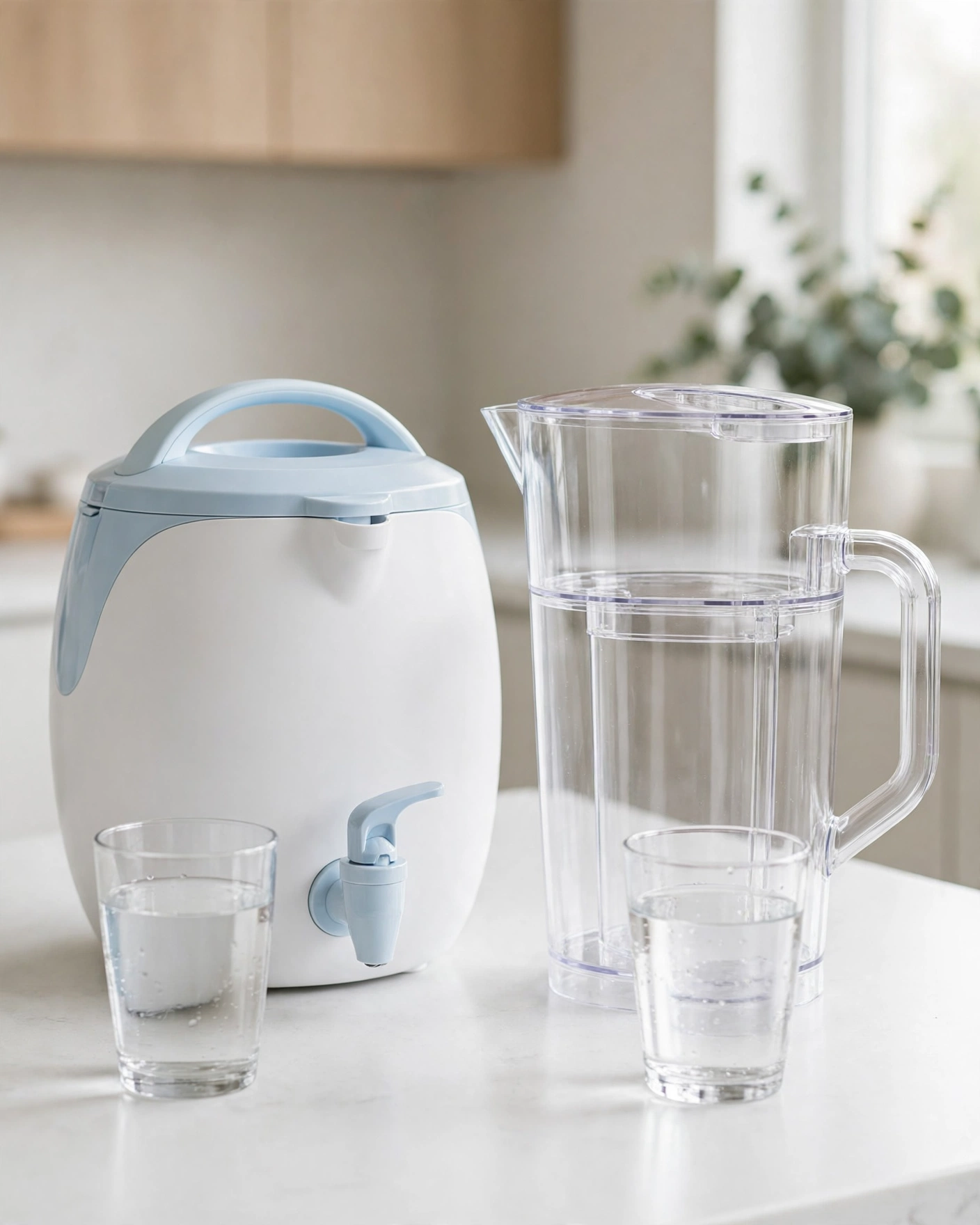
If all you want is better-tasting water without the subscription-grade running cost, a basic carbon pitcher is the budget play — see our Brita Everyday pitcher review. ZeroWater is the answer when purity, not price, is the priority.
FAQs
How long does a ZeroWater filter really last?
The manufacturer estimates about 15 gallons per filter — but life is driven by your water’s dissolved solids, so it moves a lot. In soft, low-TDS water you can beat the estimate; above 200 ppm, third-party analysis finds real-world life of 15–25 gallons, which can mean a new cartridge every few weeks for a heavy-use household. The practical rule is the TDS meter in the box: fresh filters read 000, and ZeroWater’s guidance is to swap when the reading climbs past 006.
Does the ZeroWater 10-cup Ready-pour remove lead?
Lead reduction is one of the filter’s independently listed certifications: the ZeroWater 5-stage filter is listed in the IAPMO R&T public database as certified against NSF/ANSI 53, and an independent certification audit that pulled the actual listing reports lead among the 53-side claims, alongside chromium, mercury, and PFOA/PFOS. Certification means the filter reduced lead under standardized test conditions — it does not guarantee performance against every plumbing scenario, so a water test is still the smart first step if lead is your main concern.
What is the difference between the Ready-pour and a standard ZeroWater pitcher?
The filter is the same — both use the 5-stage cartridge, so the water comes out the same. What changes is the routine: the Ready-pour is a round pitcher with a push spigot that draws from the filtered body, so you can pour a glass while the top reservoir is still filtering, one-handed and without lifting the pitcher. A standard pour-through pitcher needs the full filter cycle to finish before you tip and pour. The Ready-pour also sits upright in the fridge.
Is 0 TDS water safe to drink every day?
0 TDS water is fine for most people as drinking water — it is essentially demineralized, similar in profile to distilled water. What matters is that a TDS reading is not a safety reading: it tells you the filter is stripping dissolved solids, not that every health risk is handled. Some people find the taste flat, and if you want minerals in your water you can add remineralizing drops. If you have a medical condition that makes dietary minerals a concern, ask your clinician before switching to demineralized water as your only source.
Why does my water taste sour or read high on the TDS meter all of a sudden?
That is the spent-filter signal, not a broken pitcher. When the ion-exchange resin exhausts, it can release a sour or acidic taste and the meter will climb from 000 instead of staying low. It happens fast in hard water — which is why ZeroWater’s guidance is to swap the cartridge when the meter reads past 006 rather than on a schedule. Put in a fresh filter and the reading should drop back to 000 immediately.
Is the ZeroWater Ready-pour pitcher dishwasher safe?
Hand-wash the pitcher and lid with mild soap — heat can warp the body and damage the spigot seal, which is where drip complaints start. Never put the filter cartridge in the dishwasher: heat ruins the resin. Rinse the new cartridge briefly and discard the first two or three filtered pitchers before first use, per the setup instructions.
Does the ZeroWater filter remove fluoride?
Fluoride is not among the filter’s independently certified reductions — the complete list is in the Certifications section above (PFOA/PFOS, lead, chromium, mercury under NSF/ANSI 53; chlorine taste and odor under NSF/ANSI 42). The 5-stage system strips virtually all dissolved solids, but if certified fluoride reduction is your goal, you will need a product with that specific claim in its database listing.
How often should I change the filter if my tap water is hard?
More often than you expect — possibly every few weeks. The 15-gallon manufacturer estimate assumes average water; at high TDS, real-world life drops to 15–25 gallons, so a household using a gallon a day on 200+ ppm water can exhaust a cartridge in two to three weeks. Let the meter be your schedule: check it regularly and swap at 006. Hard water is the single factor that makes ZeroWater expensive, so measure your tap TDS before you commit.
Conclusion
The ZeroWater 10-cup Ready-pour is the pitcher for one specific buyer: the person who wants the purest water a pitcher can make, verified with a meter, backed by independent certification against PFOA/PFOS, lead, chromium, and mercury. But the price is real and ongoing — short filter life and the highest running cost in the category, especially in hard water. Measure your tap TDS first. If it is low, this is the best-tasting glass a pitcher can pour. If it is high, know the subscription you are signing up for.
Price checked at time of writing; it changes often — see the live price before you buy.
Update log
- Zulqarnain: Review published.