
Fridge Water Filter Leaking? How to Find and Fix It (2026)
Guide
Water pooling in front of the fridge, a drip inside the compartment, or a wet crisper drawer — filter-area leaks feel alarming, but they are almost always small, findable, and fixed with your hands. The trick is not to start by replacing parts: it is to find where the first drop appears, because a fridge “filter leak” has about six possible sources and five of them cost nothing to fix.
Start here: shut off the water at the valve behind the fridge if the leak is more than a slow drip, dry everything, then watch where water first reappears. The large majority of filter-area leaks trace to one seal — a cartridge not fully seated, or an O-ring that is pinched, doubled, or left behind in the housing from the old cartridge. This guide walks the localization test, then the fix for each source.
Table of Contents
Step 1: stop the water and localize the leak
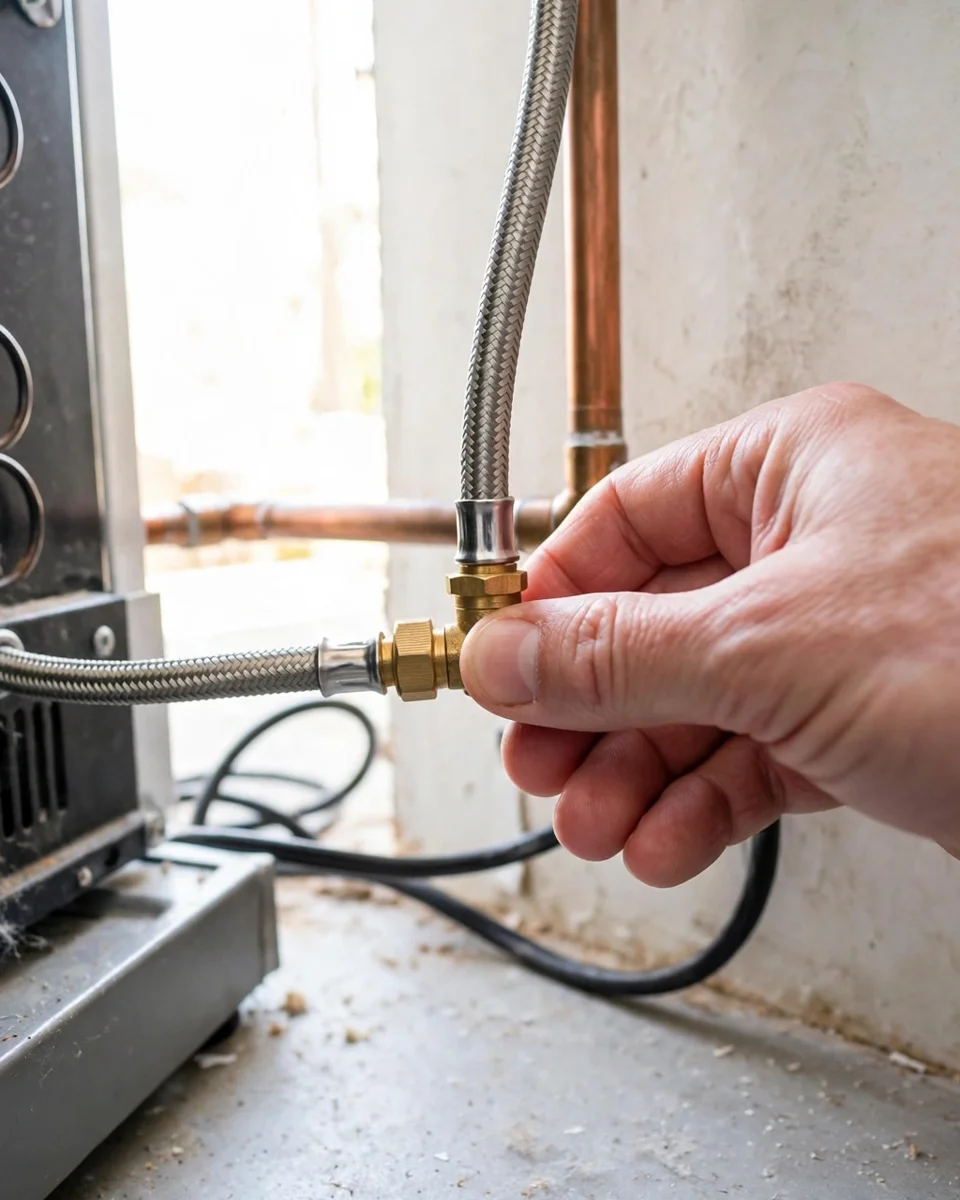
Close the shutoff valve on the fridge’s water line (behind the appliance, or under the sink where the line taps in) — for a drip this is precaution, for a spray it is the whole game. Mop up, then dry the filter housing, the compartment floor and every visible line connection with paper towels. Turn the water back on and do not dispense yet: watch for five minutes. Note where the first bead of water forms — at the cartridge seam, at a line fitting, at the dispenser, or somewhere with no connection to the filter at all. Then dispense a glass and watch again: some leaks only weep under flow pressure.

The paper-towel test sharpens the answer: hold a dry white paper towel under the housing seam, then around each fitting in turn. A white towel shows a single drop unmistakably, and the sequence matters — test from the highest point downward, because water runs down and lies about its origin.
Cause 1: the cartridge is not fully seated
The champion cause — especially right after a filter change. A quarter-turn stopped short, or a push-fit that never clicked, leaves the cartridge’s seals partially engaged: fine at rest, weeping under pressure. The fix costs nothing: remove the cartridge completely and reinstall it with deliberate firmness until the turn hard-stops or the click lands (the same reseat that tops our slow-flow fix list — a half-seat starves flow and leaks for the same reason). Dry the area, restore water, and run the dispenser for 30 seconds while watching the seam.
Cause 2: O-ring trouble

With the cartridge out, inspect its O-rings — the black rubber rings at the neck — by fingertip and eye:
- Doubled rings: the old cartridge’s O-ring stayed stuck inside the housing and the new cartridge stacked its own on top. Two rings seal worse than one. Fish the stray ring out.
- Pinched or rolled: a ring twisted out of its groove during a hurried install. Reseat it in the groove all the way around.
- Nicked or flattened: damage from a dry, forced install or age. A damaged ring means a replacement cartridge (rings are rarely sold separately for fridge cartridges) — and install the next one with the O-rings wetted, which lets them slide home instead of tearing.
While the cartridge is out, also check the housing’s sealing surface for grit or a stray fragment of the old ring, and wipe it clean.
Cause 3: wrong cartridge, or a cracked housing
A look-alike cartridge with slightly different neck dimensions — the LT700P in an LT1000P housing class of mistake, or an anonymous compatible molded a millimeter off — may seat “well enough” yet never seal under pressure. Compare the new cartridge against the old one neck to neck; if the old one is gone, verify the part number against our replacement walkthrough. The housing itself is the sterner diagnosis: hairline cracks in the filter head (often from years of overtightening or a frozen line event) weep from the plastic itself rather than the seam. Water appearing on the housing body, with a verified cartridge and good rings, is the signature. A filter head is a replaceable part — moderately priced, moderately fiddly — and it is the point where many owners reasonably hand over to a technician.
Cause 4: the leak is not the filter at all
- Line fittings: push-fit and compression connections at the back of the fridge and at the wall valve weep after the fridge is moved. A quarter-turn snug on a compression nut, or re-seating a push-fit tube (push in, tug test), usually answers.
- The dispenser itself: a drip from the dispenser nozzle after use is usually residual line pressure or a worn dispenser valve, not the filter — the towel test at the housing stays dry while the nozzle drips.
- Defrost drain and ice maker: water appearing under the crisper drawers or in the freezer can come from a clogged defrost drain or an ice-maker fill issue. If the filter area is bone dry through a full dispense cycle, redirect the investigation there.
When to call a professional
Call when: the leak is inside the wall or at a corroded valve you cannot fully close; the filter head is cracked; water has reached the fridge’s electrical areas; or a verified-good cartridge, clean rings and dry fittings still leave water appearing from inside the cabinet. Everything short of that list is a hands-and-towels job. And a general safety note that outranks all troubleshooting: a leak you cannot stop at the fridge valve should be stopped at the house’s main shutoff, and standing water near an appliance’s power cord means unplugging first and diagnosing second.
Conclusion
Filter leaks are a localization problem wearing a plumbing costume. Shut the water, dry everything, and let the first drop tell you where to work: reseat the cartridge, sort the O-rings (doubled, pinched or nicked), verify the part number, and only then suspect the housing or the lines. Most kitchens are dry again within the hour, with the original cartridge still in service.
Update log
October 2026: Guide published; diagnostic sequence follows standard appliance troubleshooting practice for filter-head, line and dispenser leaks.
FAQs
Why is my fridge leaking right after I changed the filter?
Post-change timing points at the install: the cartridge is not fully seated, or its O-ring was pinched, rolled or doubled (the old ring stuck in the housing). Remove the cartridge, check the rings and the housing’s sealing surface, reinstall firmly until the turn stops or the click lands, and watch the seam while dispensing.
Is a leaking fridge filter dangerous?
The water itself is just tap water, but volume and electricity are the concerns: an unnoticed line-pressure leak can damage floors and cabinets surprisingly fast, and water should never reach the appliance’s electrical components. Shut the water valve first, unplug if water is near the cord, and diagnose dry.
Can a cheap compatible filter cause a leak?
Yes, mechanically: the seal depends on neck dimensions and O-ring quality held to tight tolerances, and anonymous compatibles are where those tolerances slip. If a leak began with an off-brand cartridge, test with the old cartridge or a verified one before condemning the housing — our replacement guides flag the fit-sensitive models.
How do I find exactly where the leak is coming from?
Dry everything completely, restore the water, and watch without dispensing for five minutes — then dispense and watch again. Use a dry white paper towel from the highest point downward: the housing seam, then each fitting, then the dispenser. The first wet spot, checked high-to-low (water runs down and misleads), is the source.
Water is pooling under the crisper drawers, not at the filter. Related?
Probably not the filter — confirm with the towel test at the housing during a full dispense cycle. Pooling under the drawers more often traces to a clogged defrost drain (water from defrost cycles backing up) or an ice-maker issue. If the filter area stays dry, investigate the drain path instead.
Should I replace the filter head if it is cracked?
A cracked head cannot be sealed with tape, sealant or optimism — it is a pressurized part and replacement is the fix. The part itself is moderately priced; the labor involves the water lines at the back of the housing. Confident DIYers do it with the water off and towels down; everyone else is at the reasonable hand-off point.