How to Flush a New Refrigerator Water Filter (2026)
Guide
The filter is in, the light is reset, and the first glass comes out milky, sputtering, with a faint dusty taste — at which point many people conclude the new cartridge is bad. It is not. It is unflushed. A new carbon cartridge holds loose fines and a lungful of air, and the only way out for both is through your dispenser, in quantity. Skipping the flush is the single most common new-filter mistake.
The short answer: flush 2–4 gallons through the dispenser after every filter change (your brand’s figure wins: some Samsung manuals say up to 5 gallons, LG specifies about 2.5), dispensed in short on-off cycles rather than one long run, and dump the first batch of ice. This guide explains what the flush removes, the exact technique, and how to tell when you are genuinely done.
Table of Contents
What the flush actually removes
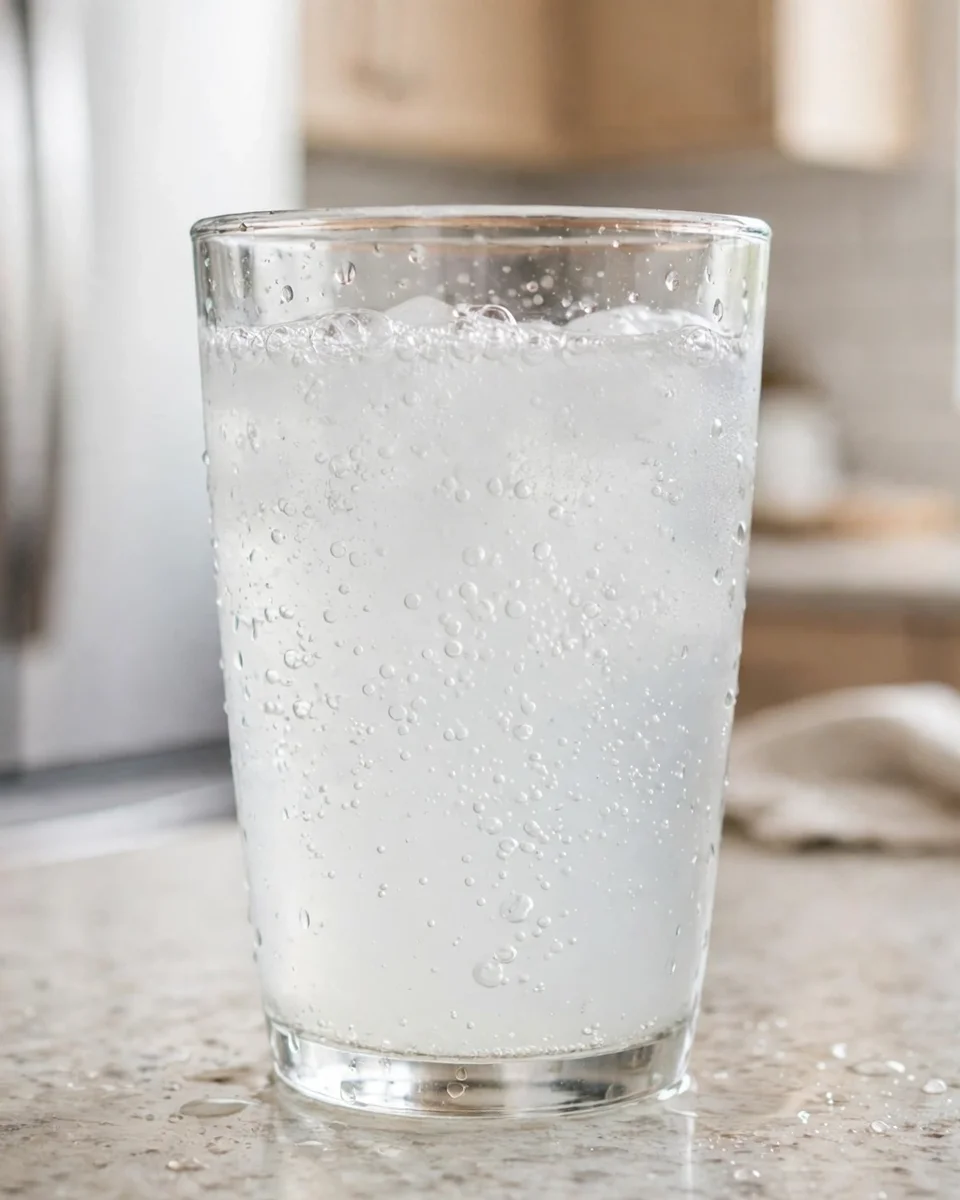
Three things ride out of a new cartridge. Carbon fines — the activated carbon block or granules inside shed microscopic black dust in manufacturing and shipping; the first water carries it out as a gray tint or fine dark specks. The fines are food-grade carbon and not a health hazard, but nobody wants to drink them. Air — a dry cartridge is mostly air by volume; displaced air causes the sputtering, the milky micro-bubble cloudiness, and the “slow flow” panic covered in our slow-flow fix guide. Manufacturing residue taste — the flat, dusty, slightly sweet off-note of a brand-new cartridge rinses away in the first gallon or two. None of these mean the cartridge is defective; all three mean it has not been flushed.
How much water, by brand
| Brand | Typical flush guidance |
|---|---|
| General default | 2–4 gallons through the dispenser |
| Samsung | Up to ~5 gallons in several manuals (“run water until it clears”, cycling the dispenser) |
| LG | ~2.5 gallons |
| GE | ~2 gallons / run until clear (about 4 minutes of dispensing in cycles) |
| Whirlpool family (EveryDrop) | ~4 gallons, dispensed in segments, per the cartridge instructions |
Measure with the jug, not by vibes: a gallon at a typical 0.5-gpm filtered flow takes about two minutes of actual dispensing — which is precisely why so many flushes get cut short at two glasses. Our companion flush walkthrough inside the Refrigerator Filters series covers model-specific reservoir quirks.
The flush, step by step

- Use a big container. A gallon jug or stockpot under the dispenser, so you are measuring gallons rather than guessing with glasses.
- Dispense in cycles. About 30 seconds on, 30 seconds off. Continuous dispensing can overheat or pause some dispenser systems, and cycling lets the reservoir refill so air migrates out instead of aerating the whole tank at once.
- Watch the water, not just the count. Early cycles sputter and run cloudy; by the target volume the stream should be steady and the water visibly clear in a white or clear container.
- Dump the first ice. The ice maker draws from the same flushed line but freezes whatever was in its small feed first — throw away the first full batch of cubes (some brands say the first two).
- Taste the last glass. Clean and neutral is done. Still dusty at the target volume? Flush another gallon — sediment-heavy homes and long fridge plumbing runs take more.

How you know you are done
Three signs together: the stream runs steady without sputtering, a glass of water sits clear (hold it against white — lingering milkiness that vanishes from the bottom up is just micro-bubbles and clears within a minute or two), and the taste is neutral. If cloudiness persists well past the brand’s gallon figure and the cartridge is properly seated (the reseat check in our full replacement walkthrough), something else is going on — most likely air still trapped in a long line, which a further gallon in cycles resolves. Note that flushing never wastes the old cartridge’s leftovers into your glass: the water goes to the drain, a plant, or the kettle for washing water — it does not have to be drunk to count.
Conclusion
Flushing is not a ritual; it is the second half of installing the filter. Two to four gallons (your manual’s number first), in 30-second cycles, plus one dumped batch of ice, turns a sputtering, dusty first glass into the clean water you bought the cartridge for. Do it at every change — and when a “bad new filter” complaint surfaces in your kitchen, ask the flushing question before the defective question.
Update log
October 2026: Guide published with flush volumes cross-checked against Samsung, LG, GE and Whirlpool owner documentation.
FAQs
How many gallons should I flush a new fridge filter?
Two to four gallons is the working range, with your brand’s manual taking precedence: LG specifies about 2.5 gallons, GE around 2, Whirlpool’s EveryDrop instructions about 4, and several Samsung manuals up to 5. Dispense in short cycles and confirm with the water itself — steady stream, clear glass, neutral taste.
Is it safe to drink the water if I skipped flushing?
The cloudiness and specks are air bubbles and food-grade carbon fines — unpleasant, not a recognized health hazard — but the water will taste dusty and may carry the cartridge’s manufacturing residue notes. There is no reason to drink it: flush now, late is fine, and the cartridge does not care that the flush came second.
Why does the water look milky even after flushing?
Usually micro-bubbles: tiny air bubbles make water look white and clear from the bottom up within a minute of standing — harmless and temporary for a day or so after a change. True persistent cloudiness past the full flush volume, especially with a sputtering stream, suggests air still in the line (flush another gallon in cycles) or a cartridge that is not fully seated.
What are the black specks in the first glasses?
Carbon fines — loose particles from the activated carbon media that every new cartridge sheds until it is rinsed through. They are the main visual reason the flush exists. If specks keep appearing weeks into a cartridge’s life, that is different: it can signal a damaged cartridge or one being run far past its rating.
Do I need to throw away ice after changing the filter?
Yes — the first full batch. The ice maker froze water that sat in the line during the change, carrying the first fines with it. Dump that batch (and a second if the cubes look gray), and subsequent ice is made from fully flushed water.
Can I flush by running the tap instead of the dispenser?
No. Fridge cartridges filter only the fridge’s own line — dispenser and ice maker. A kitchen faucet is on a different branch and flushing it does nothing for the filter. If your fridge has an ice maker but no dispenser, flush through the ice maker instead: dump two to three full batches of ice.