Whole-House Water Filter Pressure Drop (2026): Causes & Fixes

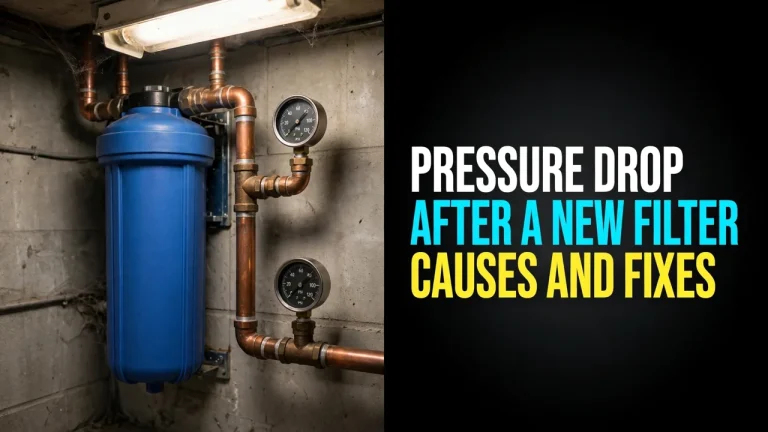
A healthy whole-house filter costs only a few psi. A drop over 10–15 psi in normal use points to a clogged cartridge, a too-fine micron rating or small housing.

Step-by-step water filtration guides — how systems work, maintenance, sizing, and honest explainers from The Durable Picks.
 ByZulqarnain
A healthy whole-house filter costs only a few psi. A drop over 10–15 psi in normal use points to a clogged cartridge, a too-fine micron rating or small housing.
 ByZulqarnain
Wash both stainless chambers about once a month, clean or replace the spigot parts on the same day, and touch the filter elements only when flow drops.
 ByZulqarnain
Test first, in almost every case: start free with your utility’s report, screen the tuning numbers at home, and pay for a lab only when the result picks the filter.
 ByZulqarnain
Order a PFAS panel from a certified lab (mail-in kits count — the analysis is the same), follow the kit’s contamination rules to the letter.
 ByZulqarnain
Use a certified lab, and sample the EPA way — cold kitchen tap, first draw, after the water has sat still for at least six hours, with no flushing beforehand.
 ByZulqarnain
Send a sample to a certified lab every year for total coliform bacteria, nitrates, total dissolved solids, and pH — the EPA’s core four for private wells.
 ByZulqarnain
TDS — total dissolved solids — is the combined weight of everything dissolved in your water, measured in parts per million.
 ByZulqarnain
For chlorine, pH, hardness, and spotting big changes, strips are accurate enough and genuinely useful.
 ByZulqarnain
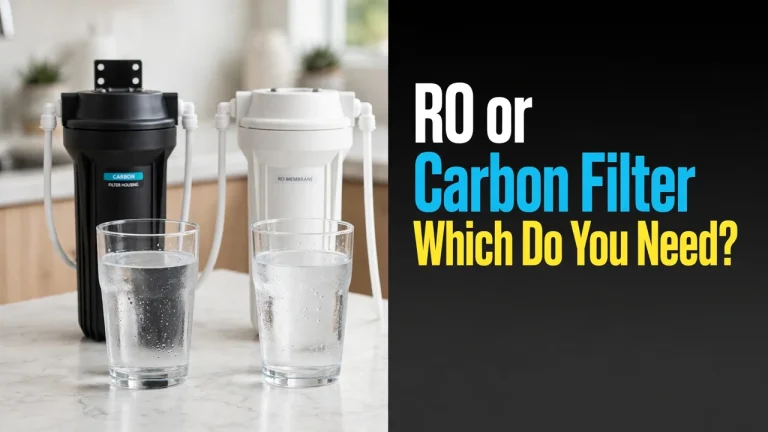
A carbon filter is enough when your water is safe but tastes or smells off — chlorine, mild chemical notes, sediment.
 ByZulqarnain
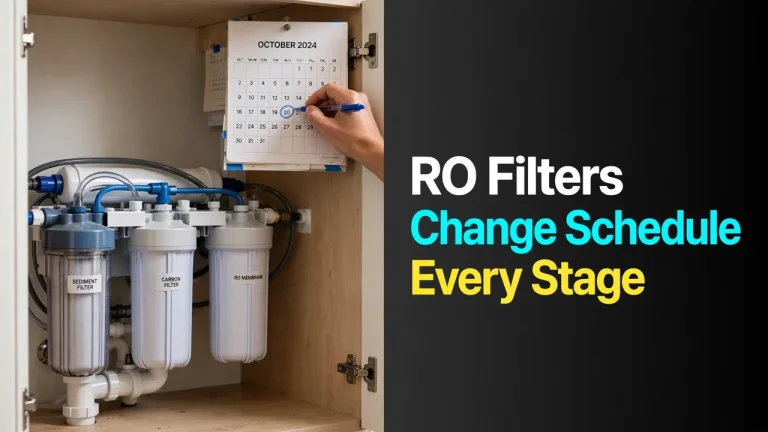
An RO system is not one filter on one schedule — it is four or five stages aging at completely different rates.
End of content
End of content