Best Water Test Kits (2026)
★ BEST WATER TEST KITS 2026“Test your water” sounds simple until you see the shelf: $15 strips that promise 16 answers in a minute, $35 DIY kits with vials and color wheels, and $200 mail-in boxes that ship your tap water to a certified laboratory. They are not three prices for the same product — they are three levels of certainty, and buying the wrong level wastes either money or peace of mind.
Here is the short answer: Tap Score (by SimpleLab) is the best water test kit for most people who genuinely need answers — mail-in samples analyzed with certified lab methods for 100+ contaminants, with reports a human can read. Safe Home’s DIY kits are the best same-day option, and 16-in-1 test strips are the best screening tool — pennies per test for routine monitoring, never for verdicts. The rule that organizes this whole page: strips screen, DIY kits estimate, labs decide. Match the kit to the decision the result will drive, and you will never overpay or under-test again. Well owners have their own ranking in our well water test kit roundup.
Tap Score Advanced City Water Test — our scores
Table of Contents
Quick picks
The bottom line: Tap Score when a decision rides on the result (a home purchase, a baby’s formula water, a health worry); Safe Home DIY when you want a broad same-weekend checkup; strips when you are monitoring something you already understand.
Verdict: buy certainty in proportion to the decision. Screening is cheap; verdicts cost lab money — and are worth it exactly when the answer changes what you do next.
Top 3 quick picks
- Best overall — Tap Score Advanced City (~$165–200). Certified-lab analysis, 100+ contaminants, plain-English report with health context.
- Best same-day — Safe Home DIY kits (~$30–50). Vial-and-reagent tests for bacteria, lead, pesticides and more, at home.
- Best budget/screening — 16-in-1 strips (~$15–25 per 100). A minute and pennies per check on the basics.
How we researched
We did not run a testing lab of our own, so this guide will not pretend we did. What we did instead: compared each kit type on the criteria that decide usefulness — analytical method (certified lab vs reagent DIY vs strip), contaminant menu, detection limits where published, report quality, turnaround and price — using the makers’ published specifications and method documentation, EPA testing guidance, and long-term user reports. Where a claim rests on a brand’s own documentation, the text says so. Prices are October 2026 street estimates.
Best overall: Tap Score (SimpleLab)
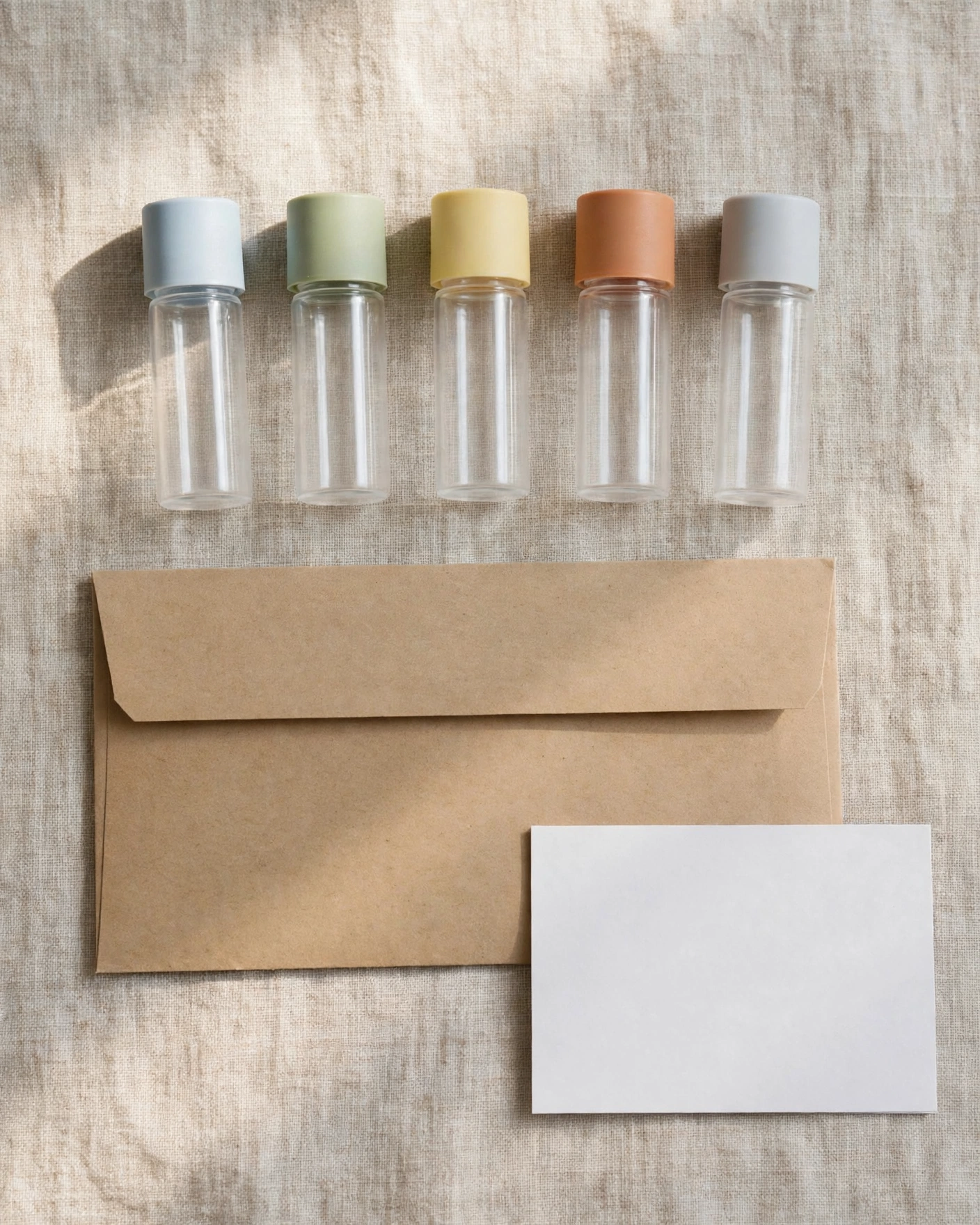
Tap Score industrialized the mail-in lab test: order a package (City, Well, or targeted panels), fill the provided bottles at your tap, ship them back, and receive a report built from certified laboratory methods — the same analytical family utilities use — covering metals, minerals, bacteria indicators, disinfection byproducts and more, 100+ analytes on the broad panels. The report is the product: results are benchmarked against EPA and health guidelines with explanations written for non-chemists, and support staff will walk you through it.
The costs are money and time: roughly $165–200 for the Advanced City panel (specialist panels like PFAS cost more — see our PFAS roundup), and results take days to a couple of weeks depending on the panel. For a once-a-year or once-a-home checkup that informs real spending — a filtration system, a plumbing decision — that is the correct price of an answer you can trust. Our home test vs lab test comparison puts this format head-to-head with DIY.
Pros
- Certified-lab methods — numbers, not color guesses, with detection limits.
- Broadest contaminant menu available to consumers, incl. specialist panels.
- Reports written for humans, with health benchmarks and support.
Cons
- $165+ per round and days-to-weeks of waiting.
- Overkill for routine monitoring — that is what strips are for.
Price checked at time of writing; it changes often — see the live price before you buy.
Best budget: 16-in-1 test strips
A bottle of 100 strips (SJ Wave and JNW Direct are the familiar names) costs $15–25 and tests the greatest hits — pH, hardness, chlorine, alkalinity, nitrates, and (on the better sets) lead-adjacent indicators — in about a minute per dip. Used honestly, strips are excellent: checking whether a softener still works, watching a well across seasons, verifying a filter change did something. Used dishonestly — as proof your water is “safe” — they are theater: color bands are wide, metals readings are crude, and several headline parameters are estimates at best. Buy them as a dashboard, not a diagnosis, and confirm anything alarming with a lab test (the strips-versus-lab fight is its own comparison).
Pros
- Pennies per test, answers in a minute — perfect for monitoring.
- Wide basic menu in a single dip.
Cons
- Screening-grade accuracy only — never a basis for health decisions.
- Strips expire and fade; storage matters.
Price checked at time of writing; it changes often — see the live price before you buy.
Best for specific needs
Three more kits, each best at one job.
Best same-day DIY: Safe Home test kits
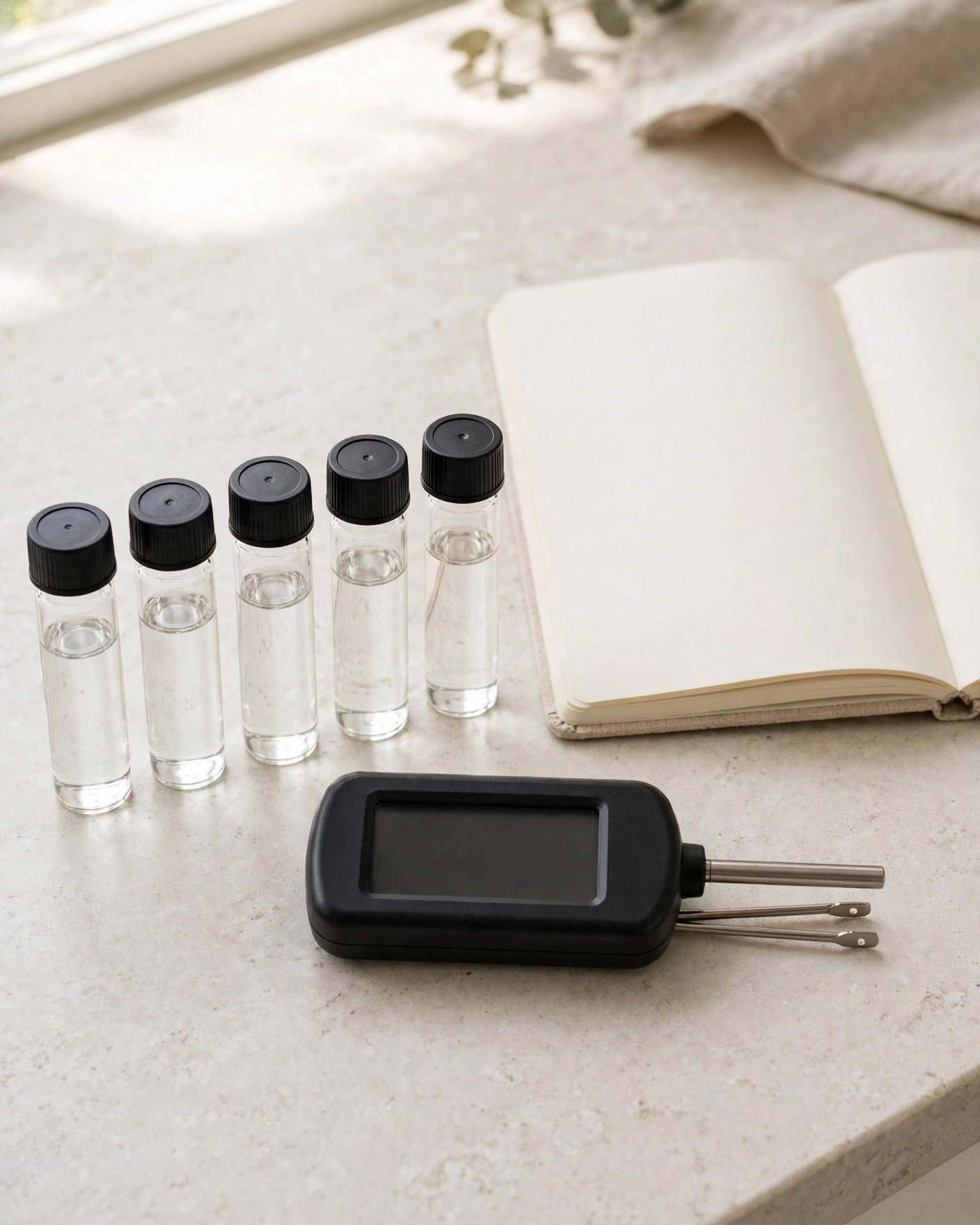
Safe Home built its line on liquid-reagent and vial tests (bacteria, lead, pesticides, nitrates and more) that are more deliberate than strips — measured drops, timed reactions, clearer thresholds — at $30–50 for multi-test kits, with results the same day. The brand also sells mail-in lab upgrades, which is the honest architecture: screen at home, escalate to the lab when a vial says worry. For a new home’s first weekend checkup on a budget, this is the sweet spot.
Pros
- Same-day, broad menu, more rigorous than strips.
- Mail-in escalation path within the same brand.
Cons
- Still DIY-grade precision — confirm positives at a lab.
Best for bacteria spot-checks: Watersafe kits
Watersafe’s kits (city and well variants, ~$25–40) center on the test homeowners ask about most — a bacteria presence test with a simple incubate-and-read format — bundled with lead, nitrate, pesticide and hardness checks. For a well or a home after plumbing work, it is a sensible first pass before deciding whether a full lab culture is warranted.
Pros
- Bacteria-forward design with a broad supporting menu.
- City and well versions matched to source.
Cons
- Presence/absence, not counts — a lab culture quantifies; this flags.
Also consider: Varify complete kits
Varify’s 17-in-1 style kits combine strips with a bacteria vial at strip-kit money — a reasonable starter bundle for renters who want one box that gestures at everything. Treat it as the screening tier it is, and it earns its shelf space.
Head-to-head comparison
| Kit | Type | Best for | Turnaround | Price |
|---|---|---|---|---|
| Tap Score Advanced | Mail-in lab | Decisions & full checkups | ~5–10 days | ~$165–200 |
| Safe Home DIY | Reagent/vial DIY | Same-day broad checkup | Same day | ~$30–50 |
| Watersafe | DIY (bacteria-forward) | Bacteria spot-checks | ~2 days (incubation) | ~$25–40 |
| 16-in-1 strips | Strips | Routine monitoring | 1 minute | ~$15–25 / 100 |
| Varify 17-in-1 | Strips + bacteria vial | Renter starter kits | Minutes–2 days | ~$25–35 |
Buying guide

Name the decision first. “Is my water safe for the baby?” is a lab question. “Did the softener fix the hardness?” is a strip question. “New house, no idea what’s in this water?” is a lab-panel question followed by strip monitoring. Check the contaminant menu against your risk: old plumbing → lead (lab); agricultural area → nitrates (lab for the number); private well → bacteria + nitrates annually (see the well roundup); PFAS headlines near you → the specialist PFAS panel, because no DIY kit credibly tests PFAS at regulatory levels. Sample correctly: follow the kit’s flush/stagnation instructions exactly — a badly drawn sample invalidates even a perfect lab.
Replacement cost math
Testing is a rhythm, not a purchase. Sensible budgets by household:
- City water, no concerns: one lab panel every few years (~$165) + a $20 bottle of strips for the intervals → ~$25/year averaged.
- Well owners: annual bacteria + nitrate discipline → lab well panel ~$200–265/year, or DIY bacteria checks with periodic lab confirmation → ~$60–265/year.
- Concern-driven (lead/PFAS): one specialist lab panel (~$60–300) + confirmation after any fix → budget ~$150–350 in the year you investigate, then back to routine.
FAQs
What is the most accurate home water test kit?
Mail-in laboratory kits — Tap Score is the best-known — are the most accurate option available to homeowners, because your sample is analyzed with certified lab methods and instruments rather than color comparisons. DIY kits and strips are useful screening tools, but their results are estimates in wide bands. When a decision (health, a home purchase, a filtration investment) rides on the number, the lab format is the accurate one.
Are home water test strips reliable?
Reliable for screening and monitoring — unreliable for verdicts. Strips give fast, cheap, approximate readings for parameters like pH, hardness, chlorine and nitrates, which makes them great for tracking change over time. Their color bands are too wide, and their metals readings too crude, to base health decisions on. Treat a worrying strip result as a trigger for a lab test, not as an answer.
How often should I test my water?
City water: a broad lab panel every few years, or sooner if taste, odor, plumbing work or local news changes the picture. Private wells: at least annually for coliform bacteria and nitrates (the standing EPA/CDC guidance for well owners), plus a broad panel every few years and after floods, repairs or taste changes. Between formal tests, strips make cheap monitoring.
Can a home test kit detect PFAS or lead accurately?
Lead: DIY kits can flag elevated lead, but decisions — especially with children in the home — deserve a lab number; mail-in lead tests are the accurate route. PFAS: no credible DIY strip or vial test exists at regulatory levels (parts per trillion); PFAS testing is mail-in laboratory work only. Our dedicated lead and PFAS roundups cover the right kits for each.
Do I need a test kit if my city publishes a water quality report?
The report covers water leaving the treatment plant — not what your home’s plumbing adds. Lead and copper typically enter from household pipes and fixtures, and taste or sediment issues are local too. A consumer confidence report plus an occasional in-home test (lab panel for decisions, strips for monitoring) covers both ends of the pipe.
What should I test for in a new home?
Start broad: a mail-in lab panel covering metals (including lead and copper), bacteria indicators, nitrates, hardness and disinfection byproducts gives you a baseline in one round. Add targeted panels for your situation — well water packages for private wells, PFAS if your area has known contamination, lead-focused sampling (first-draw) in pre-1986 homes. Then monitor the findings with strips.
Conclusion
The best water test kit is the one matched to the decision in front of you. Tap Score’s mail-in lab earns the top spot because most people searching this page actually need an answer, not an estimate — and its reports turn results into next steps. Around that anchor, build the habit cheaply: Safe Home for same-day checkups, strips for the months between. Screen widely, verify with the lab, and never let a $15 strip make a $1,000 decision — or a $200 lab make a $15 one.
Price checked at time of writing; it changes often — see the live price before you buy.
Update log
- Zulqarnain: Review published.