
Waterdrop G3P800 vs X12 (2026): Which Should You Buy?
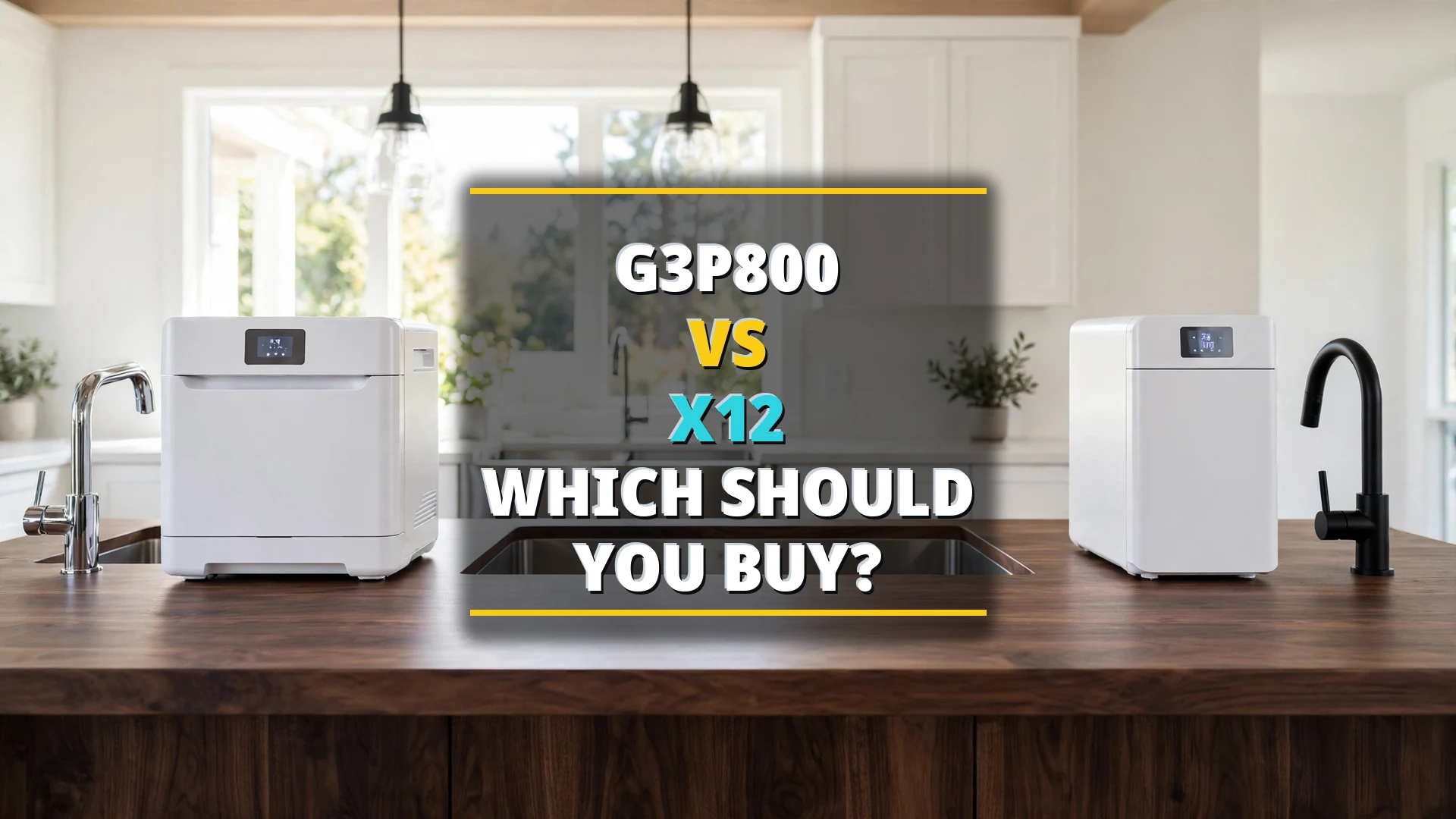
Two finalists: the Waterdrop G3P800 and the Waterdrop X12 — both tankless reverse osmosis systems that live under your sink, and both cost enough that you want to get this right. On paper they look like siblings: smart faucet, 3:1 pure-to-drain ratio, twist-and-lock filters. But they were built for different buyers: the G3P800 leads with proven filtration and a UV sterilizer, while the X12 leads with speed and taste.
The X12 is the better pick for busy households that burn through a lot of water — 1,200 gallons a day versus 800, plus alkaline remineralization that owners say tastes smoother. The G3P800 is the smarter buy for value — independent lab data behind its filtration, a UV sterilizer, and a lower price.
The lab-backed value pick
Waterdrop G3P800
~$700–850
Independent lab data — 94.8% TDS rejection — plus a built-in UVC-LED sterilizer and a street price roughly $280 lower.
The high-flow taste pick
Waterdrop X12
~$900–1,040
1,200 GPD — 50% more capacity — with alkaline remineralization owners say tastes smoother, and a 2-year warranty.
The bottom line: these two systems answer different questions. The X12 answers “how do I get the most great-tasting water for a busy household?” — 50% more capacity, better taste, and a 2-year warranty. The G3P800 answers “how do I get proven filtration for less money?” — independent lab data, a built-in UV sterilizer, and a street price roughly $280 lower.
Verdict: big household or taste-first buyer — X12. Value buyer — G3P800.
Prices change often — see the live price before you buy.
Table of Contents
Side-by-side comparison
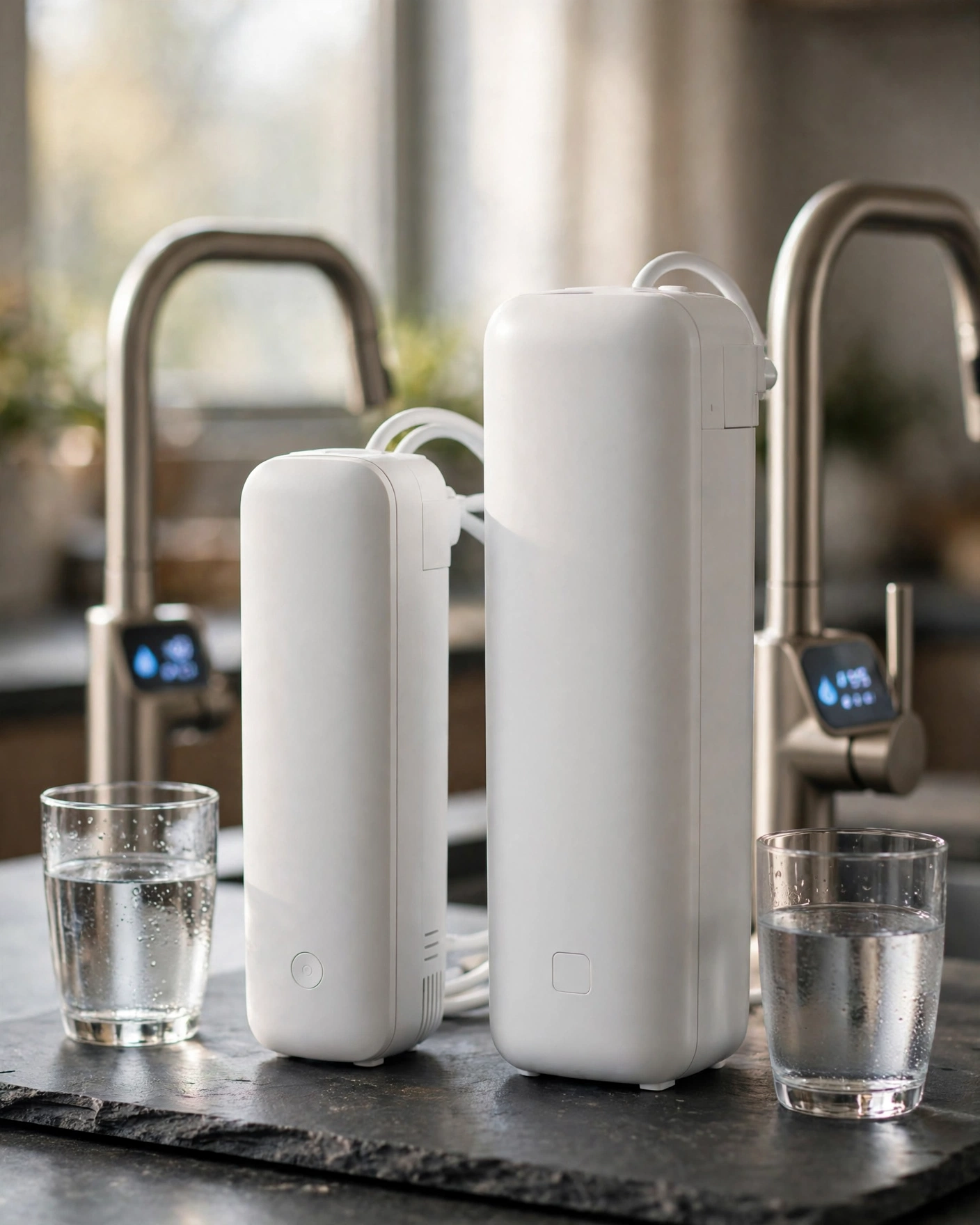
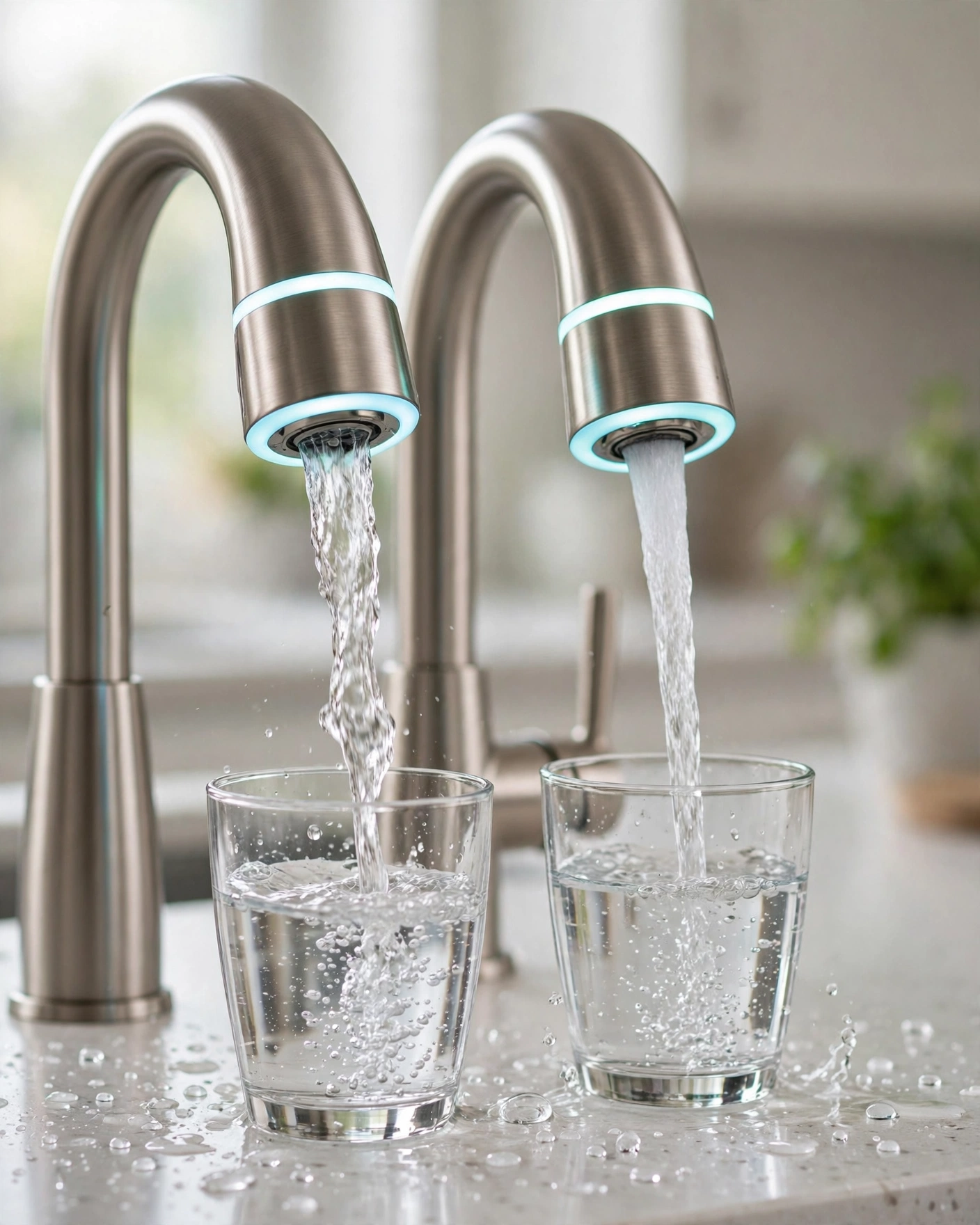
| Spec | Waterdrop G3P800 | Waterdrop X12 ★ Winner |
|---|---|---|
| Typical street price (estimate) | ~$700–850 (list $999) | ~$900–1,040 (list $1,299) |
| Flow rate | 800 GPD | 1,200 GPD |
| Filtration stages | 10, incl. UVC-LED sterilizer | 11, incl. alkaline remineralization |
| UV sterilization | Yes | No |
| Alkaline remineralization | No | Yes — calcium & magnesium, ~pH 7.5 |
| Pure-to-drain ratio | 3:1 | 3:1 |
| Faucet | Smart display: TDS + filter life | Digital control: TDS + filter life + preset volumes |
| Filter life | CF 6 mo / CB 12 mo / RO 24 mo | F2 6 mo / F1A 12 mo / X12-F3 24 mo |
| Est. yearly filter cost | ~$160–220 | ~$170 |
| Warranty | 1 year | 2 years |
| Size / weight | 18.1 × 5.7 × 17.7 in, 32.4 lb | 18.2 × 6.3 × 16.7 in, 38.9 lb |
| Certifications | Brand-stated: IAPMO R&T / NSF 42/53/58/372 | Brand-stated: NSF 42/58/372 — unverified |
| Best for | Value + lab-backed filtration | High demand + taste |
Waterdrop G3P800 — the lab-backed value pick
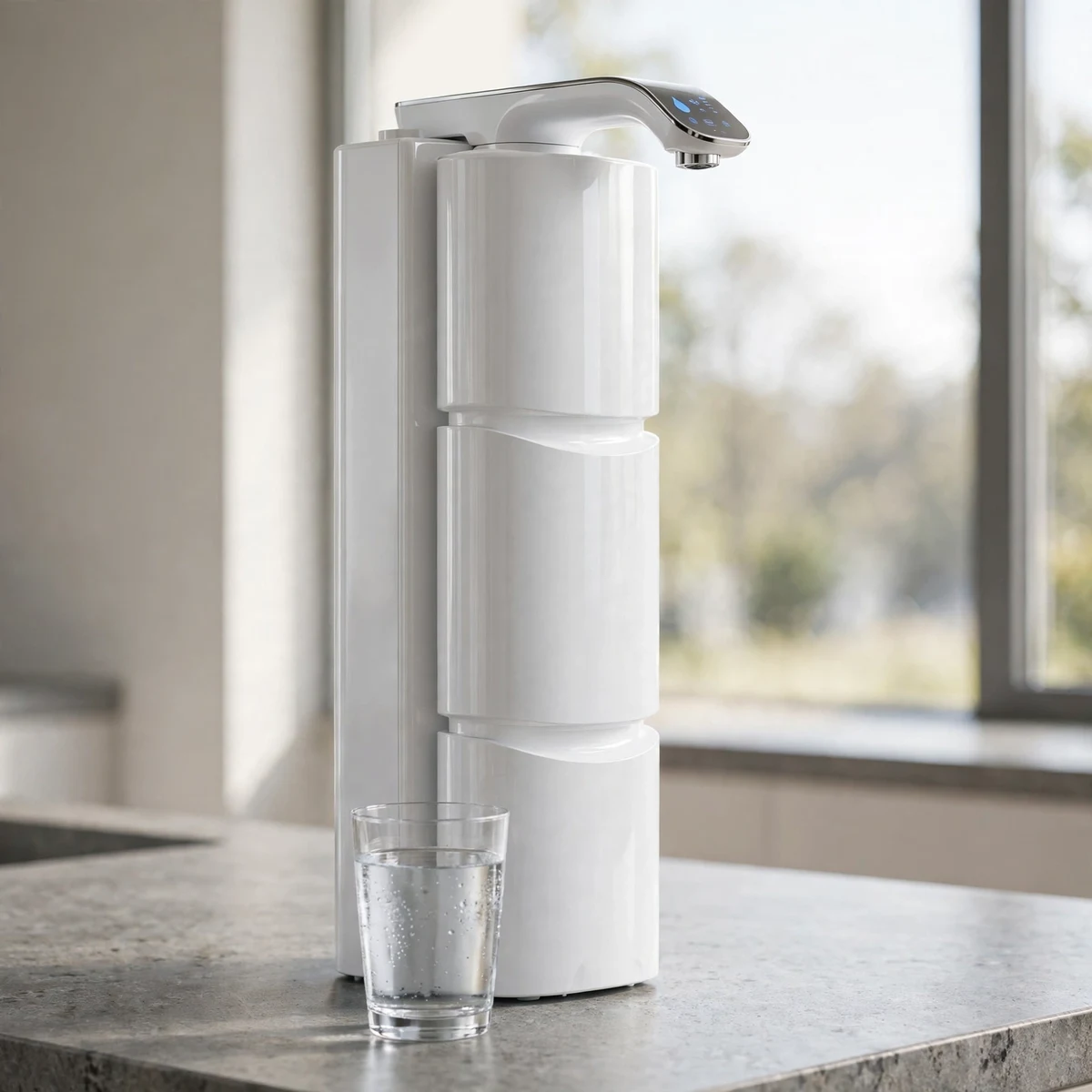
The G3P800 is Waterdrop’s 800-GPD tankless workhorse: 10 stages (sediment and carbon pre-filters, RO membrane, carbon block) plus a UVC-LED sterilizer Waterdrop says helps kill bacteria and viruses as water flows. The smart faucet shows TDS and filter-life readouts, and the 3:1 pure-to-drain ratio delivers three cups of clean water per cup to the drain. Independent lab data backs it up — Water Filter Guru measured 94.8% TDS rejection at 46.2 dB of noise.
Street price is around $700–850 against a $999 list price — estimates that move with sales, so check the live price. Weighing it against its smaller sibling? Our Waterdrop G3P600 vs G3P800 comparison covers whether the 800 is worth the jump.
Pros
- Independent lab data: 94.8% TDS rejection (Water Filter Guru)
- Built-in UVC-LED sterilizer for extra microbial protection
- Efficient 3:1 pure-to-drain ratio
- Smart faucet with TDS and filter-life readouts
- Lower upfront price and yearly filter cost
Cons
- 800 GPD — the slower of the two by a wide margin
- RO-only water can taste flat; some owners add a remineralization filter
- 1-year warranty versus 2 years on the X12
Waterdrop X12 — the high-flow taste pick
The X12 is Waterdrop’s flagship: 1,200 GPD through 11 stages, ending with an alkaline remineralization stage that adds calcium and magnesium back and targets a pH of about 7.5. It keeps the 3:1 pure-to-drain ratio and upgrades the faucet to a digital control unit with TDS and filter-life monitoring plus preset water volumes.
The headline difference is flow — Waterdrop says it fills a 150 ml cup in about 3 seconds. The other difference is taste: owners consistently describe the remineralized water as smooth and rounder than the flat taste of plain RO water, with several saying their coffee got noticeably better. Still deciding between tank and tankless? Our tank vs tankless RO breakdown lays out the trade-offs.
Pros
- 1,200 GPD — 50% more daily capacity than the G3P800
- Alkaline remineralization: owners say the water tastes noticeably better
- Digital faucet with preset water volumes
- 2-year warranty
Cons
- Roughly $280+ more than the G3P800 at street prices
- Certification claims not independently verified (see below)
- Very forceful flow — owners say to fill glasses carefully
Price checked at time of writing; it changes often — see the live price before you buy.
Certifications

This is where honesty matters more than marketing. Waterdrop states the G3P800 is certified by IAPMO R&T to NSF/ANSI 42, 53, 58 and 372 — a claim PopSci’s review independently repeats.
The lab data is even better. Water Filter Guru’s independent testing measured 94.8% TDS rejection at 46.2 dB of noise, and QualityWaterLab’s Tap Score testing separately found the G3P800 eliminating trihalomethanes and all 14 tested PFAS compounds, and cutting salts by 85%. Those are third-party results, not brand claims.
For the X12, the picture is thinner. Waterdrop lists NSF/ANSI 42, 58 and 372 on its product page, and a retail listing describes it as tested and certified by IAPMO R&T. But we could not independently verify X12 listings in the NSF database — so we are not stating certification as fact. Before you buy on the strength of a certification claim, look the model up yourself at info.nsf.org.
Certification covers only the contaminants named in the listing, under the lab’s test conditions. See our best reverse osmosis systems roundup for how certifications compare across systems.
Cost per year
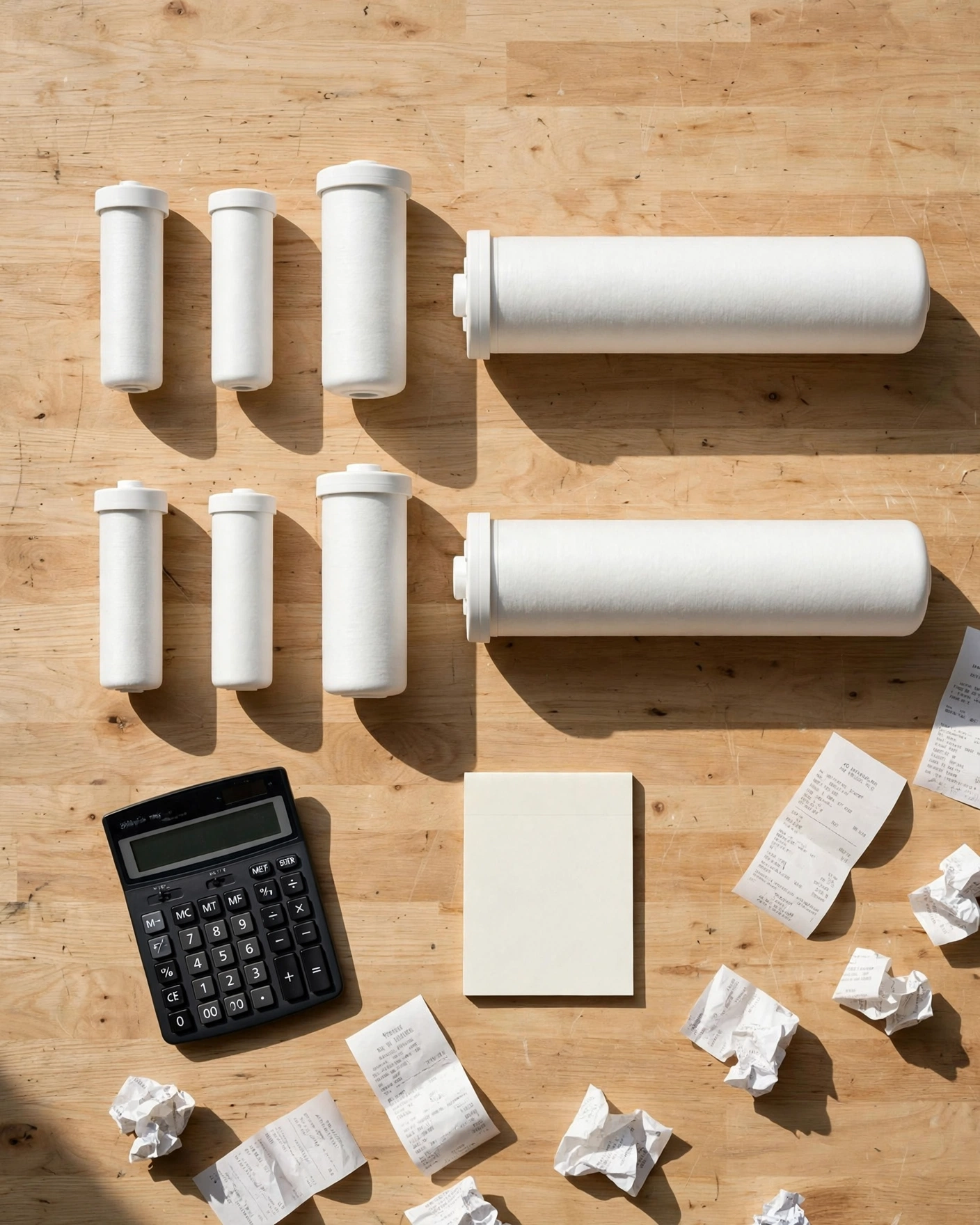
The system price is a one-time sting; the filters are a subscription. Both use three twist-and-lock cartridges on 6-, 12- and 24-month cycles:
| Cartridge | G3P800 | X12 |
|---|---|---|
| Pre-filter (6-month life) | ~$41 × 2 = ~$82/yr | ~$30 × 2 = ~$60/yr |
| Carbon / mineral (12-month life) | ~$41 × 1 = ~$41/yr | ~$33 × 1 = ~$33/yr |
| RO membrane (24-month life) | ~$191 ÷ 2 = ~$96/yr | ~$160 ÷ 2 = ~$80/yr |
| Estimated yearly total | ~$160–220 | ~$170 |
Two takeaways. First, the running costs are closer than the price tags suggest: about $160 a year for the G3P800 (Waterdrop’s own figure) versus about $170 for the X12 (independent reviewers). Second, the X12 is the cheaper system to feed over time, which narrows the upfront gap year by year. Over 5 years the G3P800 still wins on total cost — but the X12 closes the gap every year. All figures are estimates; filter prices move, and hard water shortens filter life. We dig deeper into RO running costs in our RO system yearly cost guide.
Owner voices
What owners love. Fast, great-tasting water, easy twist-and-lock filter changes, and installs that take under an hour. X12 owners rave about taste — “smooth and rounder” comes up repeatedly, and several say their coffee improved. G3P800 owners praise the quiet pump and the smart faucet’s filter-life countdown.
Noise. A few G3P800 owners call the pump “a little loud,” though most describe a low hum that stops when you stop drawing water — lab testing measured 46.2 dB, about a quiet conversation.
Taste. Some G3P800 owners in hard-water areas found the RO-only water flat and added a remineralization filter — the exact problem the X12 solves out of the box.
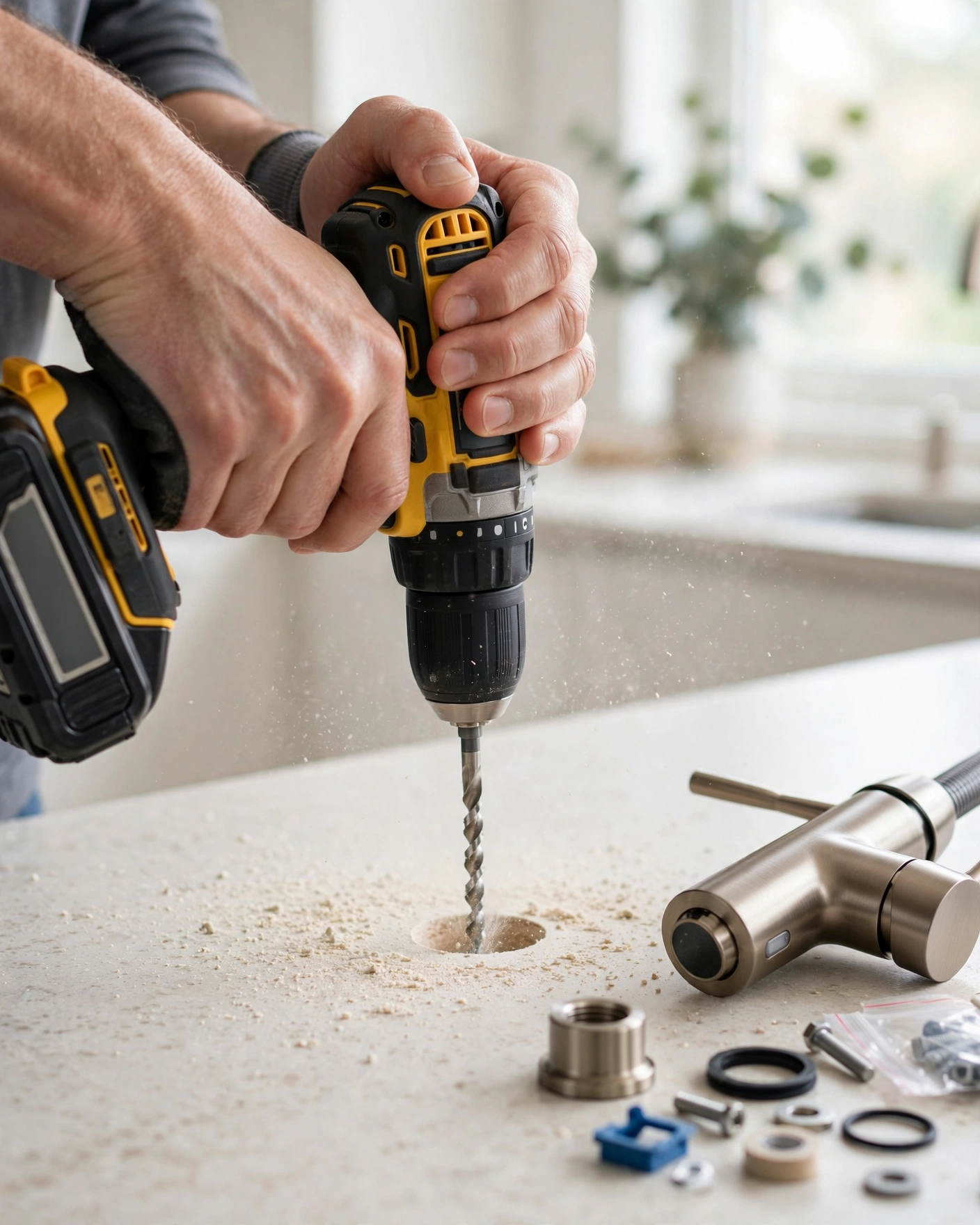
Installation. The manuals cover multiple models and can confuse — and you will drill a hole in your countertop for the faucet. Both systems also need a nearby power outlet — easy to forget until the unit is under the sink.
Flow and quality. X12 owners warn the stream is forceful — fill glasses carefully. One G3P800 owner reported the first unit arrived faulty and the replacement worked fine — test everything during the return window.
Which should you buy?
For a household that runs through a lot of water — kids’ bottles, cooking, guests — the X12 earns its premium. The 1,200 GPD capacity, the better taste, and the 2-year warranty are real, everyday advantages, and its yearly filter cost is actually a touch lower.
For the most filtration evidence per dollar, the G3P800 is the pick: independent lab data, a UV sterilizer, and a street price roughly $280 lower.
Prefer a classic tanked system instead of tankless? Our iSpring RCC7 vs APEC ROES-50 showdown covers the two most popular tanked ROs.
Buy the X12 if
- Your household uses a lot of water daily.
- Taste matters to you — the alkaline remineralization is the X12’s signature advantage.
- You want the 2-year warranty.
Buy the G3P800 if
- You want independent lab data behind your filtration.
- The UV sterilizer matters to you.
- Your budget is tighter.
FAQs
Which is better, the Waterdrop G3P800 or the X12?
The X12 delivers 1,200 GPD against 800, adds alkaline minerals back for a smoother taste, and carries a 2-year warranty — the stronger pick. The G3P800 has independent lab data behind its filtration (94.8% TDS rejection), a UV sterilizer, and a lower price.
Does the X12’s alkaline remineralization really change the taste?
Owners say yes — the X12 adds calcium and magnesium back (targeting ~pH 7.5), and reviewers describe the result as smooth and rounder than flat-tasting plain RO water.
Is the G3P800’s UV sterilizer necessary?
For most municipal supplies, no — the membrane and carbon stages do the heavy lifting. The UV stage is an extra layer Waterdrop says helps sterilize water as it flows; it matters most with microbial concerns. Think of it as insurance, not the main event.
How much do replacement filters cost per year?
Roughly $160–220 a year for the G3P800 and roughly $170 for the X12 — both estimates. The X12’s cost is more predictable; the G3P800’s membrane is pricier but lasts 24 months.
Are these systems NSF certified?
Waterdrop states the G3P800 is certified by IAPMO R&T against NSF/ANSI 42, 53, 58 and 372 — a claim PopSci’s review independently repeats. For the X12, Waterdrop lists NSF/ANSI 42, 58 and 372 on its product page, but we could not independently verify those listings, so check the NSF database at info.nsf.org before you treat either system as certified.
Do I need a plumber to install either system?
Most owners do it themselves in about 20–40 minutes: a cold-water feed connection, a drain saddle, a drilled hole for the dedicated faucet, and a nearby power outlet. The install is widely described as straightforward, though the manual covers multiple models and can confuse. Not comfortable drilling into your countertop? Hire a plumber for that one step.
How loud are these systems?
Water Filter Guru’s lab measured the G3P800 at 46.2 dB — about a quiet conversation. Owners describe a low hum while water is drawn, going silent when you stop.
Conclusion
Both are strong tankless RO systems — this is a choice between two good answers. Buy the X12 for speed, taste, and a longer warranty; buy the G3P800 for proven filtration, UV sterilization, and a lower bill. Know which buyer you are, and the decision makes itself.
Update log
- Zulqarnain: Review published.