
Brita vs PUR (2026): Which Should You Buy?
You are standing in the store aisle — or scrolling a results page — and the question lands: Brita or PUR? They cost about the same and both promise cleaner, better-tasting water. But the boxes tell different stories, and picking blind can cost you real money in replacement filters.
Here is the short answer. If certified lead reduction and changing your filter twice a year matter most, buy the Brita Elite. If you want the broadest brand-stated certification coverage — WQA-listed NSF/ANSI 42, 53, and 401, including lead — at a friendly upfront price, buy the PUR PLUS. And if you only want better-tasting water, a basic Brita or PUR pitcher gets you there for less. Below: the four filter tiers these brands sell, what each is certified to do, what a year of filters costs, and what owners complain about. No lab claims — everything is researched and compared from spec sheets, certification listings, owner reviews, and the cost math.
The broadest-certification rival
PUR PLUS (CRF-950Z)
~$38–44
The broadest brand-stated certification list of the four tiers — WQA 42, 53, and 401 including lead — but six filter changes a year push its yearly filter cost to about $60–90.
Our pick for certified lead reduction
Brita Elite (OB06)
~$35–41
Certified lead reduction under NSF/ANSI 53 with a 120-gallon, roughly 6-month filter — two changes a year and the lowest yearly filter cost here, about $34–40.
Quick verdict
The bottom line: Brita Elite for certified lead reduction with two filter changes a year. PUR PLUS for the broadest brand-stated certification coverage at a similar upfront price. Basic pitchers for taste-only buyers.
Verdict: no single winner — pick the tier that matches your water concern.
Both brands sell multiple filter tiers, and the tier matters more than the brand name on the pitcher. The Elite (OB06) and PLUS (CRF-950Z) are the premium tiers — that is where the real certifications live. The standard filters are simpler, cheaper, and mostly about taste.
All prices are estimates checked at the time of writing; they change often — see the live price before you buy.
Our scores
Table of Contents
Side-by-side comparison
Forget brand loyalty for a minute. What matters is the filter inside the pitcher. Here are all four tiers, head to head.
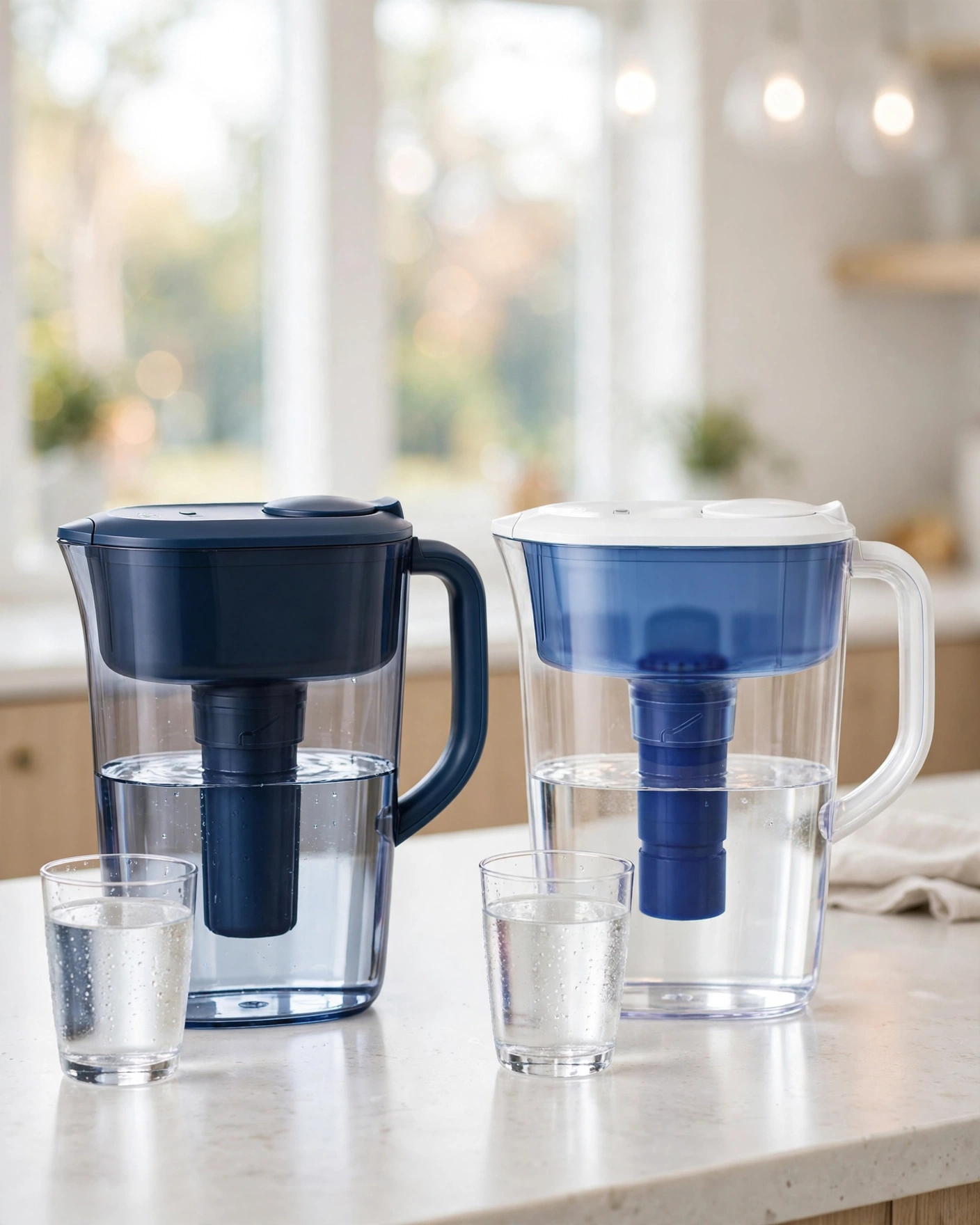
| Brita Elite (OB06) ★ Winner | Brita Standard (OB03) | PUR basic (PPF900Z / PPF951K) | PUR PLUS (CRF-950Z) | |
|---|---|---|---|---|
| Rated filter life | 120 gal / ~6 months | 40 gal / ~2 months | 40 gal / ~2 months | 40 gal / ~2 months |
| Filters per year | ~2 | ~6 | ~6 | ~6 |
| Cert coverage (brand-stated) | WQA-listed 42 + 53, incl. lead | Listed 42 + 53 (narrower) | NSF-listed 42 + 53 | Brand-stated WQA 42, 53, 401 |
| Lead reduction | NSF/ANSI 53 certified | Lead NOT in reductions | Lead NOT listed | Brand-stated incl. lead |
| Replacement filter (each, estimate) | ~$17–20 | ~$8–10 | ~$10–14 | ~$10–15 |
| Est. yearly filter cost | ~$34–40 | ~$48–60 | ~$60–84 | ~$60–90 |
| Best for | Certified lead reduction, fewest swaps | Budget taste improvement | Certified filtration, low entry price | Broadest cert list, low upfront |
Every price figure is an estimate at the time of writing — re-check current prices before you buy. Filter life ratings are manufacturer lab numbers; hard water and heavy sediment clog cartridges faster.
Two things jump out. First, the Elite is the only tier here that pairs certified lead reduction with a 6-month filter cycle — that combination is its whole case. Second, the PUR PLUS is the only tier with a brand-stated WQA listing spanning 42, 53, and 401. If you want to see how either brand stacks up against the third big pitcher name, read our Brita vs ZeroWater comparison next.
Certifications
Certifications are the only part of a filter box you can trust without drinking the water: an independent certifier verified the claim under standardized conditions. Every claim below is brand-stated from a published Performance Data Sheet or listing — anything we could not verify at a primary source is not on this page. If a contaminant matters to you, look the exact model up in the public NSF or WQA directory before you buy.
Brita Elite (OB06)
Brita’s Performance Data Sheet for the Elite / LONGLAST+ filter (model OB06) lists WQA certification to NSF/ANSI 42 and 53 — lead, benzene, tetrachloroethylene, asbestos, mercury, particulates (Class I), and chlorine taste and odor. It is the only filter here pairing certified lead reduction with a 6-month cycle.
Brita Standard (OB03)
The standard Brita filter — the one in the Everyday pitcher — carries a narrower listing: 42 and 53 for chlorine taste and odor, mercury, cadmium, copper, zinc, and particulates. Lead is not among its reductions. It is a taste-and-odor product, priced like one.
PUR basic (PPF900Z / PPF951K)
The basic PUR pitcher filter is NSF-listed to 42 and 53. Lead is not listed among its reductions. On certified scope it sits between the Brita Standard and the PUR PLUS.
PUR PLUS (CRF-950Z)
PUR’s Performance Data Sheet states the PLUS filter is certified by NSF International against NSF/ANSI Standards 42 and 53, and by WQA against 42, 53, and 401 — the broadest brand-stated list of the four tiers, including lead. It is rated at 40 gallons or about 2 months; the short cycle is the price of the broader scope. Deciding between the two premium tiers? Our Brita Elite vs PUR PLUS page goes deeper on just that pair.
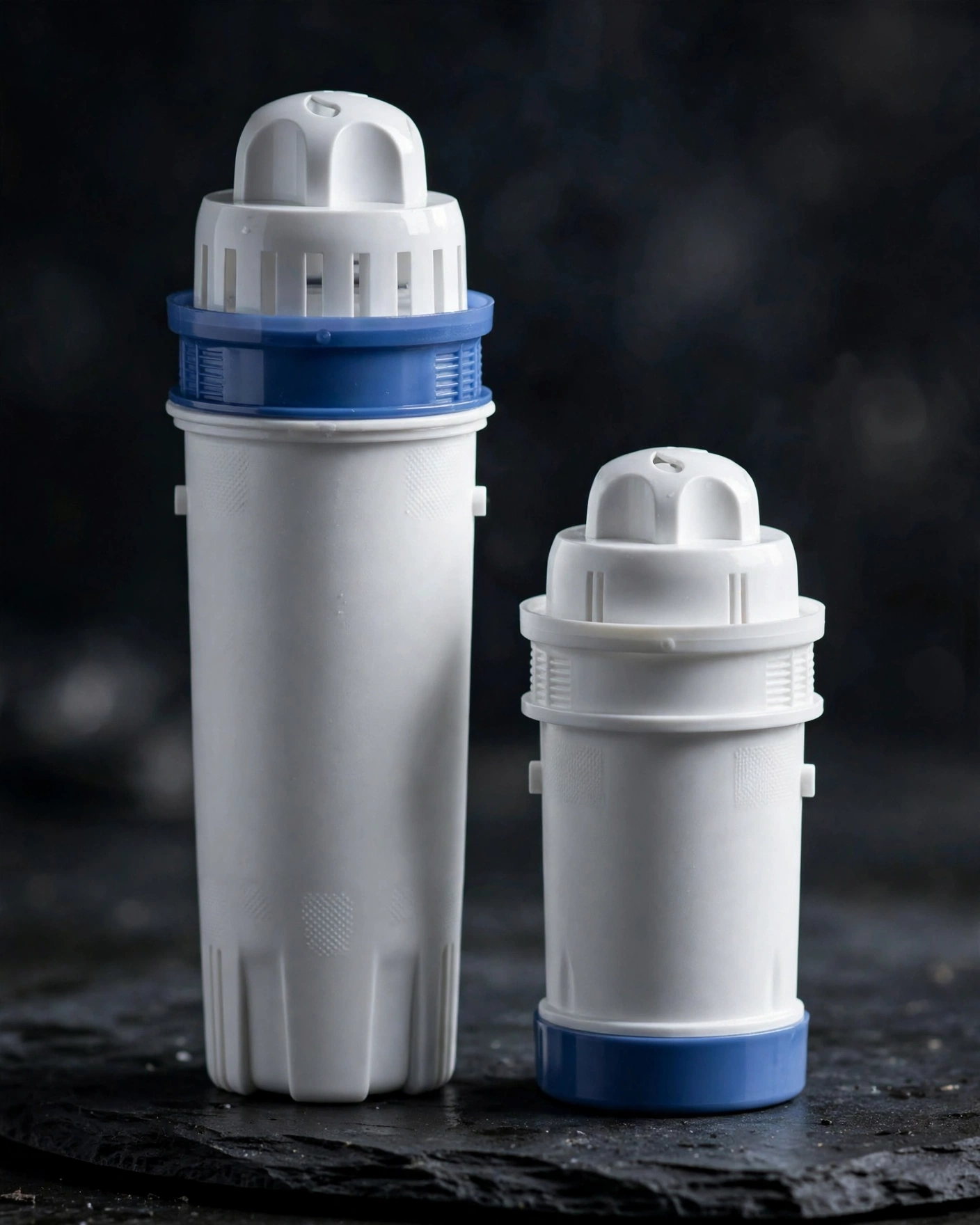
Certification covers only the contaminants in the listing, only under standardized conditions. If it is not in the Performance Data Sheet, do not put it in your buying decision.
Cost per year
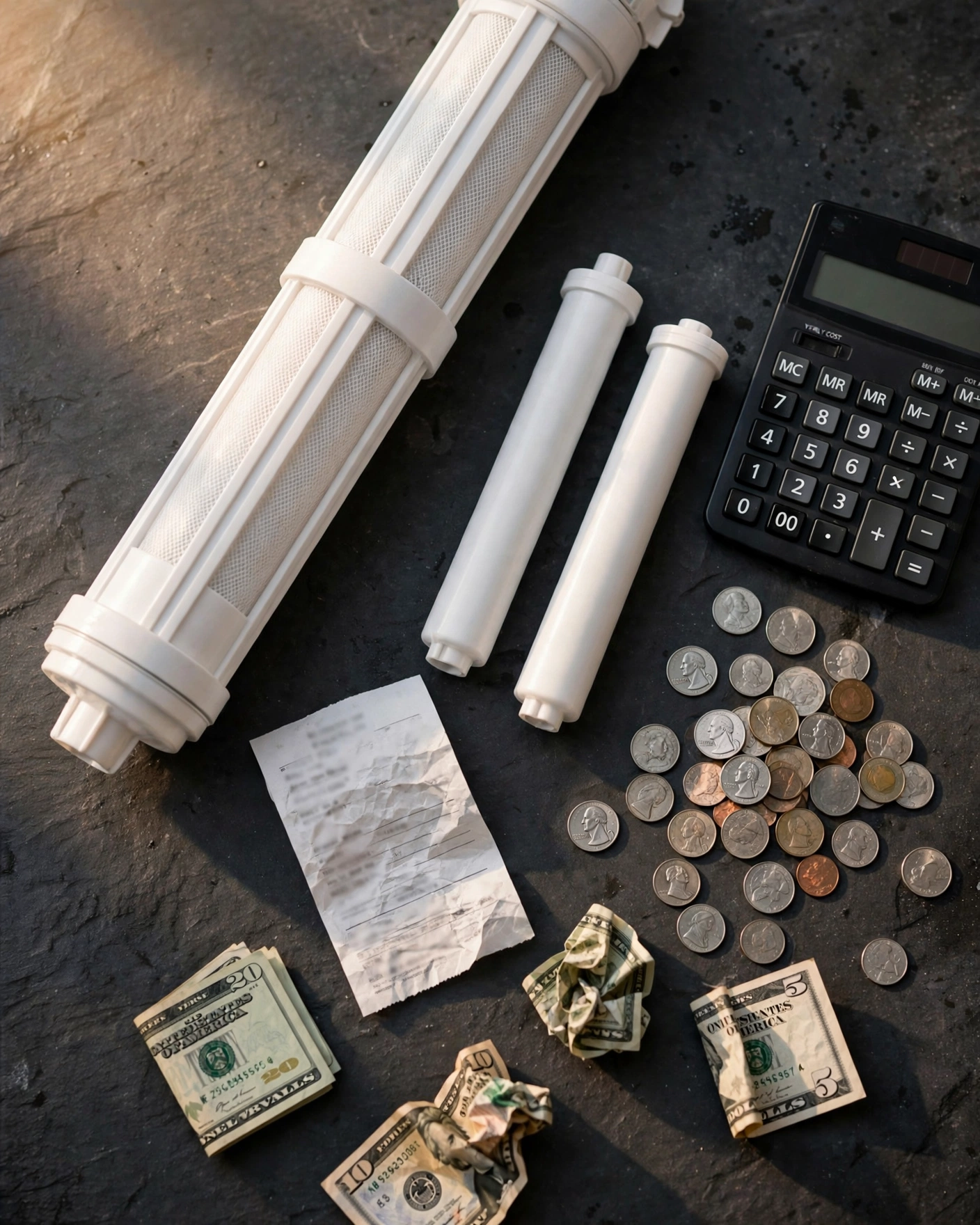
The sticker price is the least important number on this page. Pitcher filters are a subscription you pay in cartridges, so the honest comparison is what a year actually costs.
| Brita Elite (OB06) | Brita Standard (OB03) | PUR basic | PUR PLUS | |
|---|---|---|---|---|
| Typical pitcher price (estimate) | ~$35–41 | ~$28–30 | ~$30–38 | ~$38–44 |
| Replacement filter (each, estimate) | ~$17–20 | ~$8–10 | ~$10–14 | ~$10–15 |
| Rated filter life | 120 gal / ~6 mo | 40 gal / ~2 mo | 40 gal / ~2 mo | 40 gal / ~2 mo |
| Filters per year | ~2 | ~6 | ~6 | ~6 |
| Est. yearly filter cost | ~$34–40 | ~$48–60 | ~$60–84 | ~$60–90 |
| Est. first-year total | ~$69–81 | ~$76–90 | ~$90–122 | ~$98–134 |
The pattern is clear: the PUR PLUS is the most expensive tier to run despite a friendly pitcher price — six filters a year adds up fast. The Brita Elite flips it: pricier pitcher, cheapest yearly cost, fewest swaps. Over three years, the Elite’s filter savings roughly cover its premium — assuming you use the full 6-month life. For the same cost lens on the third big brand, see our PUR vs ZeroWater cost comparison.
Owner voices
We read hundreds of owner reviews and kept only the complaints that repeat across many owners and months.
Brita owners
Black specks in the first pitchers. The number-one recurring Brita complaint: tiny black particles from a fresh filter. The manufacturer attributes them to harmless carbon fines; rinsing or soaking the new filter, then discarding the first pitchers, clears them for most owners.
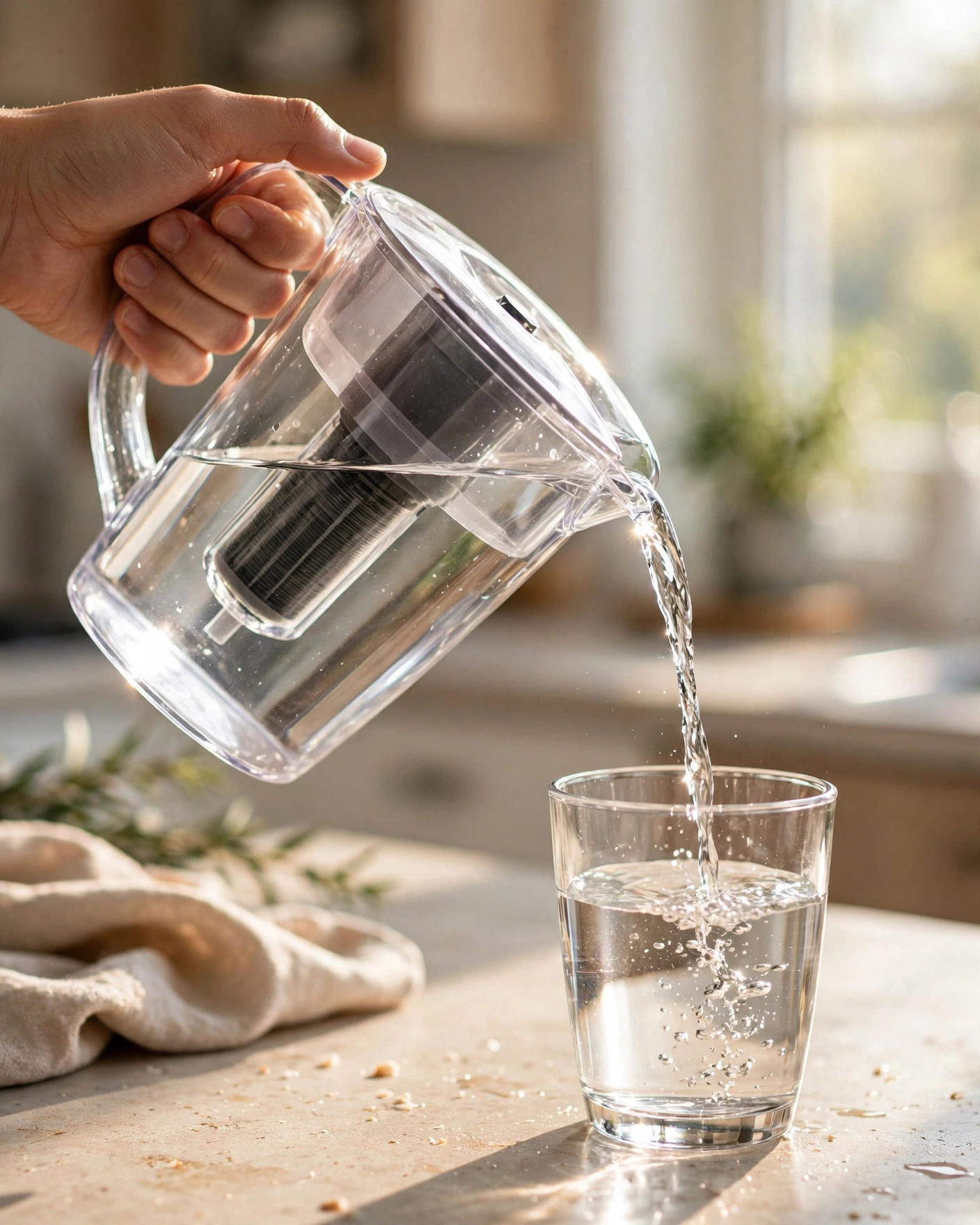
Lid fit and weight. Lids that do not always seat perfectly, the occasional pour drip, and a tall, heavy pitcher when full — measure your fridge shelf before you buy.
PUR owners
The short filter cycle. The most common PUR gripe: 40 gallons / 2 months goes fast, and six replacement filters a year stings. Owners who buy multi-packs soften the per-filter price.
Pour design praise. Owners generally like the pour flap — it allows controlled pouring at a steep angle without the filter tipping, a step up from Brita’s simpler flap.
Breakage on arrival. Cracked lids and a few “stopped filtering after a couple of days” reports appear across listings. These read as shipping one-offs, not a design pattern — but check your pitcher on arrival.
These patterns look different against a third brand — our Brita Elite vs ZeroWater page adds that angle for the Elite side.
Which should you buy?
There is no single winner — there is a winner for your situation:
Buy the Brita Elite if
- Certified lead reduction is your top concern, verifiable in a certifier listing.
- You hate swapping filters — two changes a year versus six.
- You want the lowest yearly filter cost of the four tiers.
Buy the PUR PLUS if
- You want the broadest brand-stated certification coverage (42, 53, and 401 on the PLUS line).
- You want a low upfront pitcher price and a dishwasher-safe pitcher.
- You do not mind buying replacement filters six times a year.
Buy a basic Brita or PUR pitcher if
- You only want better-tasting water. A standard filter handles chlorine taste and odor fine at the lowest upfront cost.
Still stuck? Widen the field: our Brita vs PUR vs ZeroWater three-way comparison adds the third brand both of these get cross-shopped against.
All prices are estimates checked at the time of writing; they change often — see the live price before you buy.
FAQs
Which is better, Brita or PUR?
Neither wins outright. The Brita Elite is better for certified lead reduction with two filter changes a year. The PUR PLUS is better for the broadest brand-stated certification coverage, with about six changes a year. For taste-only buyers, the basic models perform about the same.
Does the Brita Elite pitcher remove lead?
Brita states that the Elite filter is certified to NSF/ANSI 53 for lead reduction. Certification means it reduced lead under standardized conditions — not that it handles every scenario, such as very high levels in old plumbing. If lead is your main concern, check your water first.
What is the PUR PLUS certified for?
PUR’s Performance Data Sheet states the PLUS filter is certified by NSF International against NSF/ANSI 42 and 53, and by WQA against 42, 53, and 401. If a specific contaminant matters, look up the exact model in the certifier directory before you buy.
Which costs less per year, Brita or PUR?
The Brita Elite: about 34 to 40 dollars a year in filters (two cartridges). The PUR PLUS: about 60 to 90 dollars a year (six cartridges), despite a similar pitcher price. All figures are estimates — check current filter prices before you buy.
Can I use a PUR filter in a Brita pitcher, or the other way around?
No. Brita and PUR filters have different shapes and locking designs and are not interchangeable. Use the filter made for your pitcher and check the model number — for PUR, it must say PLUS for PLUS-level certifications.
How often do I need to change the filters?
The Brita Elite filter: 120 gallons or about 6 months. The PUR PLUS and both standard filters: 40 gallons or about 2 months. Hard water clogs all of them sooner. Follow the filter-change indicator and change early if flow slows.
Update log
- Zulqarnain: Review published.