

SpringWell vs Aquasana Certifications (2026): Which Should You Buy?
You did the right thing: you read your water report, looked up what chlorine and chloramine actually do to water, and now you have two tabs open — SpringWell and Aquasana — both promising cleaner water from every tap in your house. But one of them talks about “reduces” and “handles,” and the other shows certification numbers. Which of those claims can you actually check?
Here is the short answer: Aquasana is the only one of the two with whole-house certifications you can verify yourself. The Rhino EQ-1000 is brand-stated at NSF/ANSI 42 for chlorine taste and odor, and Aquasana’s own certification page lists the Rhino line under 42 and 61 — nothing under 53 or 401. The newer HealthShield is stated by Aquasana as WQA certified to 53 and 401, covering PFAS and VOCs. The SpringWell CF1 carries no whole-system NSF or WQA certification at all — we say that plainly because its own materials do not claim one. If third-party certification decides your buy, Aquasana wins. If you trust brand-stated performance backed by a lifetime warranty, the CF1 is the cheaper way in. Below is every claim side by side, with sources, so you can decide which kind of evidence you trust.
The value pick
SpringWell CF1
~$1,000–1,200
No whole-system certification at all — performance is brand-stated only, backed by a lifetime warranty and the lowest five-year cost.
The certification pick
Aquasana HealthShield
~$1,900–2,300
Brand-stated WQA certified to 53 and 401 — the only system in this comparison with any PFAS certification claim.
The bottom line: on certifications alone, Aquasana beats SpringWell — it is not close. The Rhino EQ-1000 has a real, checkable certification footprint (brand-stated NSF 42; the brand’s cert page lists 42 + 61), and the HealthShield adds brand-stated WQA 53 + 401 for PFAS and VOCs. The SpringWell CF1 has no whole-system certification, and no certifier lists it. SpringWell’s case is not certification — it is price, simplicity, and a lifetime warranty.
Verdict: buy Aquasana if you want proof; buy SpringWell if you want value without the paperwork.
| Factor | Aquasana | SpringWell |
|---|---|---|
| Certifications you can check | ★★★★★ — Rhino: NSF 42 (brand-stated), 42 + 61 on cert page; HealthShield: WQA 53 + 401 (brand-stated) | ★★☆☆☆ — CF1: no whole-system certification; no certifier lists it |
| Claim transparency | ★★★★☆ — certified claims are specific and look-up-able | ★★★☆☆ — performance claims are brand-stated only |
| Yearly cost (est.) | ★★★☆☆ — Rhino pre-filters ~$120/yr; HealthShield upkeep not published | ★★★★★ — ~$40–120/yr est.; media rated ~10 years |
| Owner friction | ★★★☆☆ — frequent pre-filter swaps; warranty strings attached | ★★★★☆ — install is the main complaint, then it is quiet |
| Best for | Buyers who want certified PFAS/chlorine reduction | Buyers who want the cheapest quiet tank and trust the brand |
Price checked at time of writing; it changes often — see the live price before you buy.
Table of Contents
Side-by-side comparison

Every number below is an estimate or a brand-stated claim with its source — nothing here is lab-tested by us. We researched and compared; we did not run tests.

| SpringWell CF1 | Aquasana Rhino EQ-1000 | Aquasana HealthShield ★ Winner | PRO+AQUA Elite PRO-100-E GEN2 | |
|---|---|---|---|---|
| Upfront price (est.) | ~$1,000–1,200 | ~$900–1,100 | ~$1,900–2,300 | ~$300–450 |
| Certifications (verifiable) | None — no whole-system NSF/WQA listing | NSF 42 (brand-stated); cert page lists 42 + 61 | WQA 53 + 401 (brand-stated) | None we could verify |
| What the cert covers | — | Chlorine taste and odor (42); 61 = materials safety, not contaminant reduction | PFAS incl. PFOA/PFOS/PFNA/PFHxS/PFHpA (53); VOCs incl. BPA, ibuprofen (401) | — |
| Media/filter life | ~1M gal / ~10 yrs (brand-stated) | ~1M gal / ~10 yrs (brand-stated) | Carbon + softener + UV combo (brand specs) | Cartridge system; yearly swaps |
| Flow rate | ~9 GPM (brand-stated) | Varies by configuration (brand specs) | ~5.7 GPM (per third-party coverage) | Well-water 3-stage (brand-stated) |
| Yearly upkeep (est.) | ~$40–120 | ~$120 (pre-filter swaps) | Not brand-published | ~$100–150 |
| Warranty | Lifetime (brand-stated) | 10-yr, non-transferable, Aquasana-parts-only | Per brand terms | Per brand terms |
| Best for | Budget tank, brand trust | Certified chlorine reduction | Certified PFAS + VOC reduction | Well water on a budget |
All prices are approximate street figures and change often. “Brand-stated” means the claim comes from the manufacturer’s own materials — we label it that way when no independent certifier listing backs it.
Certifications
This is the section the two brands wish you would skip — because this is where their marketing language parts ways. One note before the brand-by-brand breakdown: “NSF/ANSI compliant” is not the same as certified. “Compliant” usually means the manufacturer says its product follows the standard; “certified” means an independent certifier (NSF, WQA, IAPMO) tested it and lists it. Only the second one can be looked up.
What the numbers actually mean
- NSF/ANSI 42 — aesthetic effects: chlorine taste and odor, particulates. It is about how water tastes, looks, and smells — not health claims.
- NSF/ANSI 53 — health-related contaminants: lead, cysts, VOCs, and (for the HealthShield) PFAS compounds. This is the serious one.
- NSF/ANSI 61 — materials safety and structural integrity: it certifies what the system is made of and that it holds pressure — it is not a contaminant-reduction claim.
- NSF/ANSI 401 — emerging contaminants: pharmaceuticals, BPA, and similar compounds that showed up in water supplies more recently.

SpringWell CF1 — not certified, stated plainly
The SpringWell CF1 is not NSF or WQA certified as a complete system. No certifier lists it — that is the consistent finding across third-party coverage: one review notes it is “not NSF certified as a complete system,” another that “the entire unit isn’t certified” even though individual components carry NSF marks, and a third that “no certifier lists it.” SpringWell’s own materials do not claim a system certification, which is at least honest.
Why does that matter? Because component-level marks do not transfer to the finished system. A tank can contain NSF-marked media and still not be a certified system — certification tests the assembled product under the standard’s conditions. So when a comparison site prints “NSF 42/53/401” next to the SpringWell name, treat that as the site’s claim, not a certification you can verify. We found no public certifier database backing a system-level listing for the CF1.
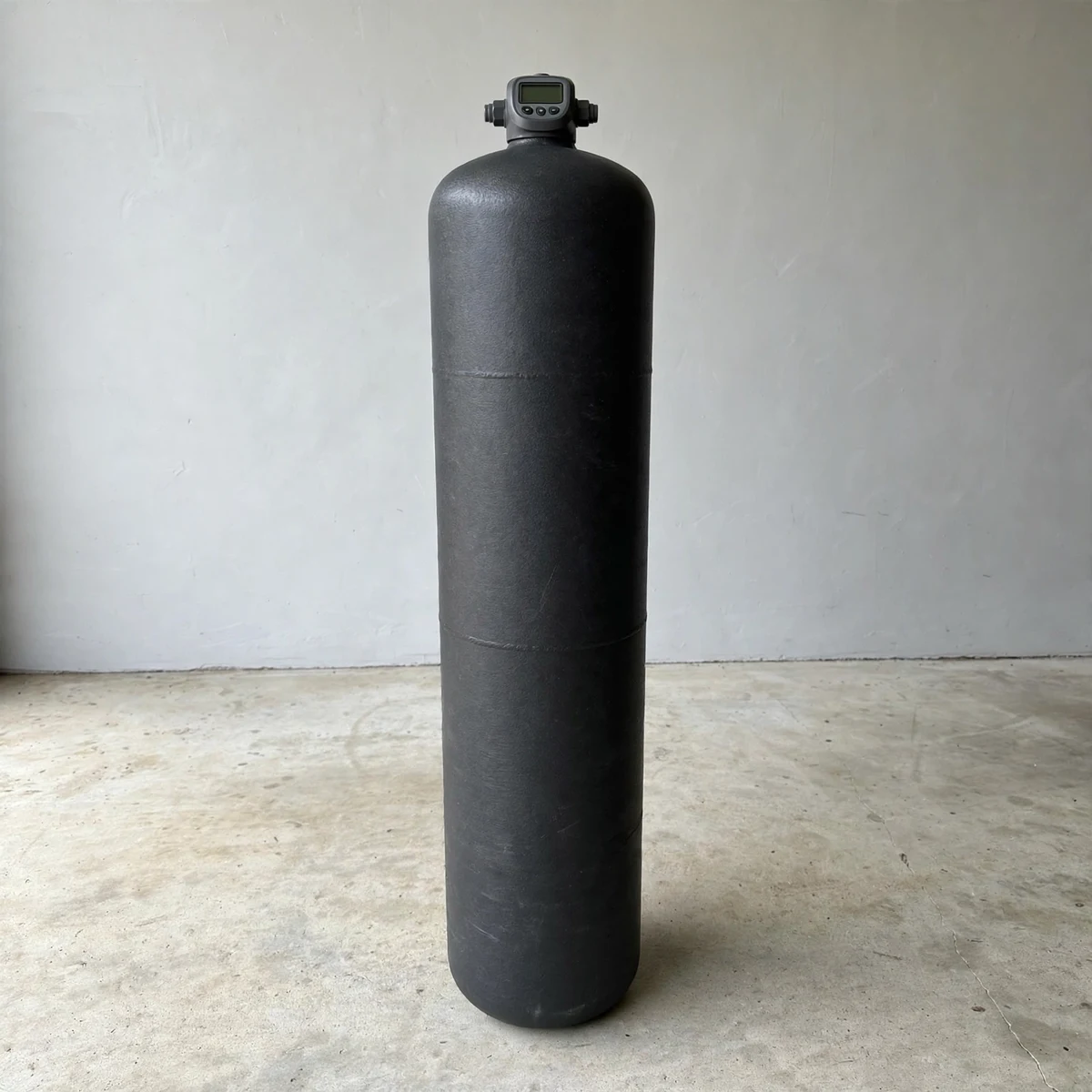
None of this means the CF1 does not filter water — its catalytic carbon plus KDF media is a legitimate city-water design, and owners report chlorine taste disappearing. It means the performance is brand-stated only, and you are trusting SpringWell rather than a third party. For the full explainer on how certification databases work, see our whole-house filter certifications guide, and our dedicated check on whether SpringWell is NSF certified.
Aquasana Rhino EQ-1000 — certified, but less than some sites claim
The Rhino EQ-1000 is brand-stated at NSF/ANSI 42 for chlorine taste and odor reduction. Aquasana’s own certification page lists the Rhino and Rhino Max Flow lines under NSF/ANSI 42 and 61 only — 61 covering materials safety and structural integrity, not contaminant reduction.
This is where we correct the record: some review sites claim the Rhino EQ-1000 is “NSF 42, 53, 401.” That claim is refuted by Aquasana’s own certification page — 53 and 401 do not appear on it. A 53 or 401 listing would mean certified health-contaminant reduction; the Rhino does not have one. What it has is a real, checkable 42 certification plus a materials-safety listing, which is more than most tank systems can show — just not what those sites printed. Our dedicated Rhino certification check walks through the database entries line by line.
Aquasana HealthShield — the brand-stated PFAS certification
The HealthShield is the outlier in this comparison: Aquasana states it is WQA certified to NSF/ANSI 53 and 401, covering PFAS compounds (PFOA, PFOS, PFNA, PFHxS, PFHpA) under 53 and VOCs (including BPA and ibuprofen) under 401. It is a newer system — launched in August 2026 — combining carbon filtration with a softener and UV stage, at roughly 5.7 GPM.
We present this as a brand-stated certification: it comes from Aquasana’s published certification materials and launch announcements, and we did not independently re-verify the WQA listing before writing. If PFAS is your reason for buying, that distinction matters — check the WQA listing yourself before you spend ~$2,000. Even brand-stated, it is the strongest certification story in this comparison by a wide margin: it is the only system here with any PFAS certification claim at all.
PRO+AQUA Elite PRO-100-E GEN2 — no certifications we could verify
The PRO+AQUA is the budget entry here — a 3-stage cartridge system aimed at well water at roughly a third of the others’ price. We could not verify any NSF, WQA, or IAPMO certification for it. That is normal at this price: you are buying simple mechanical and carbon filtration, not certified contaminant reduction. Judge it on price and simplicity, and do not buy it expecting certified lead or PFAS performance.
Cost per year
The sticker price is the least important number in this comparison. Whole-house systems are subscriptions you pay in pre-filters, media, and cartridges — and the cheapest box on day one is not always the cheapest over five years.

| System | Upfront (est.) | Yearly upkeep (est.) | 5-year total (est.) |
|---|---|---|---|
| SpringWell CF1 | ~$1,000–1,200 | ~$40–120 | ~$1,200–1,800 |
| Aquasana Rhino EQ-1000 | ~$900–1,100 | ~$120 | ~$1,500–1,700 |
| Aquasana HealthShield | ~$1,900–2,300 | Not brand-published | Not published |
| PRO+AQUA Elite PRO-100-E GEN2 | ~$300–450 | ~$100–150 | ~$800–1,200 |
Where the numbers come from: the CF1’s media is brand-rated at about 1 million gallons (roughly 10 years), so the yearly cost is mostly sediment pre-filter swaps — third-party coverage puts upkeep around $40 a year, and we allow up to ~$120 for heavier sediment loads. The Rhino’s pre-filter needs swapping every 2–3 months, which owners and reviewers consistently price at roughly $120 a year. The PRO+AQUA is a cartridge system, so yearly cartridge swaps are the whole story — an estimate, because cartridge prices move.
Two honest gaps. First, the HealthShield’s yearly upkeep is not brand-published, and we will not invent it. Some third-party roundups print a five-year upkeep figure for it; we could not verify that figure against a primary source, so it does not appear on this page. Budget a margin, not a number. Second, installation is not in the table: a straightforward pro install typically runs $300–800, and tank installs can reach $500–1,200 — often close to the price of the system itself. Add that to year one before comparing.
If cost is your main lens rather than certifications, our best whole-house water filter roundup ranks the same systems by value instead of paperwork.
Price checked at time of writing; it changes often — see the live price before you buy.
Owner voices
Certifications tell you what a system proved in a lab. Owners tell you what it costs to live with. The complaint themes below repeat across many owners over many months — not one-off bad days.
SpringWell CF1 owners complain about one thing above all: the install. The tank does not arrive preassembled, the media needs a 48-hour soak before first use, and first-timers regularly underestimate the plumbing. After that, it goes quiet — praise centers on the lifetime warranty, no noticeable pressure drop when the unit is sized right, and the low yearly upkeep. One caution from the record: a late-2025 BBB complaint documents a 25% restocking fee withheld on a refused delivery — a single complaint, not a pattern, but read the return policy before you order a thousand-dollar tank.
Aquasana Rhino owners complain about the upkeep rhythm: the pre-filter wants swapping every 2–3 months, and at roughly $120 a year it is the system’s real subscription cost. The 10-year warranty draws the second-most complaints — it is non-transferable and requires Aquasana parts, so a house sale or a third-party cartridge can void it. Plastic fittings get mentioned often enough to note: fine until they are not, and replacements mean Aquasana parts.
Themes that hit every brand: install-cost surprise (the plumber’s bill rivals the system’s price); pressure drop when the unit is undersized or the sediment filter is overdue (one long-term test showed 68 to 65 PSI over three years — normal, but overdue filters drop further); “it doesn’t soften water” expectation mismatch — none of these systems are softeners, and hard-water buyers are disappointed every year; and well-water buyers installing city-water systems, then blaming the filter. If you are on a well, start with our well-water picks instead of this page.
Pros and cons
Why certification-first buyers pick Aquasana
- Checkable certifications — Rhino’s 42 listing and the HealthShield’s brand-stated 53 + 401 can be looked up, not just believed.
- PFAS story exists — the HealthShield is the only system here with any PFAS certification claim.
- Honest cert page — Aquasana’s own page lists 42 + 61 for the Rhino, which let us correct the inflated “42/53/401” claims other sites print.
- Independent test numbers — third-party labs have published chlorine/chloramine reduction figures for Rhino systems.
Why value buyers pick SpringWell anyway
- No certification at any price — the CF1 has no whole-system listing, full stop.
- Performance is brand-stated only — you are trusting SpringWell’s word, not a certifier’s.
- Install friction — not preassembled, 48-hour media soak, real plumbing work.
- Return-policy risk — at least one documented restocking-fee dispute; read the terms first.
Which should you buy?

Buy Aquasana if
- You want certified PFAS or VOC reduction — the HealthShield is the only option here with that claim.
- You want certified chlorine reduction you can verify — the Rhino EQ-1000’s 42 listing is checkable.
- You are comfortable paying more upfront for third-party proof.
Buy SpringWell if
- You want the lowest total cost over five years and trust brand-stated performance.
- A lifetime warranty matters more to you than a certification listing.
- Your main problem is chlorine taste and odor on city water — the job carbon does well, certified or not.
Buy PRO+AQUA if
- You are on well water on a budget and want simple cartridge filtration.
- You accept no certifications in exchange for the lowest entry price.
If this page settled the certification question but not the buying question, our best whole-house water filter roundup ranks all of these by overall value — and if you are still deciding between whole-house and a cheaper point-of-use route, that is the cheaper question to answer first.
Price checked at time of writing; it changes often — see the live price before you buy.
Price checked at time of writing; it changes often — see the live price before you buy.
The specs
Aquasana HealthShield (the certification pick)
- Brand
- Aquasana
- System type
- Whole-house: carbon + softener + UV
- Certifications
- WQA 53 + 401 (brand-stated)
- PFAS claim
- 53: PFOA, PFOS, PFNA, PFHxS, PFHpA (brand-stated)
- Flow rate
- ~5.7 GPM (per third-party coverage)
- Typical price
- ~$1,900–2,300 (est.)
SpringWell CF1 (the value pick)
- Brand
- SpringWell
- System type
- Whole-house catalytic carbon + KDF tank
- Certifications
- None (whole-system)
- Media life
- ~1M gal / ~10 yrs (brand-stated)
- Flow rate
- ~9 GPM (brand-stated)
- Typical price
- ~$1,000–1,200 (est.)
- Warranty
- Lifetime (brand-stated)
FAQs
Is the SpringWell CF1 NSF certified?
No. The SpringWell CF1 is not NSF or WQA certified as a complete system, and no certifier lists it. Some comparison sites print NSF numbers next to the SpringWell name, but those are the site’s claims, not certification listings you can look up. The system’s performance claims are brand-stated only.
Is the Aquasana Rhino really NSF 53 certified?
No — that claim is refuted by Aquasana’s own certification page, which lists the Rhino and Rhino Max Flow lines under NSF/ANSI 42 and 61 only. The Rhino is brand-stated at NSF 42 for chlorine taste and odor reduction. NSF 61 covers materials safety and structural integrity, not contaminant reduction.
What is the difference between WQA and NSF certification?
Both are independent certifiers that test products against NSF/ANSI standards. A WQA certification to an NSF/ANSI standard (like the HealthShield’s stated 53 and 401) is a real third-party certification — the difference is which organization did the testing and keeps the listing. Either way, certified means you can look the listing up; brand-stated means you cannot.
Which system is better for PFAS?
The Aquasana HealthShield, by default — it is the only system in this comparison with any PFAS certification claim (WQA 53, brand-stated, covering PFOA, PFOS, PFNA, PFHxS, and PFHpA). Neither the SpringWell CF1 nor the Rhino EQ-1000 carries a PFAS certification. If PFAS is your main concern, verify the WQA listing yourself before buying.
Does either system soften hard water?
None of the systems compared here are water softeners, and none will meaningfully change water hardness. If hard water is your problem — scale, spots, stiff laundry — you need a softener or a salt-free conditioner alongside (or instead of) a filter.
Which costs less per year to run?
The SpringWell CF1, by our estimates: roughly $40 to $120 a year, mostly sediment pre-filter swaps, with media rated for about 10 years. The Rhino EQ-1000 runs about $120 a year in pre-filter swaps. The HealthShield’s yearly upkeep is not brand-published, so we do not estimate it. The PRO+AQUA is cheapest upfront with roughly $100 to $150 a year in cartridge swaps.
What does NSF 61 mean on a whole-house filter?
It means the system’s materials and structural integrity were certified — that what touches your water is safe and the tank holds pressure. It is not a contaminant-reduction claim. A 61 listing plus a 42 listing (like the Rhino’s) means certified taste-and-odor reduction in a certified-safe housing — nothing about lead, PFAS, or VOCs.
Conclusion
On certifications, Aquasana wins this comparison outright: the Rhino EQ-1000 carries a checkable NSF 42 listing (42 + 61 on Aquasana’s own cert page), and the HealthShield carries a brand-stated WQA 53 + 401 certification that is the only PFAS story in this price class. The SpringWell CF1 carries no whole-system certification at all — stated plainly, because the brand does not claim one. That does not make the CF1 a bad filter; it makes it a different purchase. Buy Aquasana when the proof matters — PFAS worries, or a paper trail you can verify. Buy SpringWell when the math matters — the lowest five-year cost, a lifetime warranty, and brand-stated performance you are comfortable trusting. Know which buyer you are, and the choice makes itself.
Price checked at time of writing; it changes often — see the live price before you buy.
Update log
- Zulqarnain: Review published.