Brita Elite vs Standard Filter (2026): Which Should You Buy?
Your water tastes like a swimming pool, so you reach for a Brita filter — and then you stall. The standard cartridge is cheap and everywhere. The Elite cartridge costs about twice as much and promises more. Same brand, same slot in your pitcher, very different claims. Is the Elite a real upgrade, or just the same filter in fancier packaging?
Here is the short answer: they are genuinely different filters. The Elite (OB06) is certified to reduce lead under NSF/ANSI 53 and lasts 120 gallons, about 6 months. The standard (OB03) is certified for chlorine taste and odor plus mercury, cadmium, copper, and zinc — lead is not on its list — and it lasts 40 gallons, about 2 months. We researched and compared both filters against Brita’s own Performance Data Sheets, because that is where the real difference lives. This page lays out the certifications, the yearly costs, and what owners actually say, so you can pick the right one the first time.
The taste-only budget pick
Brita Standard (OB03)
~$7–10
Certified for chlorine taste and odor and pours faster — but lead is not on its certified list, and it lasts 40 gallons, about 2 months.
Our pick for most households
Brita Elite (OB06)
~$17–22
Certified to reduce lead under NSF/ANSI 53 and lasts 120 gallons — about 6 months, so its yearly cost roughly matches the Standard.
The bottom line: pick the Elite (OB06) if lead is on your mind or you hate swapping filters — it is certified for lead reduction and lasts about 6 months. Pick the standard (OB03) if all you want is better-tasting water for the lowest upfront price.
Verdict: Elite for certified protection and convenience, Standard for taste-only savings.
One more thing before the details: both cartridges fit the same pitchers. If you already own a Brita pitcher, you do not need a new one to switch — you just buy the other cartridge next time. The only exception is the Stream line, which uses its own filter-as-you-pour design and takes neither cartridge.
Table of Contents
Side-by-side comparison

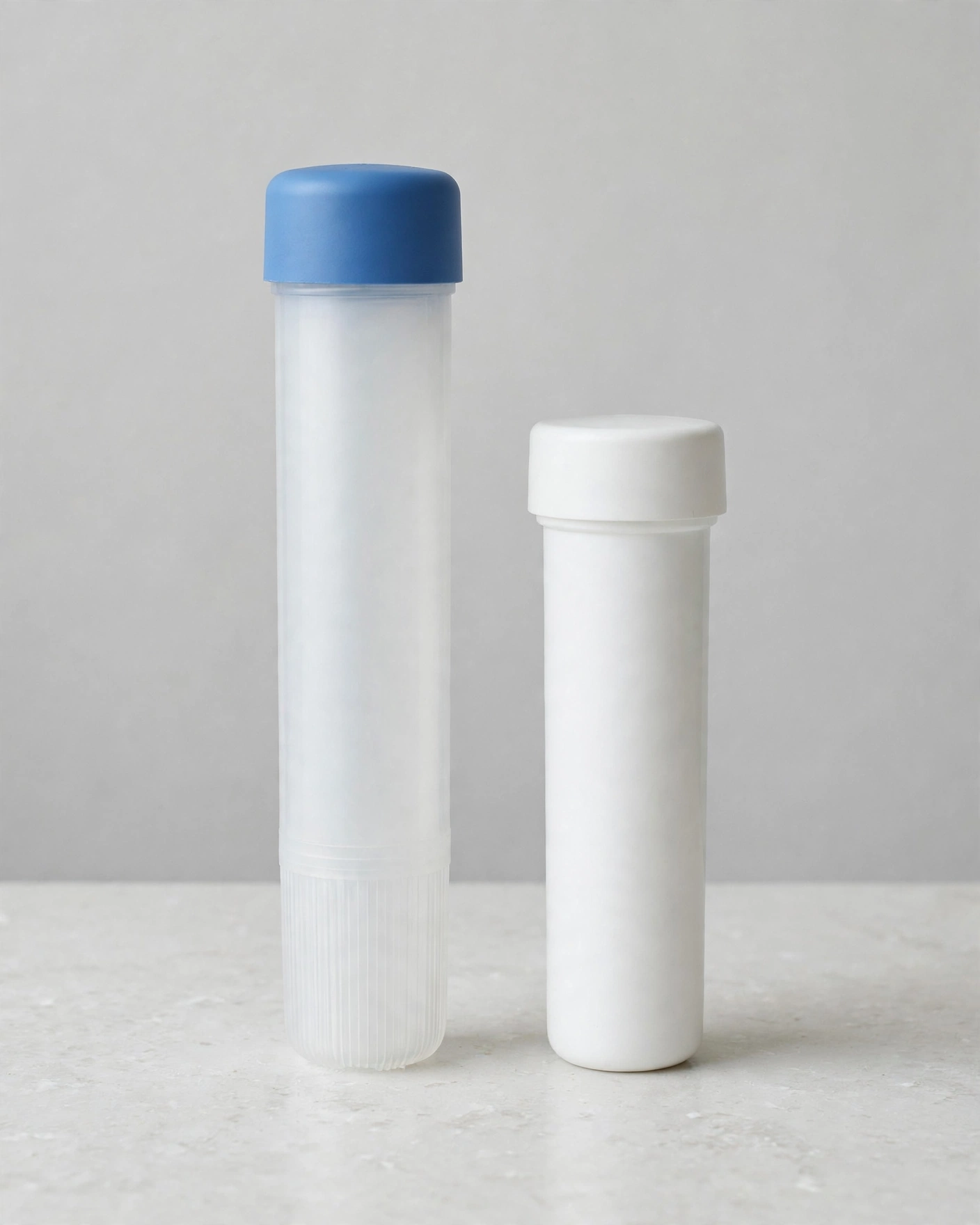
| Brita Elite (OB06) ★ Winner | Brita Standard (OB03) | |
|---|---|---|
| Filter life | 120 gallons / about 6 months | 40 gallons / about 2 months |
| Swaps per year | About 2 | About 6 |
| Lead reduction | Yes — NSF/ANSI 53 certified | No — not among its certified reductions |
| Chlorine taste and odor | Yes — NSF/ANSI 42 | Yes — NSF/ANSI 42 |
| Other certified reductions | Mercury, cadmium, asbestos, benzene, particulates (Class I), plus NSF/ANSI 401 emerging compounds | Mercury, cadmium, copper, zinc |
| Fits | All Brita pitchers and dispensers except Stream | All Brita pitchers and dispensers except Stream |
| Cartridge price (estimate) | Higher — roughly $17–22 each | Lower — roughly $7–10 each |
| Best for | Lead-conscious homes, fewer swaps | Taste-only filtering on a budget |
Want the full pitcher-level picture before you decide? Our Brita Elite pitcher review covers the Elite setup in depth, while the Brita Everyday pitcher review looks at the standard-filter pitcher most people start with. Same brand, two different ownership experiences — the cartridge is most of the difference.
Certifications
This is the section that actually decides the purchase, so we went to the primary sources: Brita’s published Performance Data Sheets for the Elite (OB06) and the Standard (OB03), and the public certification listings behind them. A filter is only certified for the specific contaminants on its data sheet — a standard number alone tells you nothing.

| Contaminant | Elite (OB06) | Standard (OB03) |
|---|---|---|
| Lead | NSF/ANSI 53 — yes | Not listed |
| Chlorine taste and odor | NSF/ANSI 42 — yes | NSF/ANSI 42 — yes |
| Mercury | NSF/ANSI 53 — yes | NSF/ANSI 53 — yes |
| Cadmium | NSF/ANSI 53 — yes | NSF/ANSI 53 — yes |
| Copper | Listed on the OB06 data sheet | NSF/ANSI 53 — yes |
| Zinc | Not a headline claim | NSF/ANSI 42 — yes |
| Benzene, asbestos, tetrachloroethylene | NSF/ANSI 53 — yes | Not listed |
| Particulates (Class I) | NSF/ANSI 42 — yes | Not listed |
| Emerging compounds (NSF/ANSI 401) | Yes | Not listed |
The lead row is the headline. Brita states the Elite removes 99% of lead, and its OB06 data sheet lists lead reduction under NSF/ANSI 53 at both test pH levels. The standard filter’s OB03 data sheet lists copper, mercury, and cadmium under NSF/ANSI 53 and chlorine and zinc under NSF/ANSI 42 — lead simply is not there. If your home has older plumbing and lead is the worry, the standard filter is the wrong tool, no matter how cheap it is.
Certification covers only the listed contaminants, and only under standard test conditions. Neither filter is certified for fluoride, and neither replaces a water test if you suspect a specific problem in your supply.
Two compatibility notes. First, both cartridges fit every Brita pitcher and dispenser except the Stream — our Brita Stream pitcher review explains that filter-as-you-pour exception. Second, if certified reduction beyond Brita is your priority, the AquaGear pitcher review covers a rival pitcher built around a broader certified list.
Cost per year
Per cartridge, the standard filter wins easily. Per year, the picture flips — or at least levels out — because you buy three times as many of them. The math below uses estimate prices from October 2026 listings; treat them as estimates and check the live price before you buy, because multipack deals move these numbers a lot.

| Elite (OB06) | Standard (OB03) | |
|---|---|---|
| Price per cartridge (estimate) | ~$17–22 | ~$7–10 |
| Cartridges per year | ~2 | ~6 |
| Estimated filter cost per year | ~$34–44 | ~$42–60 |
| Gallons filtered per year | ~240 | ~240 |
Read that middle row again: at typical street prices, the Elite often costs the same or slightly less per year than the standard filter, despite costing about twice as much per cartridge. The catch is timing — you pay more upfront per pack, and the saving only shows up if you actually use the full 6-month life. Swap an Elite early out of habit and you have paid premium prices for standard-filter economics.
Household size changes the math too. A big family filling a large pitcher several times a day will burn through gallons faster than the month estimates assume — the 120-gallon and 40-gallon ratings are the honest numbers to plan around. Our Brita Grand pitcher review covers the large-pitcher end of that trade-off.
Owner voices
Spec sheets tell you what a filter can do in a lab. Owners tell you what it is like to live with. We read through recurring owner feedback for both cartridges, and the same themes kept surfacing.

On the Elite: the praise is mostly about forgetting it exists. Owners like changing the filter twice a year instead of every couple of months, and lead-conscious buyers say the certification is why they switched. The complaints are flow and specks: the Elite filters more slowly than the standard cartridge, especially as it ages, and owners report the familiar tiny black carbon particles in the first pitchers from a fresh filter — the rinse-and-discard-first-fills routine from the setup instructions is the standard fix.
On the standard: owners like the price and the faster pour, and taste-only users are generally happy — chlorine taste and odor are exactly what this cartridge is built for. The frustration is frequency. Six swaps a year means six chances to forget, and owners admit to running exhausted cartridges for weeks past the change date, which quietly erases the filtration they paid for.
Shared complaints: both cartridges sit in the same pitchers, so both inherit the same pitcher gripes — lids that do not always seat perfectly and the occasional drip from a full pitcher. Neither cartridge fixes those; they are pitcher design issues, not filter issues.
Which should you buy?

This comparison comes down to one question: are you filtering for taste, or for what might be in the water? Taste-only, the standard (OB03) is the honest buy — it is certified for chlorine taste and odor, it is cheap, and it pours fast. Anything beyond taste, the Elite (OB06) earns its price: certified lead reduction, a wider contaminant list, and a 6-month life that makes its yearly cost roughly match the cheaper cartridge anyway.
Our researched-and-compared pick for most households is the Elite — not because it costs more, but because the certification gap is real and the swap gap is a genuine quality-of-life difference. Buy the standard with your eyes open, and it is a fine filter. Buy it assuming it handles lead, and it is the wrong filter entirely.
Prices are estimates checked at time of writing; they change often — see the live price before you buy.
FAQs
Can I use a Brita Elite filter in my standard Brita pitcher?
Yes. The Elite (OB06) and standard (OB03) cartridges use the same slot, and both fit all Brita pitchers and dispensers except the Stream line. You can switch at your next filter change without buying a new pitcher.
Does the standard Brita filter remove lead?
No. Lead is not among the standard filter’s certified reductions — its OB03 Performance Data Sheet lists chlorine taste and odor, mercury, cadmium, copper, and zinc. If lead is your concern, the Elite (OB06) is the Brita cartridge certified for lead reduction under NSF/ANSI 53.
How long does each Brita filter last?
The Elite (OB06) is rated at 120 gallons, about 6 months for an average family. The standard (OB03) is rated at 40 gallons, about 2 months. Heavy use or hard water can shorten both ratings, so treat the gallon figure as the real limit.
Is the Brita Elite worth the extra money?
It depends on why you are filtering. If you want certified lead reduction or you keep forgetting filter changes, yes — the Elite also tends to cost about the same per year because you buy fewer cartridges. If you only want chlorine taste gone, the standard filter does that job for less upfront.
Do both filters improve chlorine taste?
Yes. Both the Elite (OB06) and the standard (OB03) are certified under NSF/ANSI 42 for chlorine taste and odor reduction. Taste is the one job where the cheaper standard filter fully matches the Elite.
Which filter is better for a large family?
The Elite, usually. A large family burns through gallons fast, and the Elite’s 120-gallon rating means about two changes a year instead of six. The standard filter’s lower price per cartridge stops looking cheap when you are swapping it every few weeks.
Update log
- Zulqarnain: Review published.