

Boroux Legacy Review (2026): Is It Worth It?
★ GRAVITY PICK — BERKEY-STYLE SUCCESSORYou want a Big Berkey — or you own one and the black filter elements are getting hard to find. Now a stainless-steel gravity filter called the Boroux Legacy looks identical, and the internet is full of loud claims about it: same filters, same company, better, worse, certified, not certified. Hard to know what’s actually true.
Here is the short version: Boroux is not Berkey with a new name. It is a new brand from the company that used to run Berkey’s largest dealership, selling elements made by the same manufacturer — Boroux says so itself. The Legacy is a 3-gallon, roughly $399 gravity system with filters WQA-certified to NSF/ANSI 42, NSF/ANSI/CAN 401, and NSF/ANSI/CAN 372. That is a real certification story for a gravity filter — but narrower than the marketing sounds, and one reviewer’s published lab results found two things worth knowing before you buy. This review sorts verified facts from claims, runs the real yearly-cost math, and tells you who should — and shouldn’t — buy it.
Our scores
Table of Contents
Bottom line
The bottom line: the Boroux Legacy is the most credible Berkey-style gravity system you can buy right now: same filter formulation as the old black elements, better steel housing, and genuine WQA certifications almost no competitor has. But roughly $399 is a lot for what is, certification-wise, a particulate + microplastics + lead-free-materials listing: the lead and PFAS claims rest on Boroux’s own lab results, not independent certification. And one reviewer’s lab results found trace cobalt, plus benzene and toluene traces with the fluoride filters and priming pump.
Verdict: worth it for the strongest certification paperwork in its class; not worth it if you need certified lead or PFAS removal, or a compact footprint.
The backstory, briefly: in May 2023 the EPA issued a stop-sale order on certain Berkey filters containing silver, and in September 2026 the First Circuit affirmed the denial of Berkey’s request for a preliminary injunction (Berkey International LLC v. EPA, No. 24-1917). Into that gap stepped the company behind BerkeyFilters.com — described as Berkey’s largest dealer — which launched Boroux, with Foundation elements made by Clearbrook, the same manufacturer behind the well-known black elements. Weighing the original against the new generation? Our ProOne vs Berkey comparison covers the rival camp.
Prices change often — check the live price before you buy.
Pros and cons
Pros
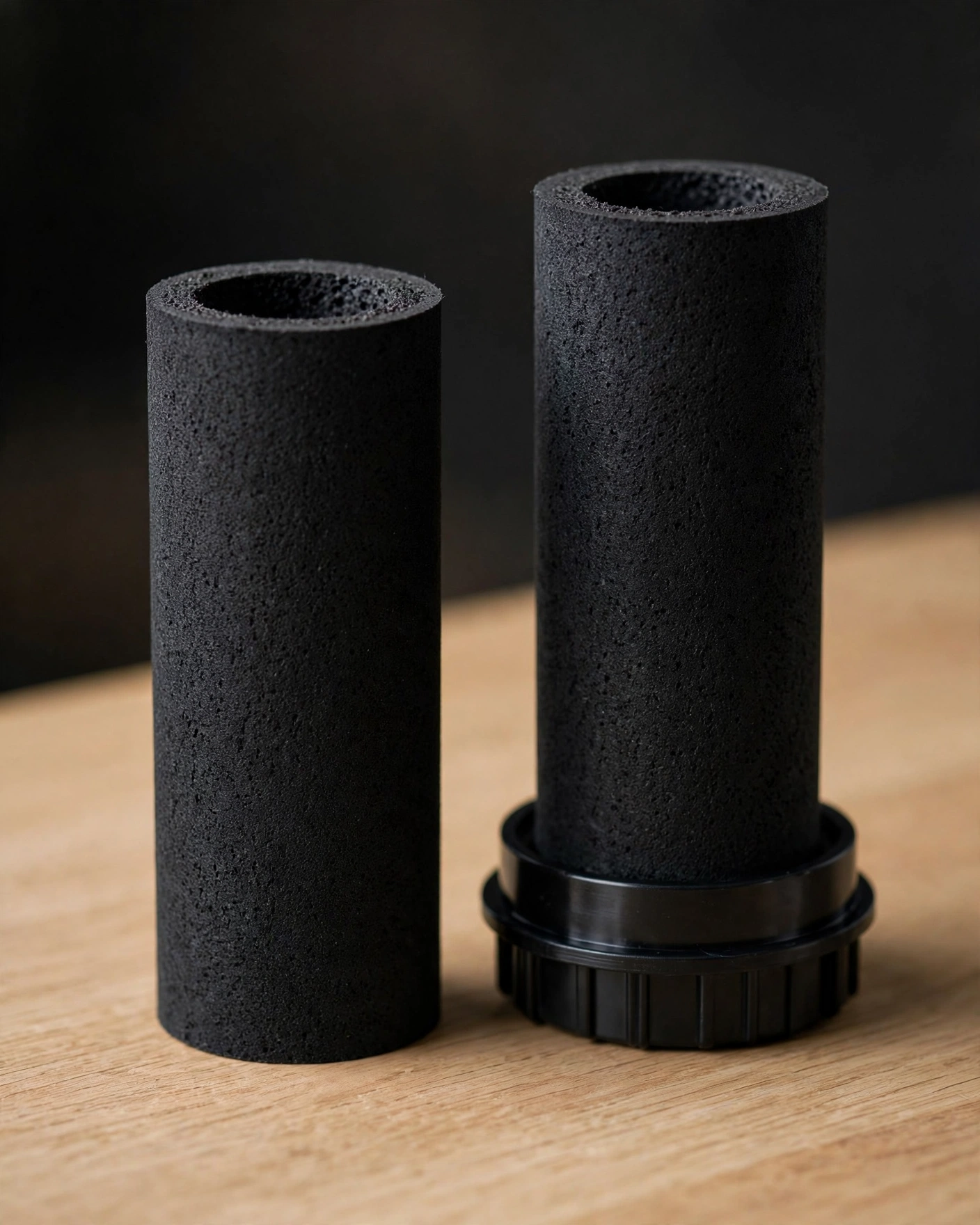
- Same formulation as the old black elements — made by the same manufacturer (Clearbrook); they fit existing Berkey housings.
- Genuinely WQA-certified — NSF/ANSI 42, 401, and 372. Almost no competitor in this category has any certification at all.
- Long filter life — one pair of elements per 12 months, up to 6,000 gallons per element claimed.
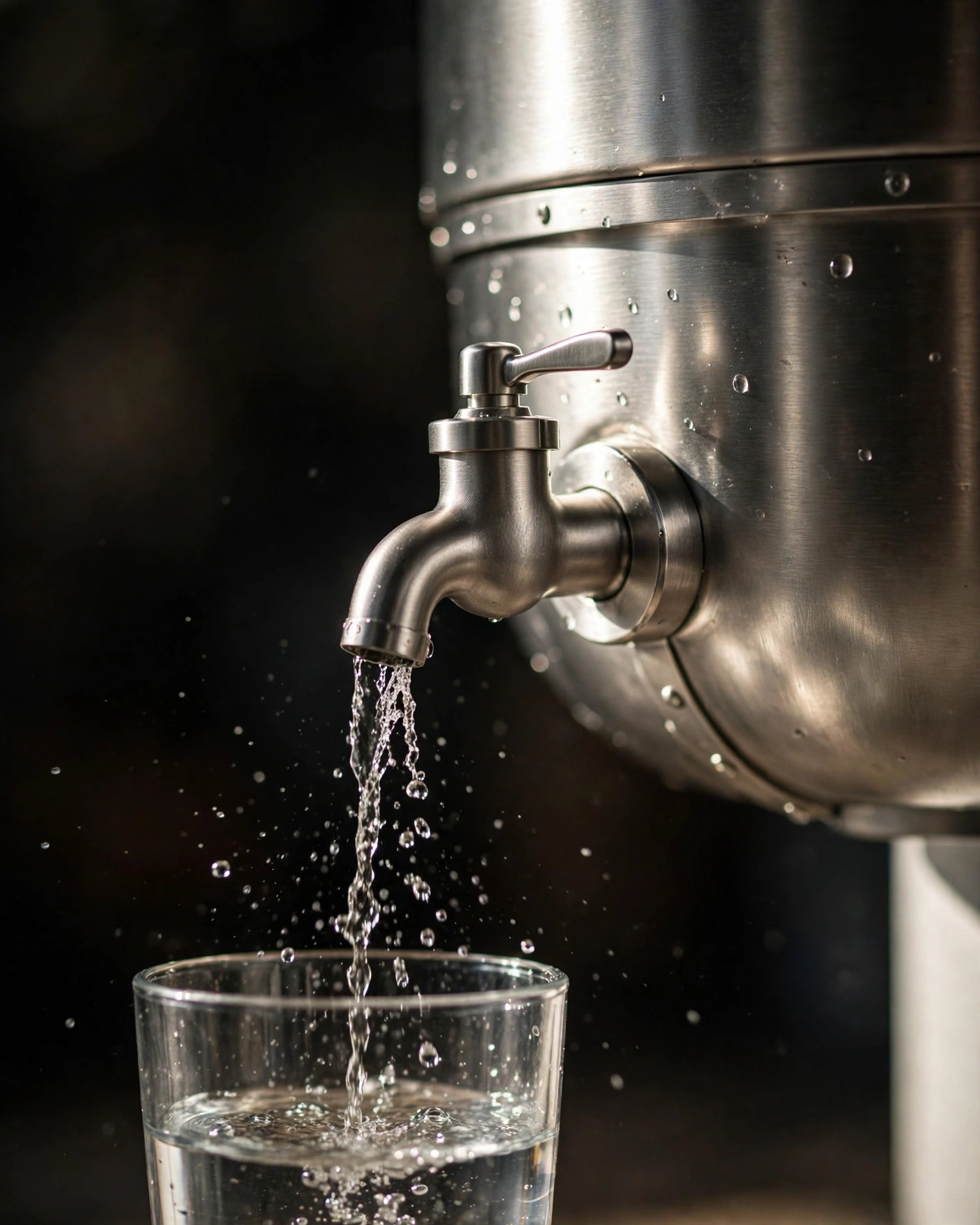
- Better hardware — stainless spigot with ceramic valve, stem-saver rings, seamless chambers, automatic primer included.
- Lifetime chamber warranty — plus a 60-day risk-free trial, per Boroux.
- No power, no plumbing — works in a blackout, a rental, or an off-grid cabin.
Cons
- Expensive — roughly $399 plus about $159 a year in elements (estimates; check live pricing).
- Certifications are narrower than the marketing — no NSF/ANSI 53, so lead and PFAS claims rest on Boroux’s own lab results, not certification.
- Slow real-world flow — about 0.75 gallons per hour measured with two filters, well under the ~2 GPH claimed maximum.
- Published lab results found trace contaminants — 6.9 µg/L cobalt; trace benzene and toluene with the fluoride filters and priming pump (one reviewer’s lab report).
- Tall — 23 inches alone, 29 with the stand. It will not fit under standard kitchen cabinets.
- Not a purifier — not intended for microorganisms, so untreated surface water needs disinfecting first.
- Young brand — launched late 2023; the long-term track record is still being written.
Certifications (database-checked)
Boroux’s own FAQ states its Foundation filters are certified by the Water Quality Association (WQA) to NSF/ANSI 42, NSF/ANSI/CAN 401, and NSF/ANSI/CAN 372. We also checked the NSF database at info.nsf.org on October 20, 2026: a trade-name search for “Boroux” returned zero NSF listings — consistent, since its certifications are through WQA, not NSF.
| Standard | What it covers | Status |
|---|---|---|
| NSF/ANSI 42 | Aesthetic effects — particulates (Class I), chlorine taste/odor | WQA-certified |
| NSF/ANSI/CAN 401 | Emerging compounds — microplastics | WQA-certified |
| NSF/ANSI/CAN 372 | Lead-free materials (not lead removal) | WQA-certified |
| NSF/ANSI 53 | Health effects — lead, VOCs | Not certified |
| NSF P231 | Microbiological water purifiers (bacteria, viruses) | Not certified — not intended for microorganisms |
Two things to understand. First, NSF/ANSI/CAN 372 is about the product’s materials being lead-free — it does not mean the filter is certified to remove lead. Second, Boroux’s broader claims — 80+ contaminants including heavy metals, PFAS, and pesticides — rest on the company’s own third-party lab results, not on certification. Still the manufacturer’s own data: “brand-published lab results,” never “certified.” For a side-by-side of the two leading brands’ certification paperwork, see our Boroux Legacy vs ProOne comparison.
On the purifier question, we checked the NSF P231 listings at info.nsf.org on October 20, 2026 (current to October 19): two manufacturers, four products — all faucet-connected or plumbed-in. No gravity-fed system appeared — nothing here disinfects or makes untreated water safe.
If a seller calls the Boroux “NSF certified to remove lead,” that is not what the listings show. Before buying any filter on a certification claim, check the WQA listings or info.nsf.org yourself — two minutes, and the only way to be sure.
Design and usability
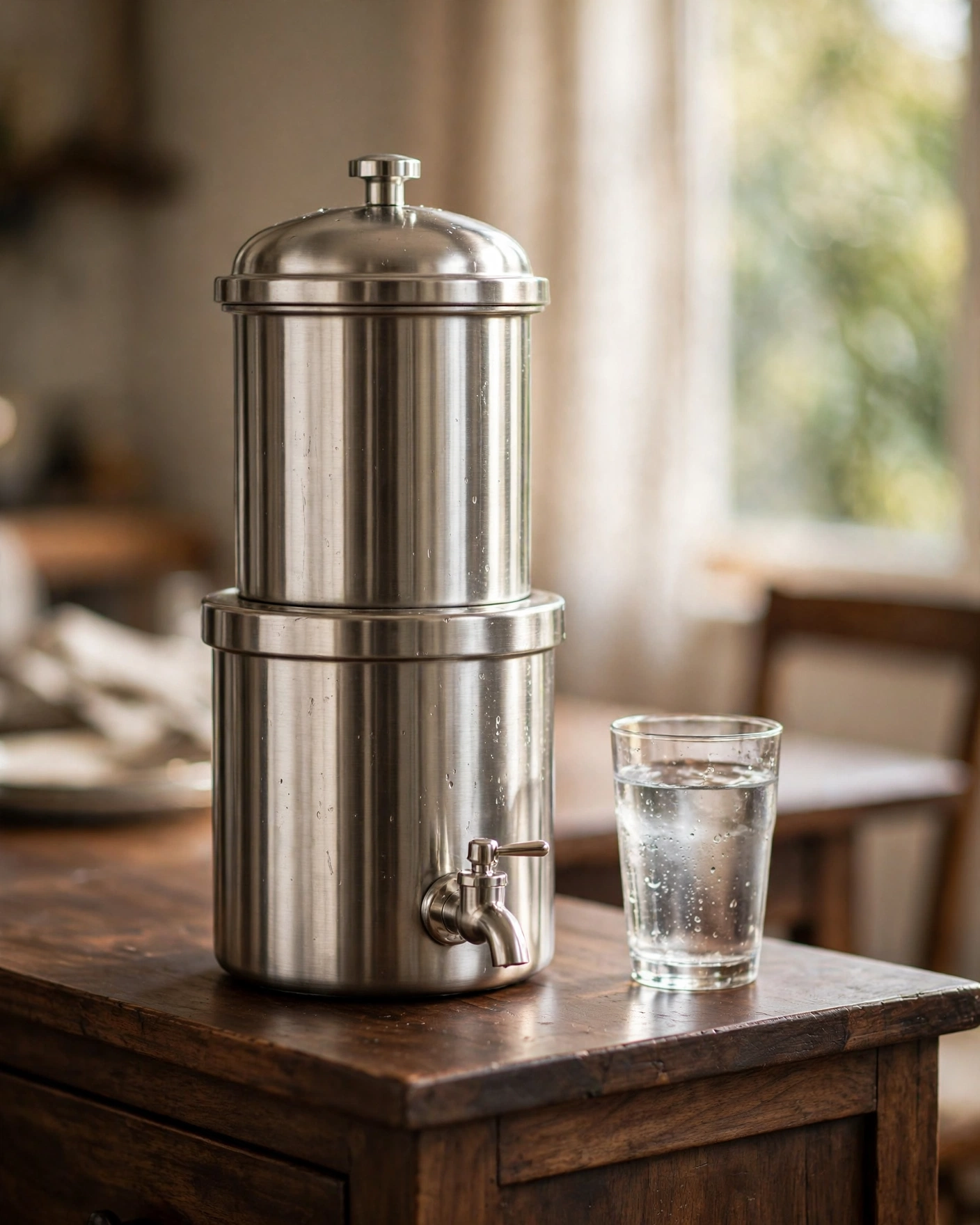
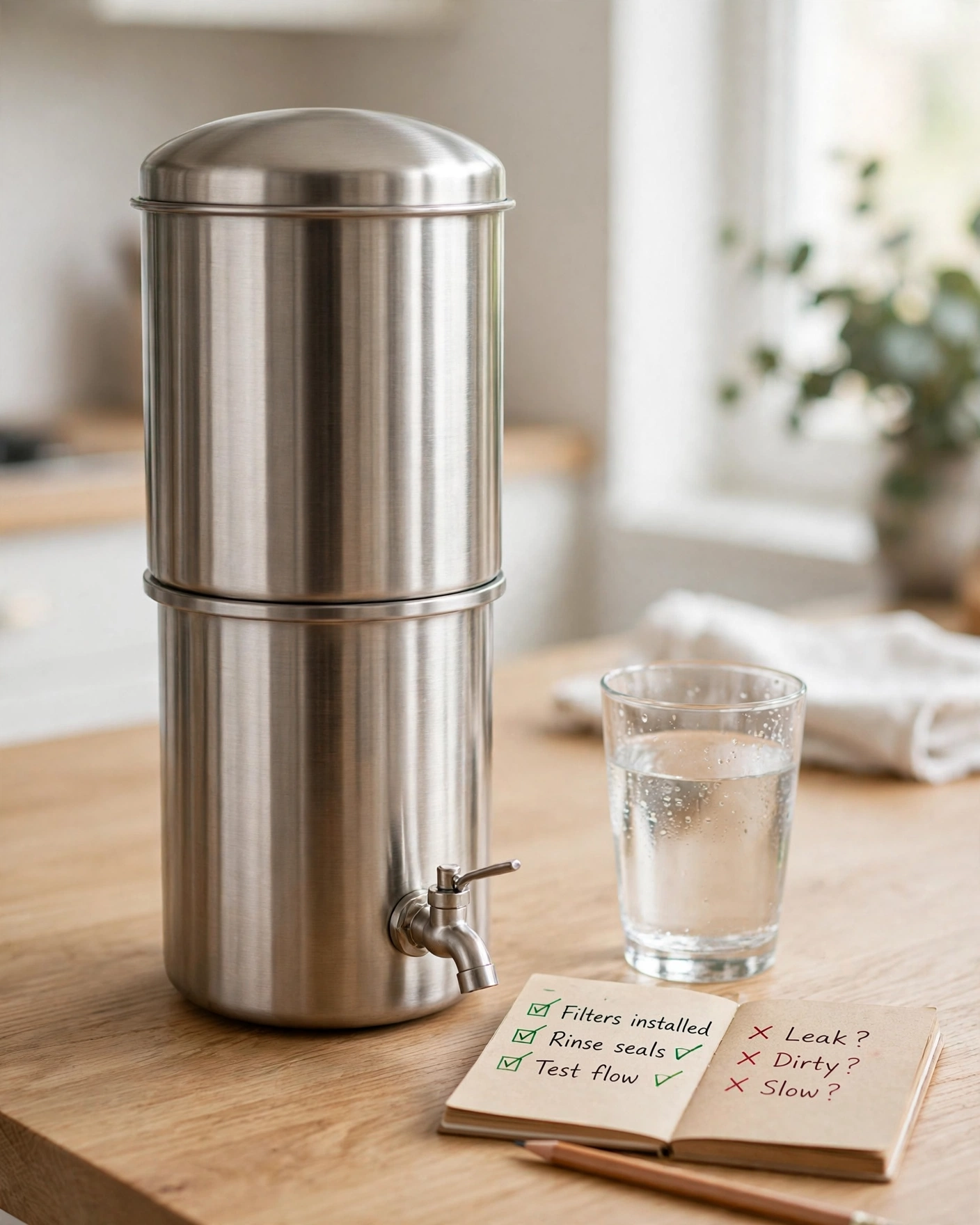
The Legacy is a familiar shape: two stacked 304 stainless chambers with a domed lid, holding 3 gallons total. It stands 23 inches tall and 9 inches wide — 29 with the optional stand — and will not slide under standard kitchen cabinets. Most owners give it a sideboard, a sturdy plant stand, or a counter corner.
The details are where Boroux improves on the classic design: seamless vented chambers, a stainless spigot with ceramic valve instead of crack-prone plastic, and “Stem Saver” rings that stop the old black elements’ stems snapping during cleaning. If you prefer a different stainless design tradition, our British Berkefeld review covers the main alternative.
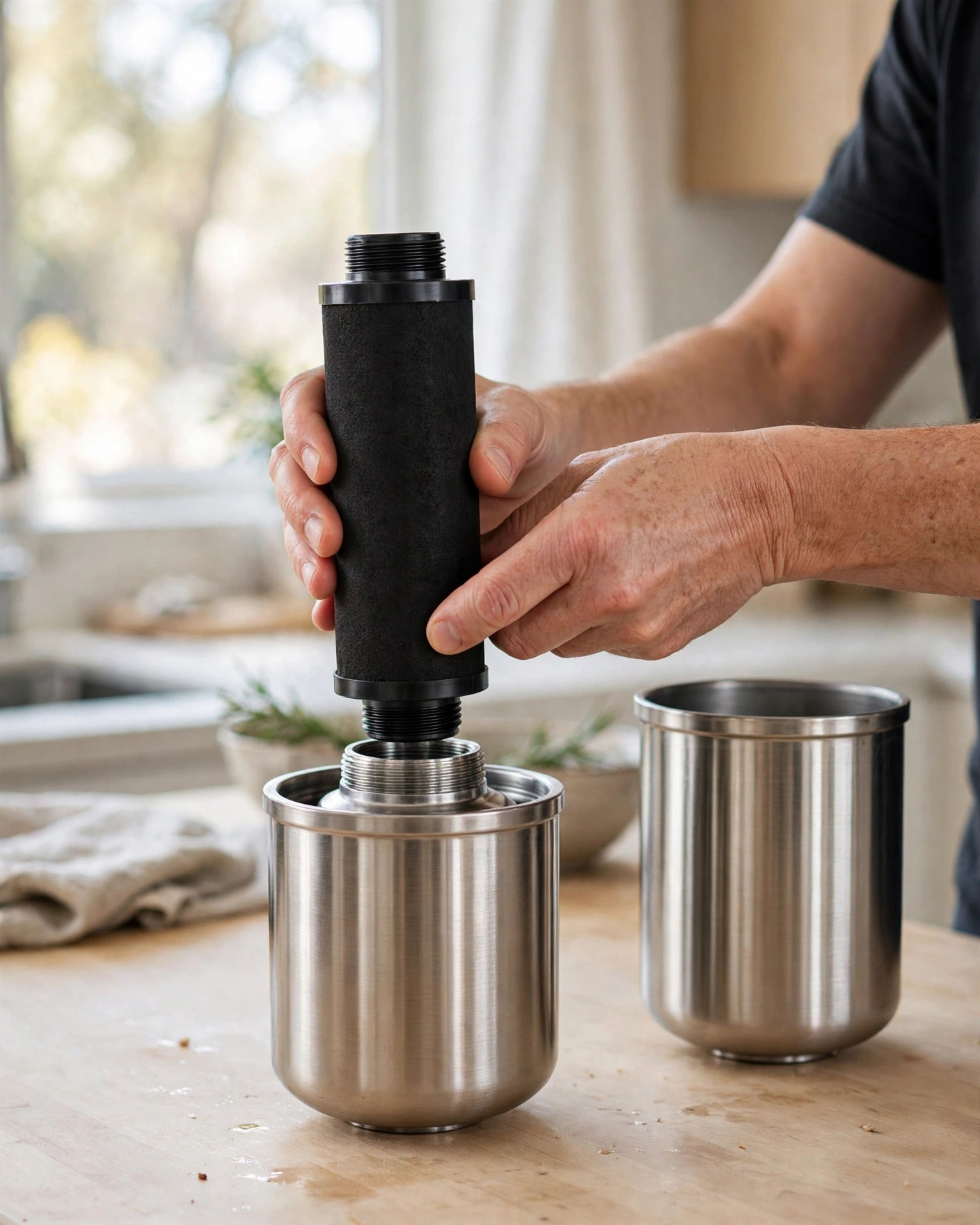
Setup takes an afternoon. Every system ships with an automatic primer (USB-C rechargeable, about 90 seconds per filter, no faucet needed). Priming is not optional: an unprimed element gives cloudy water, a slow trickle, and a shorter life. Scrub the elements with a sponge (no soap) every 3 to 6 months and re-prime after each scrub; wash the chambers monthly.
On flow: Boroux claims about 2 gallons per hour with two filters; one reviewer measured roughly 0.75 GPH — and all gravity filters slow as the upper chamber empties. For a family of four at ~100 oz per person per day, one 3-gallon fill covers the day.
Key specs
- Brand
- Boroux
- Model
- Legacy 3-gallon gravity system
- Capacity
- 3 gallons (11.35 L)
- Dimensions
- 23" H × 9" W (29" with stand)
- Filters included
- 2 × Foundation (expandable to 4)
- Filter life
- 12 months per pair (up to 6,000 gal/element claimed)
- Flow rate
- ~2 GPH claimed max; ~0.75 GPH measured
- Certifications
- WQA: NSF/ANSI 42, NSF/ANSI/CAN 401, NSF/ANSI/CAN 372
- System price
- ~$399 (estimate)
- Replacement pair
- ~$159 (estimate)
Filter cost math
The sticker price is the least important number on this page. What matters is the yearly cost, because every filter is a subscription you pay in replacement elements:
| System | Upfront (est.) | Yearly filters (est.) | 3-year total (est.) |
|---|---|---|---|
| Boroux Legacy (2 Foundation elements) | ~$399 | ~$159 (1 pair / 12 months) | ~$717 |
| ProOne Big+ (2 G2.0 elements) | ~$180–220 | Higher per element, shorter rated life | Often higher than Boroux |
| Brita Elite pitcher | ~$37–45 | ~2 × Elite filter price | Lower, but narrower filtration |
| Bottled water (family of 4) | $0 | ~$2,400 | ~$7,200 |
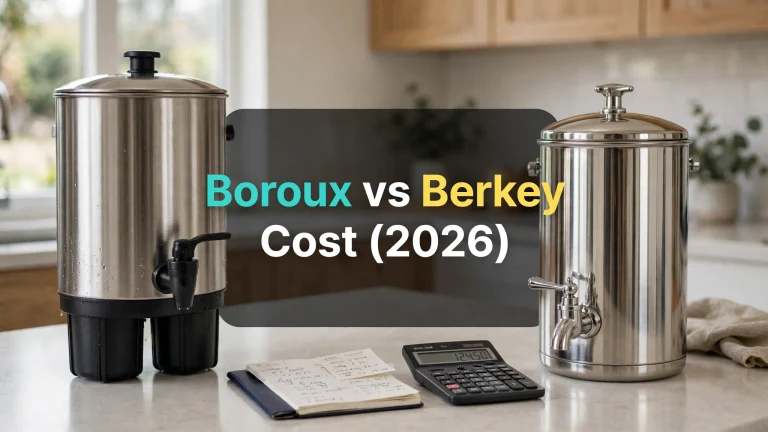
The honest per-gallon math: “$0.014 per gallon” divides the element price by the full 12,000-gallon claimed capacity of a pair. Almost no household uses 12,000 gallons of drinking water in a year. A realistic family uses 700 to 1,200 gallons, and since the elements are replaced on a 12-month clock regardless, the effective cost is roughly $0.13 to $0.23 per gallon — still far cheaper than bottled water (~$1.50/gallon), but not the fantasy number.
The 3-year cost is dominated by the upfront price, not the filters — after year one, about $159 a year, cheap for this category. Caveat: optional Proactive fluoride filters (~$129, rated ~1,000 gallons) change the math — only add them if fluoride reduction is your goal.
What owners complain about
Slow flow that gets slower. The number-one theme: gravity is patient. Roughly 0.75 GPH measured fills glasses fine, but a large pot takes a while — and the stream weakens as the upper chamber drains.
Priming is fiddly. The automatic primer beats the old manual method, but first-time setup trips people up: cloudy water and a weak trickle almost always mean an element wasn’t primed. The fix is to re-prime.
The lab findings. One reviewer’s published lab results found 6.9 µg/L of cobalt in water filtered through new Foundation elements (above the lab’s 2 µg/L guideline), and trace benzene and toluene with the fluoride filters and priming pump in the loop. Single-test findings — not a safety verdict — but a careful buyer deserves to know, and Boroux’s marketing doesn’t mention them.
Who should buy it
Buy it if
- You wanted a Big Berkey and want the closest legitimate successor — same formulation, elements that fit your existing housing, from the old dealer network’s own brand. Comparing the classic names? Our British Berkefeld vs Berkey guide lays out that rivalry.
- You want the strongest certification paperwork in the gravity category — WQA listings to 42, 401, and 372 beat “trust our lab” competitors.
- You like a once-a-year filter change and genuinely low maintenance over fiddly cartridges.
- You need no-plumbing filtration — a rental, a blackout-prone area, or an off-grid cabin.
Skip it if
- You need certified lead or PFAS removal — look for NSF/ANSI 53-certified systems instead; our ProOne Big+ review covers the certified alternative.
- You need microbiological protection — this is a filter, not a purifier.
- You are short on vertical space or budget — 23 to 29 inches tall, and roughly $399 plus ~$159 a year.
- You want fluoride reduction without add-ons — the Foundation elements don’t do it; that’s another ~$129 a year.
FAQs
Is Boroux the same company as Berkey?
No — and Boroux says so itself. The brand was started by James Enterprise Inc., the company that ran BerkeyFilters.com, described as the largest Berkey dealer. Its Foundation filters are made by Clearbrook, the same manufacturer behind the well-known black elements. Background: in May 2023 the EPA issued a stop-sale order on certain silver-containing Berkey filters; in September 2026 the First Circuit affirmed the denial of Berkey’s injunction request (No. 24-1917).
Do Boroux Foundation filters fit in a Berkey system?
Yes — Big, Royal, Imperial, Crown, and Travel Berkey chambers, plus most other gravity-fed systems, per Boroux. That’s why many buyers use them as replacements for an existing steel housing.
What is the Boroux Legacy actually certified to?
Boroux states its Foundation filters are WQA-certified to NSF/ANSI 42, 401, and 372: particulates (Class I), microplastics, lead-free materials. Notably absent: NSF/ANSI 53, the health-effects standard covering lead.
Does the Boroux Legacy remove fluoride?
The standard Foundation filters do not — Boroux’s own FAQ says so. Separate Proactive fluoride filters (~1,000 gallons) add roughly $129 a year.
How much does the Boroux Legacy cost per year to run?
About $159 a year in filters — one pair of Foundation elements every 12 months — on top of the roughly $399 system: roughly $0.13 to $0.23 per gallon for a family using 700 to 1,200 gallons a year. The $0.014-per-gallon figure assumes the full 12,000-gallon claimed capacity, which almost no household uses.
Can I use the Boroux Legacy on untreated well or lake water?
Not as a purifier — Boroux states the Foundation filter is not intended for microorganisms. Disinfect rain, lake, or suspect well water first, then filter.
Is it true published lab results found cobalt in Boroux-filtered water?
One reviewer’s published lab results (Tap Score testing) reported 6.9 µg/L of cobalt in water filtered through new Foundation elements, above the lab’s 2 µg/L health guideline — likely leached from the media. The same review found trace benzene and toluene with the fluoride filters and priming pump. Single-test findings, not a safety verdict — but worth knowing.
Will the Boroux Legacy fit under my kitchen cabinets?
Probably not. It’s 23 inches tall (29 with the stand) — too tall for standard 18-inch cabinet clearance. Most owners use a sideboard or sturdy plant stand. Measure before you order.
Conclusion
The Boroux Legacy is the right buy for one specific buyer: the person who wants a Berkey-style gravity system with the strongest certification paperwork in the category, hardware that fixes the old design’s weak points, and a once-a-year filter change. For that buyer, roughly $399 buys something real: WQA listings almost no gravity competitor can match.
It is the wrong buy if you need certified lead or PFAS removal, microbiological protection, or a compact footprint — and the broader the contaminant claims get, the more you should remember that only three narrow certifications sit behind them. Know which buyer you are, and the choice makes itself.
Prices change often — check the live price before you buy.
Update log
- Zulqarnain: Review published.