How to Test Water for PFAS (2026)
Guide
PFAS testing starts with an uncomfortable fact: the federal limits for the two best-known forever chemicals sit at 4 parts per trillion. That is a scale where a home test gadget cannot follow — no strip changes color at parts per trillion, no meter reads that low, no drop kit resolves it. Every legitimate PFAS result on Earth comes from the same place: a laboratory running liquid chromatography–mass spectrometry (LC-MS) on a carefully collected sample. The good news is that “laboratory” no longer means driving to one — you sample at your own tap and mail it in.
The short answer: order a PFAS panel from a certified lab (mail-in kits count — the analysis is the same), follow the kit’s contamination rules to the letter, and insist the report goes down to low single-digit parts per trillion per compound. Anything marketed as an instant at-home PFAS test is not measuring PFAS.
Table of Contents
Quick verdict
The kits in our PFAS water test kit roundup send your sample to certified labs running EPA methods — that is the correct and only route, and it typically costs in the $200–400 range as a 2026 estimate. Test first if you are on a private well near a military base, airport, fire-training site, landfill, or fluorochemical industry, or if your utility’s own monitoring has already flagged detections. On city water, check your utility’s published results before paying: many systems have already tested, and their numbers are free.
Should you test at all?
PFAS were engineered to repel water, oil, and stains — and that durability is the problem: they barely degrade, so decades of use in firefighting foams, coatings, and industrial processes have distributed them into soil and groundwater. Risk is geographic, not random. Testing makes the most sense when your water comes from a well near known sources (bases and airports used PFAS foams for years), your region has documented detections, or you simply have no data and a household that includes children. Two free checks come first: your utility’s Consumer Confidence Report and any published UCMR5 or state monitoring results — large systems have been required to sample for PFAS under federal monitoring programs, and many states run their own well-testing efforts, sometimes free for residents near known sites.
The only method that works
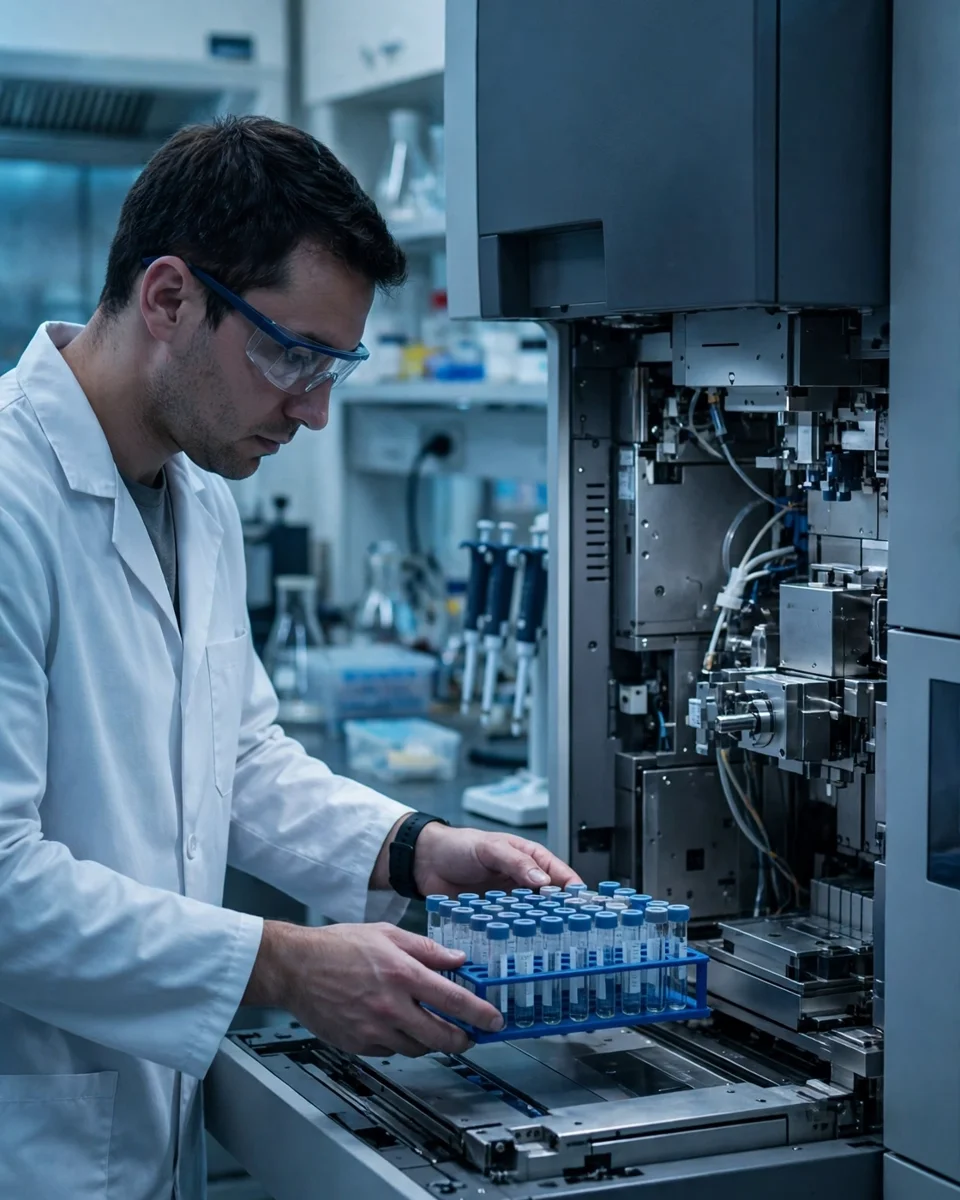
Certified labs measure PFAS with EPA drinking-water methods — principally Method 533 and Method 537.1 — which separate individual compounds and count them with a mass spectrometer down to reporting limits around 2–4 parts per trillion. That resolution matters, because the 2024 federal drinking-water standards set the maximum contaminant level for both PFOA and PFOS at 4.0 ppt each (with limits for a few more compounds besides, and a goal of zero for PFOA/PFOS). A report that only says “PFAS: not detected above 50 ppt” is not evidence of safety against a 4 ppt limit — before ordering, confirm the lab’s reporting limits per compound sit in the low single digits. This is the same wall described in our test strip accuracy guide: at ppt scale, there is no home instrument, and any product implying otherwise is selling the impression of a test.
Sampling without contaminating
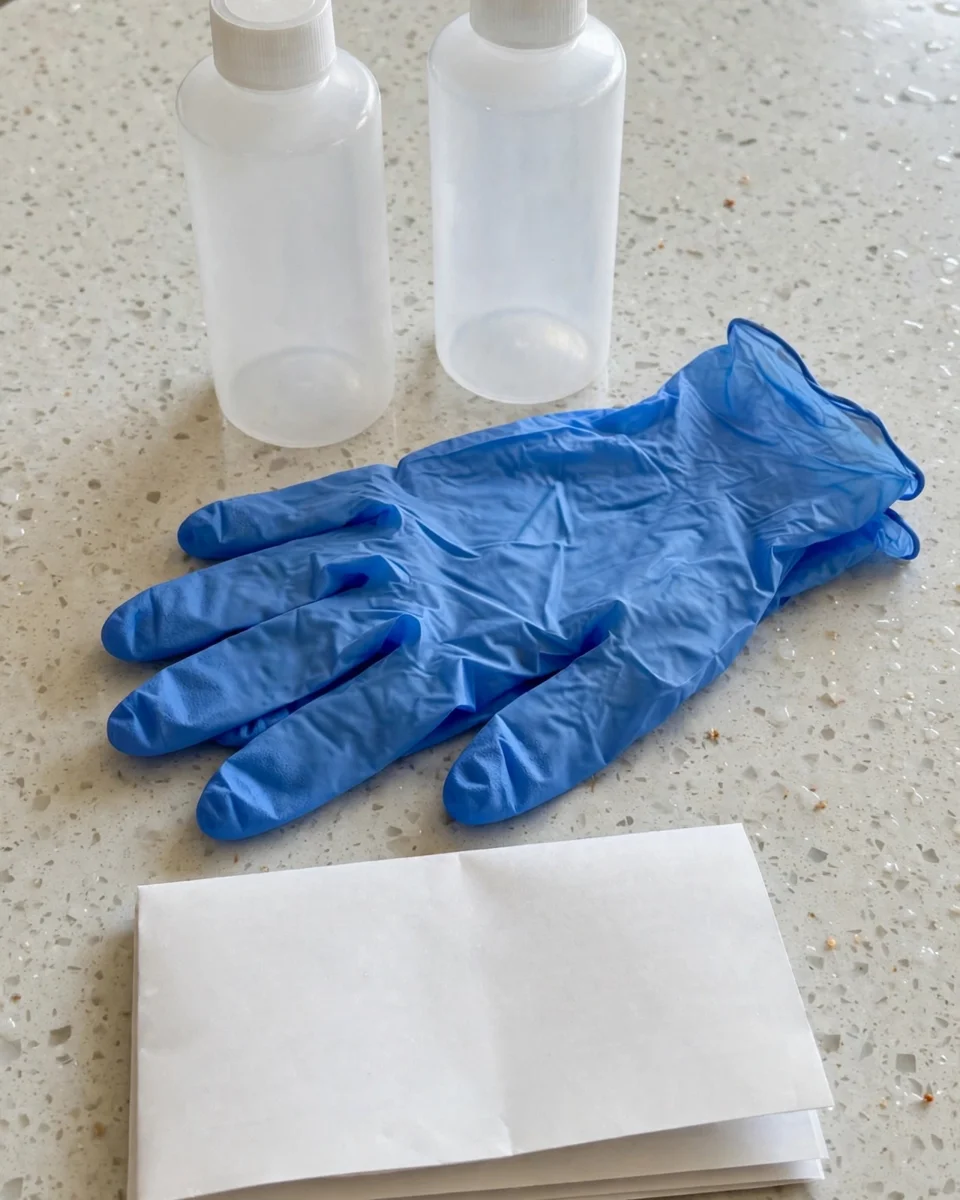
PFAS sampling has a twist no other test in this series has: at parts per trillion, you are a meaningful contamination source. The kit’s rules sound fussy because they are earned — follow yours exactly; the typical shape of them:
- Use only the kit’s bottles (polypropylene or HDPE, prepared by the lab). Never a glass jar from the kitchen or a reused bottle.
- Wear the provided nitrile gloves, and keep hands away from the bottle mouth and cap interior.
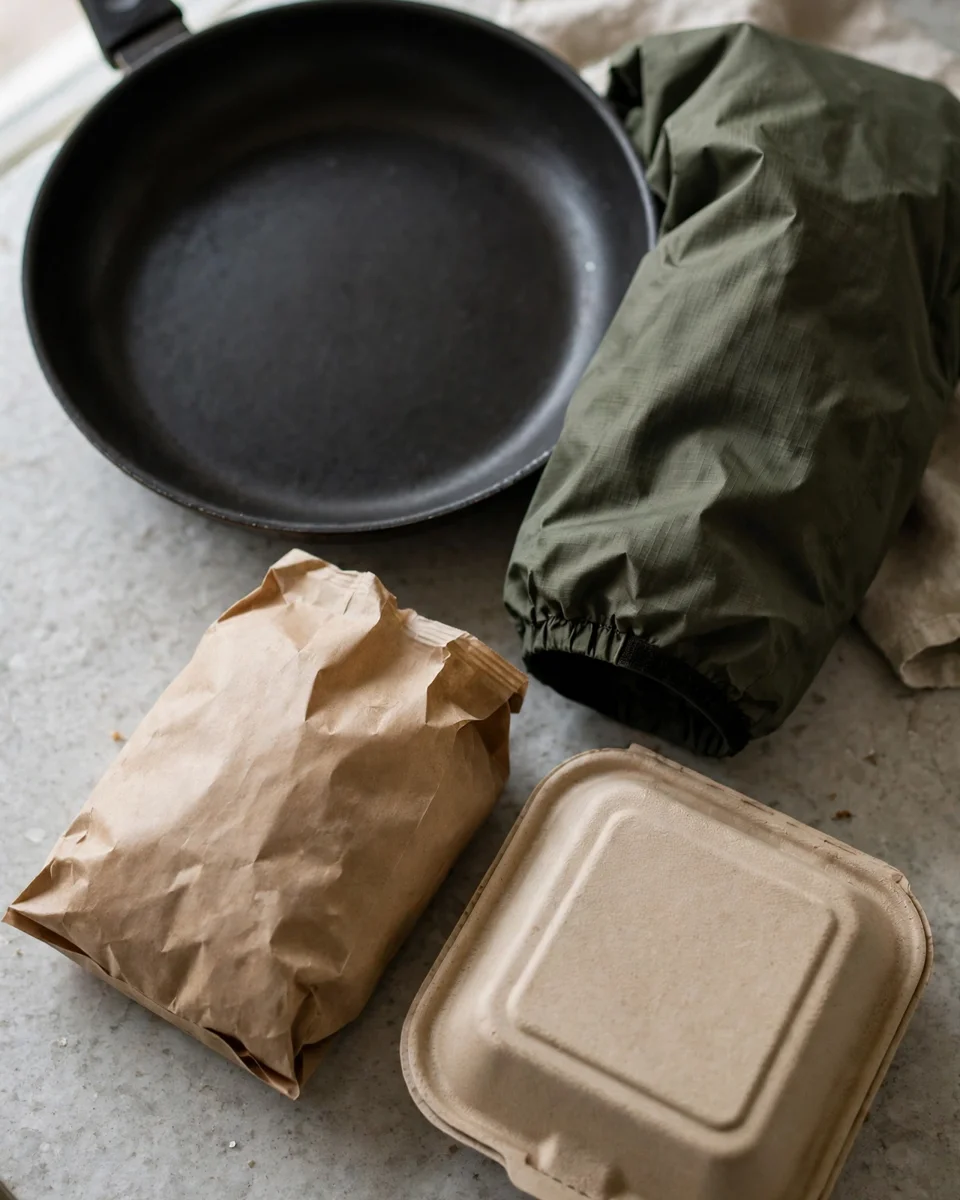
- Avoid PFAS-bearing items on sampling day: no waterproof or stain-resistant clothing, no cosmetics, sunscreen, or insect repellent on your hands, no fast food or packaged snacks before sampling (the wrappers are a classic PFAS source).
- Keep Teflon (PTFE) away — no PTFE tubing, tape, or containers anywhere in the sampling path.
- Sample the cold tap, let it run as the instructions direct, fill, cap, chill, and ship promptly — most kits are designed around overnight return.
Reading the report
A proper PFAS report lists individual compounds with individual numbers — PFOA, PFOS, PFHxS, GenX chemicals, and typically a dozen or more others — each in parts per trillion, each with its own reporting limit, plus “ND” (not detected) where nothing was found above that limit. Read it against the federal reference points: 4.0 ppt MCLs for PFOA and PFOS; 10 ppt for PFHxS, PFNA, and HFPO-DA (GenX); and a hazard-index approach for certain mixtures. A total-PFAS figure, if the lab offers one, sums detections and is useful context, but the regulated decisions live at the individual-compound level. If your utility tests, its results appear on the same scale — which makes home and utility numbers directly comparable, one of the quiet advantages of everyone being forced onto the same lab methods. The general home-vs-lab framing is in our home water test vs lab test guide.
If PFAS shows up
Sensible next steps
- Confirm with a second sample if the level is near a limit — ppt-scale results deserve verification, especially private-well ones.
- Filter drinking and cooking water with a system certified for PFAS: carbon products carrying an NSF/ANSI 53 PFAS claim, or reverse osmosis under NSF/ANSI 58 — certified-model framing matters more than technology.
- Report well results to your local health department; clusters of private-well data are how contamination plumes get mapped.
- Ask your utility what treatment or blending they have planned if their numbers are elevated — the 2024 rule sets compliance timelines.
Dead ends
- Boiling — PFAS does not break down at kitchen temperatures, and boiling concentrates it as water leaves.
- Letting water “sit out” — nothing evaporates or settles; these are dissolved, stable compounds.
- Basic pitcher filters with no PFAS certification — uncertified carbon may catch some, but “some” at ppt scale is unverifiable at home.
- Retesting with a strip or a TDS meter to “check the filter” — neither can see PFAS at any level; filter performance is judged by re-running the lab test on filtered water.
Conclusion
Testing water for PFAS is a laboratory procedure that happens to start at your kitchen tap. The recipe is fixed: a certified lab running EPA methods 533 or 537.1, a kit-supplied bottle, gloves on, contamination sources kept away, and a report that names individual compounds down to a few parts per trillion. Against limits of 4.0 ppt, nothing quicker or cheaper can see the target at all. If your geography or your utility’s data gives you a reason, the mail-in route makes the real test a week of waiting — not a research project.
Update log
October 2026: Guide published; limits per the EPA’s 2024 PFAS National Primary Drinking Water Regulation (PFOA/PFOS MCL 4.0 ppt); methods per EPA 533/537.1. No removal-percentage claims are made for any consumer filter brand.
FAQs
Is there an at-home PFAS test that works instantly?
No. PFAS limits sit at parts per trillion, and no strip, drop kit, or handheld meter can measure at that scale — the chemistry does not exist in a consumer format. Every valid PFAS test is a lab analysis using LC-MS (EPA methods 533 or 537.1). “At-home” PFAS kits are real only in the sense that you collect the sample at home and mail it to that lab.
How much does a PFAS water test cost?
As 2026 estimates, a certified-lab PFAS panel ordered directly or by mail-in kit typically runs about $200–400, reflecting the cost of mass-spectrometry time. Before paying, check whether your utility has published PFAS results for your system, or whether your state offers free well testing near known contamination sites — both happen more often than people expect.
What PFAS level is considered unsafe?
The EPA’s 2024 drinking-water regulation sets enforceable limits of 4.0 parts per trillion for PFOA and for PFOS individually, with a health-based goal of zero for both. Several other PFAS carry limits of 10 ppt or a combined hazard index. Any confirmed detection above those levels in drinking water calls for treatment or an alternative source, and any detection at all is information worth having for a private well.
Can a water filter remove PFAS?
Yes — the right ones, verifiably. Look for certification on the specific model: an NSF/ANSI 53 claim for PFAS reduction on carbon products, or NSF/ANSI 58 for reverse osmosis systems. Because no home tool can measure PFAS, the honest way to confirm a filter works is a follow-up lab test on the filtered water — which certified performance claims are designed to make unnecessary, but data beats faith.
Why does the sampling kit have so many clothing and food rules?
Because the measurement is so sensitive that your own routine can contaminate it. Waterproof jackets, cosmetics, sunscreen, and grease-resistant food wrappers all carry PFAS; at parts per trillion, handling a wrapper before filling the bottle can add a detectable amount that never came from your water. The rules exist so the result describes your well — not your lunch.
Should I test if I am on city water?
Start by reading, not paying. Public systems monitor for PFAS under federal and state programs, and results appear in Consumer Confidence Reports and state databases. If your system reports non-detects at low reporting limits, a home test adds little. If results are elevated, missing, or your home has old plumbing questions layered on top, a certified home sample gives you your own tap-level number.