
Brita vs ZeroWater (2026): Which Should You Buy?
Your tap water has that faint swimming-pool taste, or you have read about lead in older plumbing. So you search — and the two names that always come up are Brita and ZeroWater. They look identical on the shelf: a pitcher, a filter, a lid. They are not the same product.
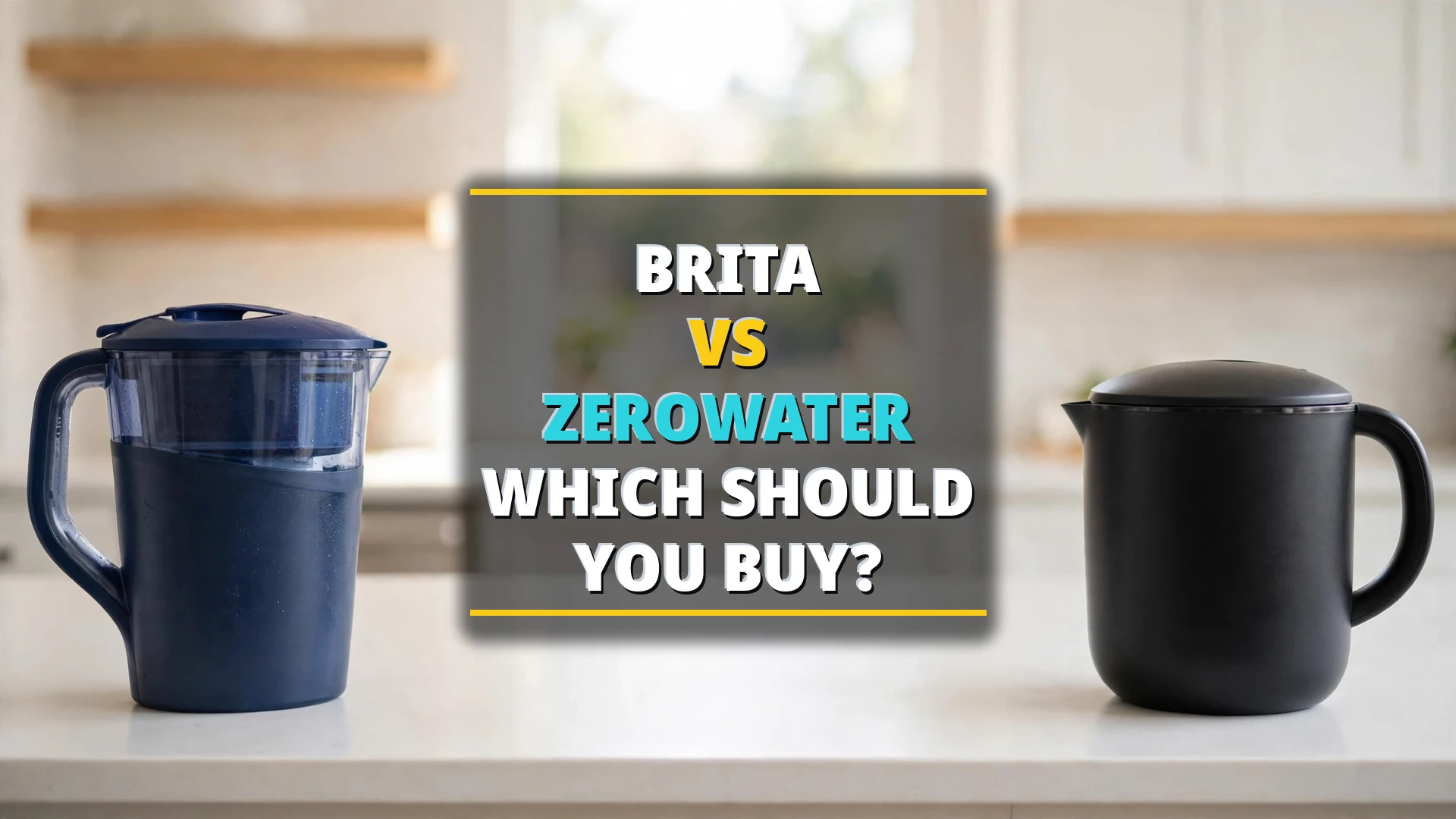
Here is the short answer. Brita filters make ordinary tap water taste better, keep the minerals in, and run cheap with long filter life. ZeroWater filters strip almost everything out of the water until a meter reads 000 — and you pay for that ambition every few weeks in replacement filters. This comparison covers the two philosophies — certifications, yearly cost, and what owners report — so you can pick the pitcher that matches your water, not the loudest marketing.
The purity specialist
ZeroWater 10-cup pitcher
~$35–44
The most thorough filtration a pitcher can do — 5-stage filtration to near-zero TDS with IAPMO-listed reductions including PFOA/PFOS — but filters can need swapping every 2–4 weeks in hard water.
Our pick for most households
Brita Elite pitcher
~$35–41
The everyday workhorse — certified lead reduction with the Elite filter, minerals retained, and two filter changes a year at roughly $30–80 a year in filters.
Quick verdict
The bottom line: these pitchers solve different problems. Brita is the everyday workhorse — cheap to buy, cheap to run, two filter changes a year, familiar-tasting water. ZeroWater is the purity specialist — near-zero dissolved solids and strong certified reductions, but short filter life and far higher yearly costs.
Verdict: most households should buy Brita. Buy ZeroWater only if you specifically want maximum filtration and accept the filter bill.
Table of Contents
Side-by-side comparison
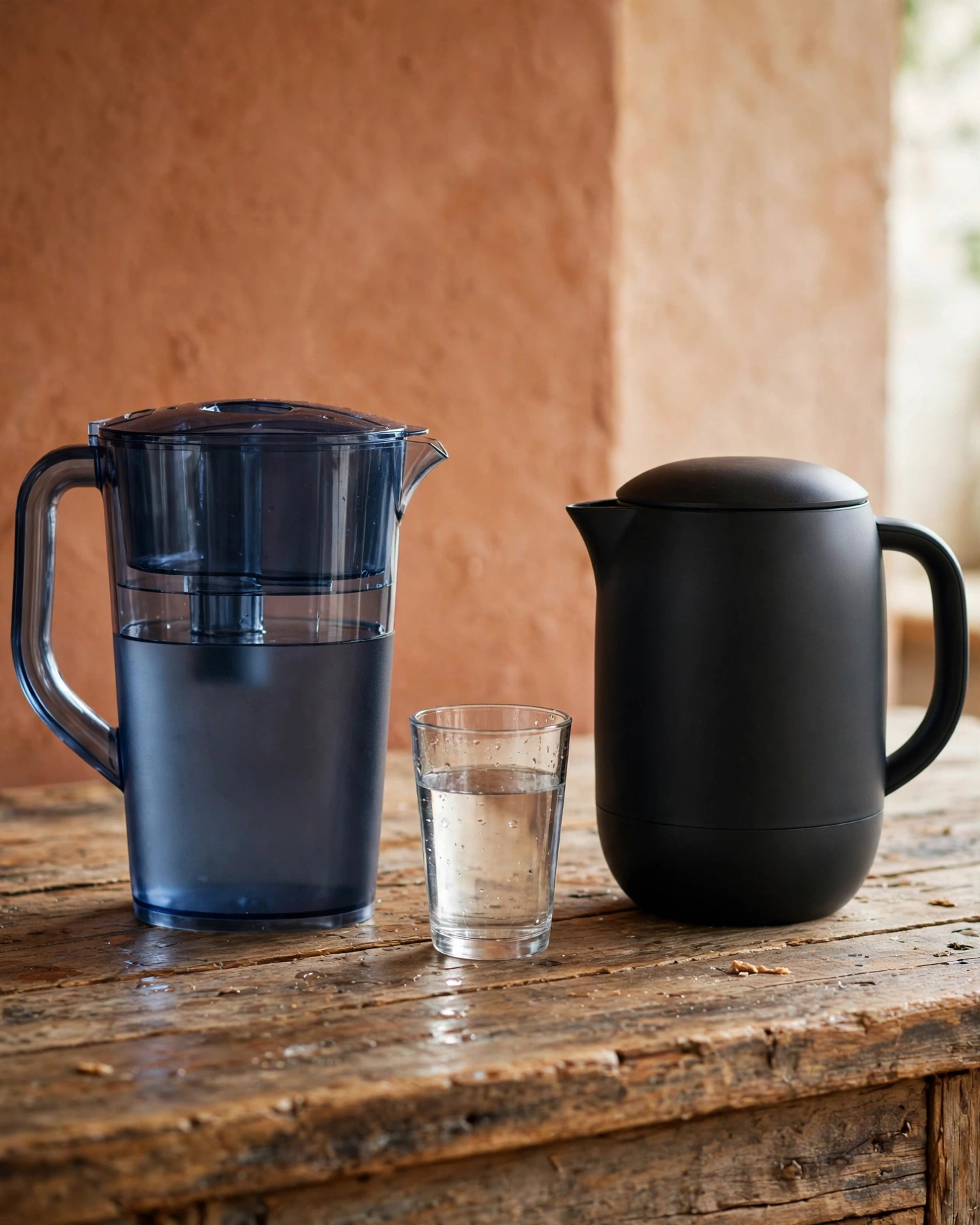
Spec for spec, here is how they compare. The Brita column uses the Elite (OB06) filter — Brita’s strongest pitcher filter.
| Feature | Brita (Elite OB06 filter) ★ Winner | ZeroWater 5-stage |
|---|---|---|
| Filter technology | Activated carbon + ion exchange, single cartridge | 5-stage ion-exchange system |
| Certifications | WQA-listed NSF/ANSI 42, 53 (incl. lead) and 401 | IAPMO-listed NSF/ANSI 42 and 53 (lead, chromium, mercury, PFOA/PFOS) |
| Filter life | ~120 gal / ~6 months (Elite); ~40 gal / ~2 months (Standard OB03) | Estimated ~15 gallons; the TDS meter decides |
| Change signal | Lid indicator / gallons / months | TDS meter reads 006 |
| Minerals | Retained — water tastes familiar | Removed — 0 TDS, can taste flat |
| Pitcher price (estimate) | ~$28–41 | ~$35–44 |
| Yearly filter cost (estimate) | ~$30–80 | $240–960 (TechGearLab estimate) |
| Best for | Everyday taste improvement, low running cost | Maximum filtration per pitcher, hard water |
Prices are street estimates from October 2026 listings and they move; filter life figures are the manufacturers’ rated numbers, and your local water changes them.
Adding PUR to the mix? Our three-way Brita vs PUR vs ZeroWater comparison scores all three on this same table.
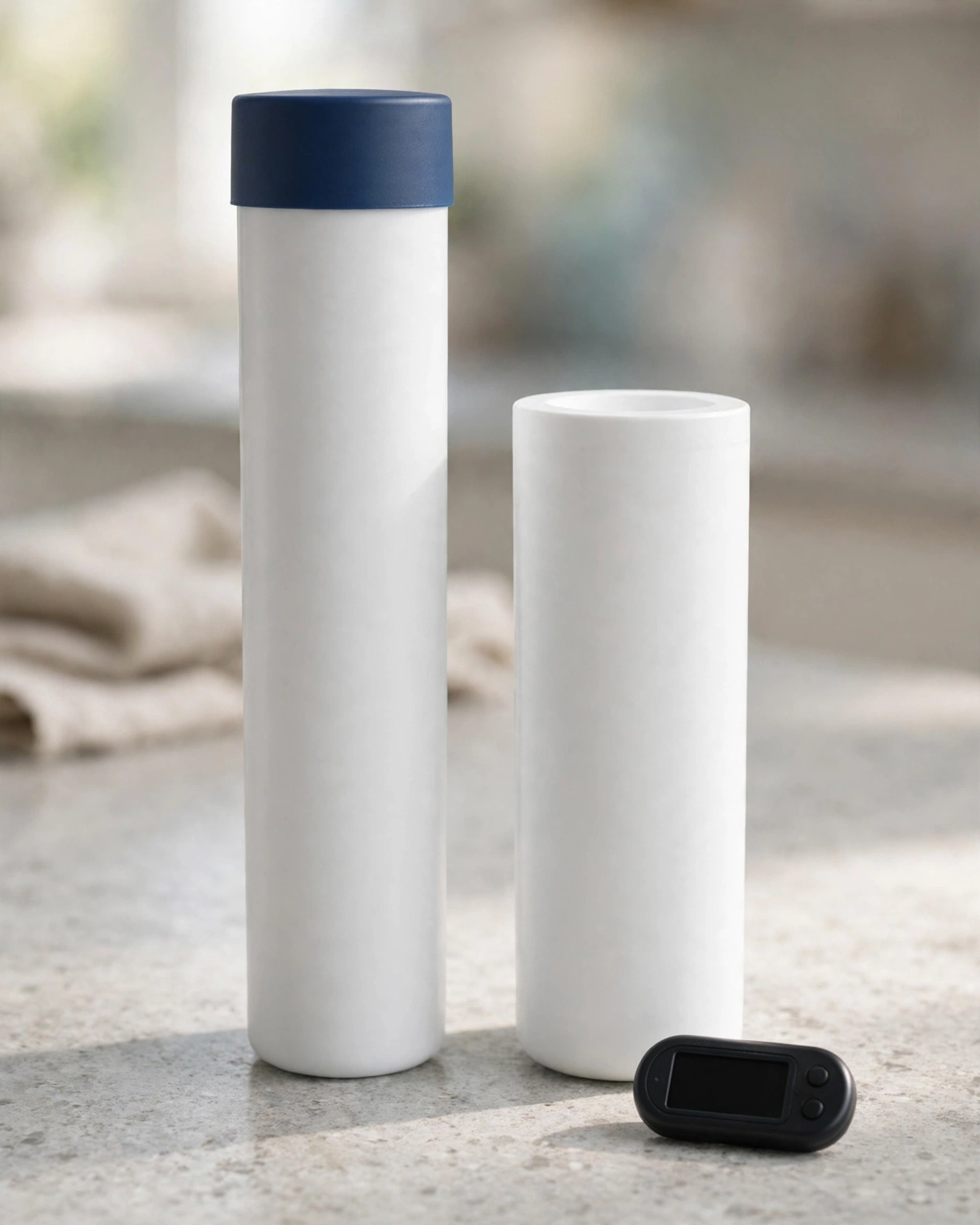
Certifications
Certifications are where paper beats marketing: both brands test against the same NSF/ANSI standards but certify with different bodies and cover different lists.
Brita
The Elite filter (model OB06) is listed by WQA against NSF/ANSI 42, 53, and 401. Per Brita’s published Performance Data Sheet, the listed reductions include lead (99.5% or better under test conditions), mercury, cadmium, asbestos, benzene, chlorine taste and odor, and a Standard 401 emerging-compounds panel. That sheet backs the “reduces 99% of lead” line on the box — a certified claim, not a boast. The Standard filter (OB03) sits one tier down: its listings are narrower and do not include lead. If lead reduction is your reason for buying, the Elite is the Brita to buy.
ZeroWater
ZeroWater’s 5-stage filter is certified by IAPMO R&T against NSF/ANSI 53 and 42, with listed reductions of lead, chromium, mercury, and PFOA/PFOS, plus chlorine taste and odor. Filter life is an estimated 15 gallons; the included TDS meter is the change signal — swap at 006.
The TDS warning
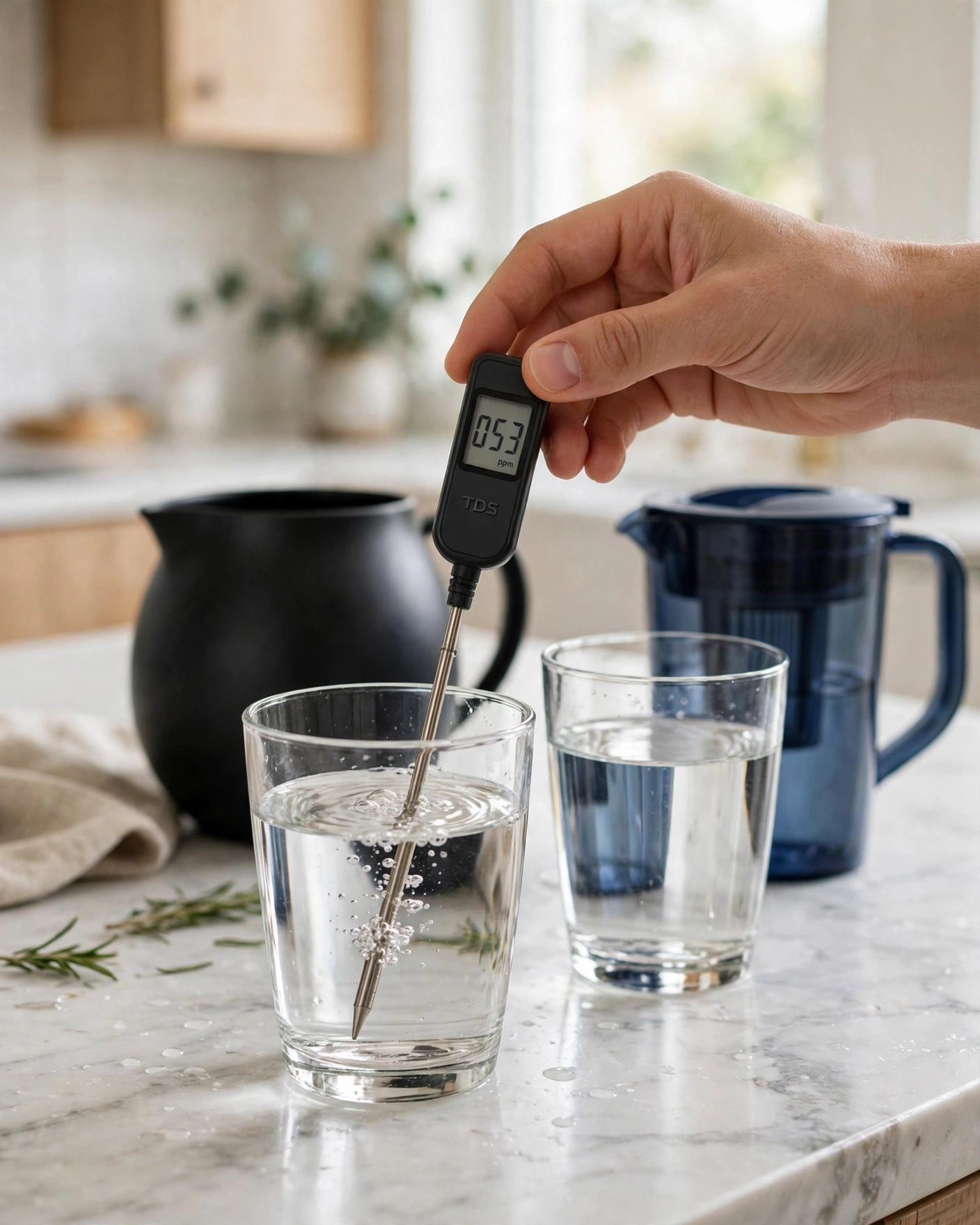
One thing must be said plainly: TDS — total dissolved solids — is not a safety metric. ZeroWater’s own materials define TDS as the metals, minerals, salts, and ions dissolved in water. A 000 reading means those solids are gone, minerals included. It does not prove any specific contaminant was reduced — the certification listings are the only third-party check of that.
A listing covers only the contaminants named in it, under the certifier’s test conditions. If your concern is not on either list, neither pitcher is the right product — check the public databases (info.nsf.org, IAPMO) before you buy.
The Elite’s closest rival on certified lead claims is arguably PUR, not ZeroWater. Our Brita Elite vs PUR Plus comparison runs the same listing check.

Cost per year
The pitcher price is the cheap part; the subscription is the filters — where the brands separate by an order of magnitude.
| Item | Brita (Elite pitcher) | ZeroWater 10-cup pitcher |
|---|---|---|
| Pitcher upfront (estimate) | ~$35–41 | ~$35–44 |
| Filter rated life | 120 gallons / ~6 months | Estimated ~15 gal (meter decides) |
| Filters per year (typical) | ~2 | Varies — every 2–4 weeks in hard water |
| Estimated yearly filter cost | ~$30–80 | $240–960 (TechGearLab estimate) |
Two long-life Elite filters a year put most households around $30–80 in filters annually at street prices, with multipacks pushing toward the bottom of that range. The filter bill never becomes a line item you think about.
ZeroWater’s math is the catch. With an estimated 15-gallon filter life and hard-water owners swapping every two to four weeks, costs stack fast. TechGearLab — an independent review lab, not the brand — estimates a two-person household spends about $240 a year on ZeroWater filters at 40 gallons a month, rising to about $960 a year at 120 gallons a month. That is their estimate, not a promise, and your number depends on your starting TDS — but the direction is not in doubt: ZeroWater is the most expensive pitcher here to run.
PUR lands between these two on yearly cost — our Brita vs PUR comparison runs the same math for that pairing.

Owner voices
Specs tell you what a filter is rated to do; owners tell you what it is like to live with. These are the themes that repeat across listings, forums, and owner posts for each brand — paraphrased, but consistent.
Brita owners
Black specks in the first pitchers. The single most repeated Brita complaint: tiny black particles in the first few pitchers from a fresh filter. The manufacturer calls them harmless carbon fines; the fix is to rinse and soak the new filter and discard the first pitchers.
Lid and spout fit. A persistent minor thread: the lid does not always seat perfectly, and some owners report drips when pouring a full pitcher.
Filter life versus hard water. The 6-month Elite rating assumes average water; owners in hard-water, high-sediment areas report slower flow and off taste before it is up. Replace by the indicator, not the calendar.
ZeroWater owners
Filters die fast in hard water. The dominant ZeroWater theme: owners in hard-water areas report far shorter filter life than expected — swaps every two to four weeks — and the filter bill is the surprise. There is no fix; it is ion-exchange physics.
Sour or off taste means change now. A spent ZeroWater filter does not fail silently: owners report sour, acidic, or fishy tastes and smells once the resin is exhausted. 006 on the TDS meter means the filter is done.
Flat taste, slow filtering. Some owners find 0-TDS water flat next to mineral-retaining filters, and ZeroWater filters noticeably slower than Brita. Owners on hard, metallic-tasting water love the purity anyway; owners on good city water often switch back.
The same hard-water complaints show up in every ZeroWater matchup — our PUR vs ZeroWater comparison collects those owner themes too.
Which should you buy?
The bottom line: buy Brita for better-tasting water at the lowest yearly cost with minerals intact. Buy ZeroWater for the most thorough filtration a pitcher can deliver — accepting filter replacements as a real, recurring expense.
The deciding question is not “which brand” but what your water needs: taste improvement, or maximum filtration?
Choose Brita if
- You want better-tasting water without a filter bill that stings.
- You like minerals in your water and want them to stay.
- You want certified lead reduction (Elite filter) at pitcher prices.
- You hate swapping filters — two Elite changes a year is enough.
Choose ZeroWater if
- You want the most thorough filtration a pitcher can do.
- Your water is hard or metallic-tasting and you want it neutral.
- You like the TDS meter ritual — a number that says the filter works.
- The filter bill does not bother you — $240 a year is fine; $960 would not shock you.
Prices change often — see the live price before you buy.
FAQs
Which is better, Brita or ZeroWater?
Neither is better in the abstract. Brita wins for everyday drinking water — it cuts chlorine taste and odor, keeps the minerals, and costs far less per year. ZeroWater wins if you want the most thorough filtration a pitcher can do, including certified PFOA/PFOS reduction, and you accept short filter life and high running costs.
Does Brita remove lead?
Only with the Elite filter: the Elite (OB06) is listed to NSF/ANSI 53 for lead reduction, per Brita’s Performance Data Sheet; the Standard (OB03) is not. If lead is your main concern, test your water first, then buy the filter whose listing covers it.
Is 0-TDS water safer than Brita-filtered water?
No — TDS is not a safety metric. A TDS meter counts everything dissolved in the water, including harmless minerals and salts, so a 000 reading only proves dissolved solids are gone. Judge both pitchers by their certification listings, not by meter photos.
Why do ZeroWater filters need changing so often?
Because the filter’s ion-exchange resin has a fixed capacity and every dissolved solid uses some of it up. The brand rates the filter at an estimated 15 gallons, and hard-water owners often swap every two to four weeks. TechGearLab puts the yearly filter cost at about $240 for a two-person household, rising toward $960 at heavy use.
Which one tastes better?
It splits by person. Brita water keeps its minerals, so it tastes familiar — most people just notice the chlorine note is gone. ZeroWater tastes neutral and clean to some and flat to others, because almost nothing is left in it. If your tap tastes metallic or bitter, ZeroWater’s blank-slate taste is the point; if you like mineral water’s taste, Brita is safer.
Can I use Brita filters in a ZeroWater pitcher, or the other way around?
No. Each pitcher takes its own proprietary cartridge — a Brita cartridge will not seat in a ZeroWater pitcher, and a ZeroWater filter will not fit a Brita. Whichever brand you pick, buy its genuine multipacks; that is where the per-filter price drops.
Update log
- Zulqarnain: Review published.