
Do Water Filter Pitchers Remove PFAS (2026): What the Evidence Says
Guide
PFAS headlines have sent a lot of people to the same hopeful question: is the pitcher already in my fridge doing anything about this? The honest answer is narrower than the marketing around it. PFAS removal is not a property of “pitchers” as a category, or even of a brand — it belongs to specific cartridges that have passed a specific certification, and most of the pitchers in most kitchens are not among them.
The short answer: only if the exact cartridge inside carries an NSF/ANSI listing for PFAS — a Standard 53 claim naming PFOA/PFOS, or the dedicated PFAS standard, NSF/ANSI P473. Most mainstream pitcher cartridges, including the big-name fridge-door brands, carry no PFAS claim at all. Assume yours does not until its listing says otherwise.
Table of Contents
Quick verdict
Check your cartridge model in the NSF listings database (info.nsf.org) before trusting it with PFAS. If a PFAS claim (PFOA/PFOS under NSF/ANSI 53, or the P473 standard) is listed for that exact cartridge, you have a verified tool — use it within its rated life. If it is not listed, your pitcher is a taste filter for this contaminant regardless of what the shelf packaging gestures at, and the serious options are a certified PFAS product or reverse osmosis. And before any of it: test your water, because PFAS is regional — many households have none worth filtering, and no home gadget can tell you.
The answer is per-cartridge, not per-brand
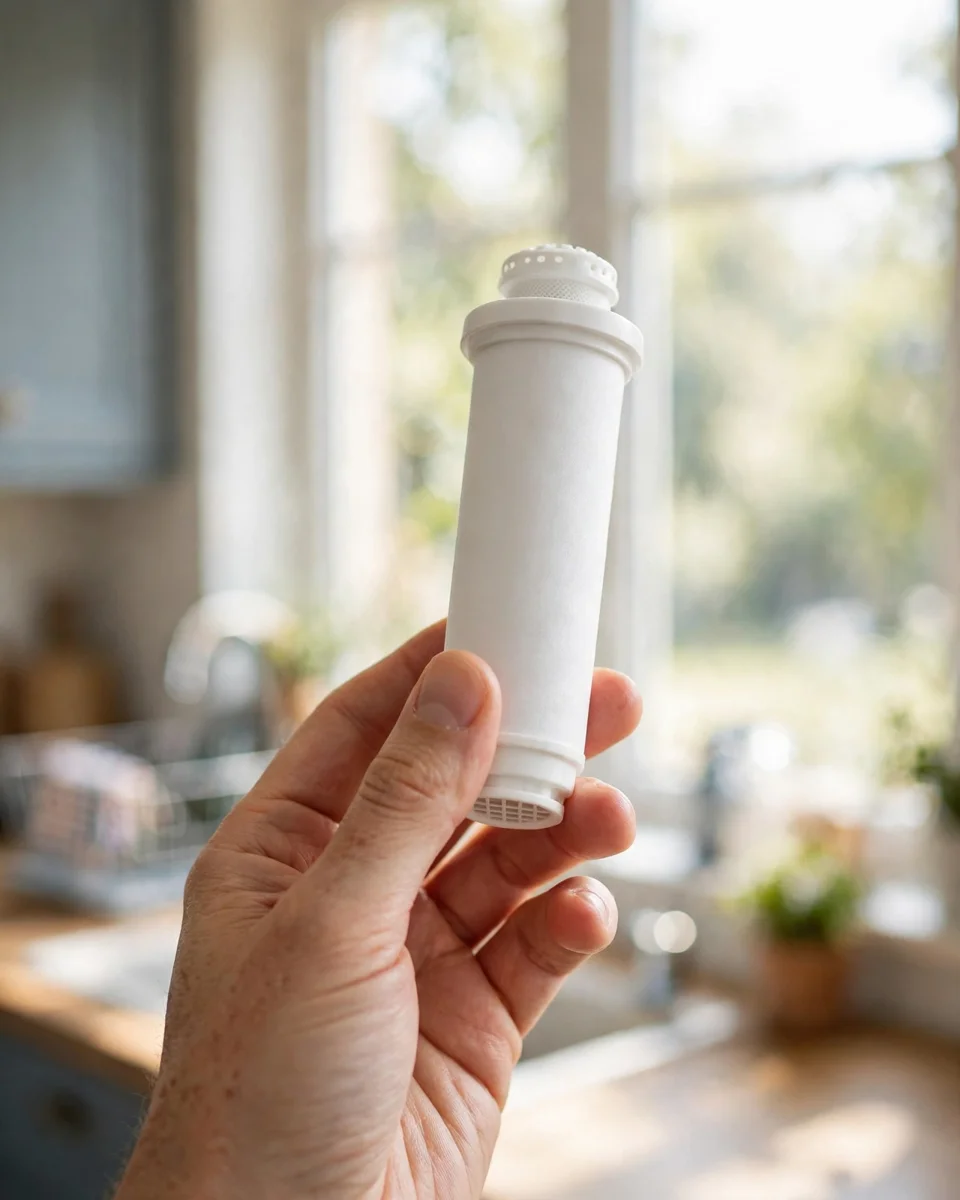
This is the same structural lesson as the lead question in do Brita filters remove lead: one logo, multiple cartridges, different certifications. For PFAS the split is starker. A small number of specialty pitchers are built and certified specifically for a broad contaminant list that includes PFAS. The mass-market cartridges that ship by the millions — the standard taste-and-odor cartridges — carry listings for chlorine and aesthetic effects, sometimes a 53-listed contaminant or two, and no PFAS claim. Even within one brand, one cartridge can hold a claim its sibling lacks. So “does Brand X remove PFAS?” is always the wrong question; “is this cartridge model listed for PFOA/PFOS?” is the right one, and it has a yes-or-no answer you can look up in two minutes.
What the certifications prove
Two listings matter. NSF/ANSI 53 is the health-effects standard; a cartridge listed under 53 with PFOA and PFOS named among its claims has been challenge-tested for PFAS by an accredited lab across its rated capacity. NSF/ANSI P473 is the dedicated standard written specifically for PFOA/PFOS reduction in drinking-water filters. Either listing, attached to your exact model in the public NSF database, is evidence. Everything else is adjectives: “advanced filtration,” “targets emerging contaminants,” “reduces hundreds of impurities” — none of those phrases is a PFAS claim, and brands use the vague ones precisely where the certified one is missing. Note the parallel trap in the fluoride question (does Brita remove fluoride): absence from the listing is the answer, in both directions of hope.
| What you find | What it means |
|---|---|
| NSF/ANSI P473 listing for the cartridge model | Certified for PFOA/PFOS reduction — this is the dedicated PFAS standard |
| NSF/ANSI 53 listing naming PFOA/PFOS | Certified for PFAS reduction under the health-effects standard |
| NSF/ANSI 53 listing without PFAS named | Certified for other health contaminants only — no PFAS claim |
| NSF/ANSI 42 only | Taste and odor (chlorine) — no health-contaminant claims, PFAS included |
| “Reduces emerging contaminants” marketing, no listing | Unverified — treat as no claim |
What the science says
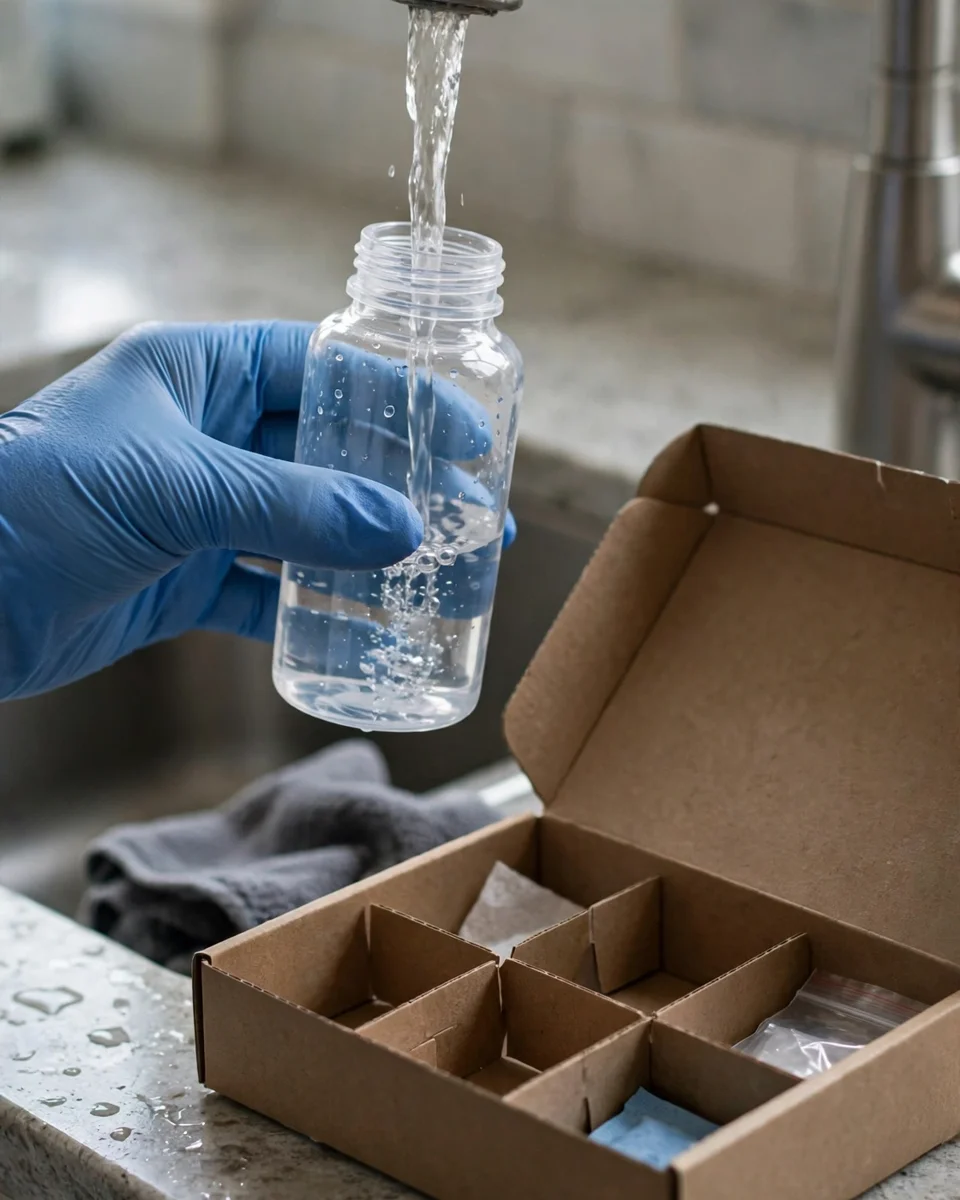
The stakes explain the strictness. The EPA’s 2024 drinking-water regulation sets enforceable limits of 4.0 parts per trillion for PFOA and PFOS — concentrations no taste, smell, color, or home meter can register. Activated carbon genuinely does adsorb PFAS; that is why certified carbon products exist. But adsorption is a capacity game: the carbon fills up, performance falls, and “breakthrough” — the point where PFAS starts passing through — announces itself in no way a kitchen can detect. An uncertified cartridge may catch some PFAS when fresh and very little later, and there is no moment where you can tell the difference without a lab. That is the entire argument for certification: the protocol tests the cartridge at its rated end-of-life, not its birthday. It is also why testing comes first — a certified-lab PFAS panel (EPA methods 533 or 537.1) on your raw tap water tells you whether you are solving a real problem or an imaginary one, and utilities publish their own PFAS monitoring in Consumer Confidence Reports for free.
Better options for PFAS
Routes with verifiable PFAS claims
- A pitcher whose cartridge is actually listed under NSF/ANSI P473 or 53-with-PFAS — they exist, mostly from specialty brands; our best water filter pitcher roundup tracks which models carry real listings.
- Reverse osmosis certified under NSF/ANSI 58 — the membrane route, and the most broadly verified PFAS barrier available at home.
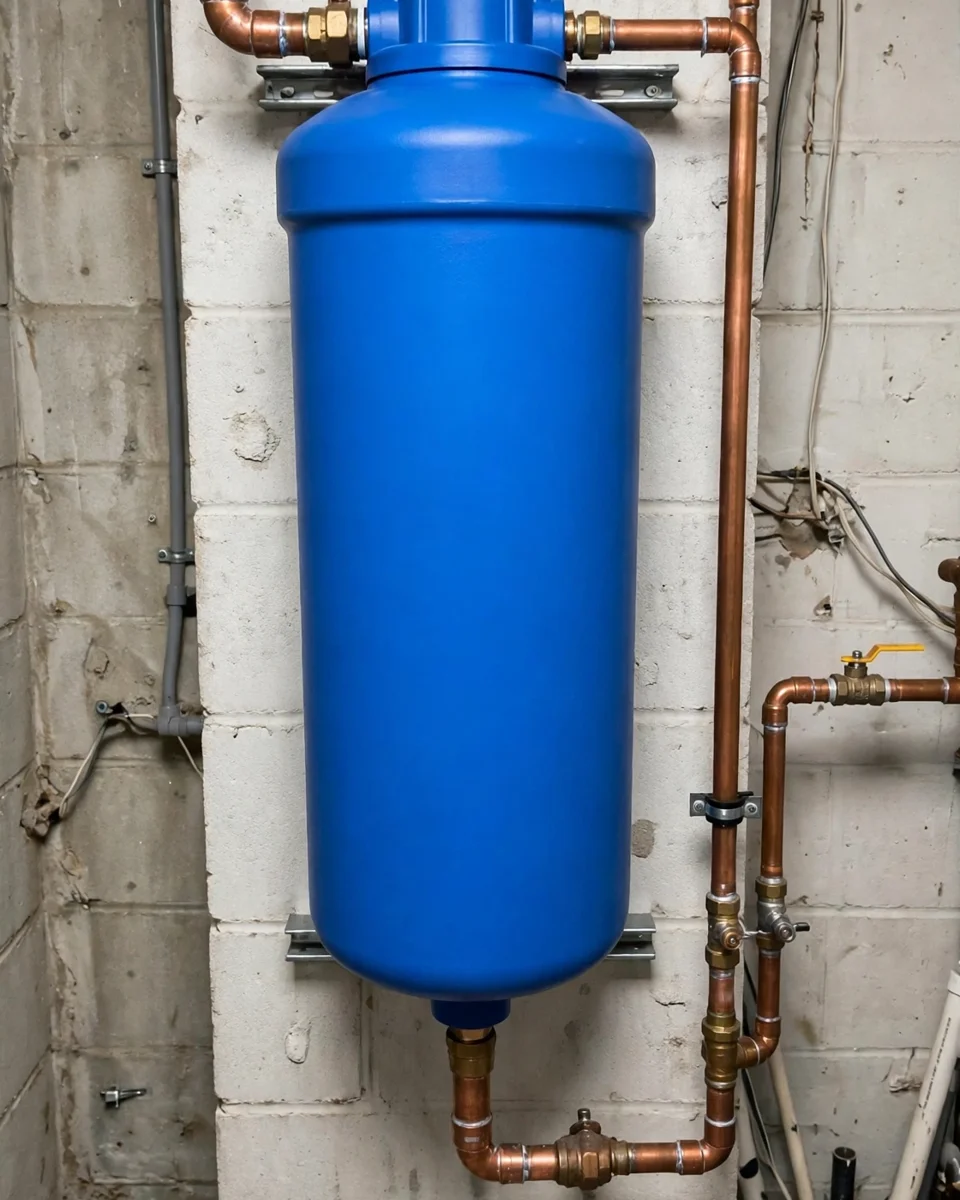
- Point-of-entry carbon systems with a PFAS listing, for households treating the whole supply rather than one tap.
- For private wells with confirmed detections, a lab-guided setup — the priorities in our pitcher guide for well water apply the same certification-first logic to untreated sources.
What does not count as a PFAS strategy
- Assuming your mainstream pitcher handles it because the box mentions “contaminants” generally.
- Any percentage claim from a blog, box, or influencer that is not backed by a listing — treat removal numbers without a certification as fiction.
- Running any cartridge past its rated life; for PFAS, the certified capacity is the claim.
- Trying to verify with a TDS meter or test strip — neither can detect PFAS at any concentration relevant here.
Conclusion
Do water filter pitchers remove PFAS? A few do — the ones whose specific cartridges carry an NSF/ANSI 53 PFAS claim or the P473 listing. Most do not, including the mainstream best-sellers, and no uncertified cartridge’s partial, fading, unmeasurable adsorption should be anyone’s plan against a 4-parts-per-trillion standard. Test your water, look up your cartridge by model, and let the listing — never the logo or the adjectives — answer the question.
Update log
October 2026: Article published. This article makes no removal-percentage claims for any consumer filter; certification statements reflect published NSF/ANSI listings as of this date — verify current listings at info.nsf.org, as certifications change.
FAQs
Does Brita remove PFAS?
Brita’s pitcher cartridges do not carry an NSF/ANSI PFAS listing — neither the standard cartridge nor Elite is certified for PFOA/PFOS reduction, so the certified answer is no. This article deliberately avoids percentage figures for uncertified products: without a listing, any number would be unverifiable at home, which is the point of checking the database yourself.
What certification should I look for on a PFAS pitcher?
NSF/ANSI P473 — the standard written specifically for PFOA/PFOS reduction — or an NSF/ANSI 53 listing that names PFOA and PFOS among the cartridge’s claims. Verify the exact model in the NSF listings database (info.nsf.org); a 53 listing for other contaminants does not extend to PFAS.
Which pitchers are certified for PFAS?
A small set of specialty pitchers carries genuine PFAS listings — they are the exception in the category, and the roster changes as certifications are granted and renewed. Rather than memorize brand names, run the two-minute database check on any model you are considering; if P473 or a 53 PFAS claim appears for that cartridge, it qualifies.
Is reverse osmosis better than a pitcher for PFAS?
For verified performance, yes: an RO system certified under NSF/ANSI 58 forces water through a membrane that PFAS molecules cannot pass, and it does so for a wide range of contaminants at once. A properly certified pitcher is a legitimate lighter-weight option; RO is the heavy-duty answer when a lab test shows meaningful detections.
How do I know if my water has PFAS?
Only a lab can tell you: order a PFAS panel from a certified laboratory (mail-in kits use the same EPA methods, 533 or 537.1), or read your utility’s published monitoring first — public systems test under federal programs and report in Consumer Confidence Reports. Strips, drop kits, and TDS meters cannot measure PFAS at parts-per-trillion scale.
Does an expired cartridge still remove PFAS?
Do not count on it. Certification covers the cartridge’s rated capacity; beyond it, adsorption sites fill and PFAS can break through with no change in taste or flow to warn you. For contaminants with invisible breakthrough, the change schedule is not a suggestion — it is the claim itself expiring.