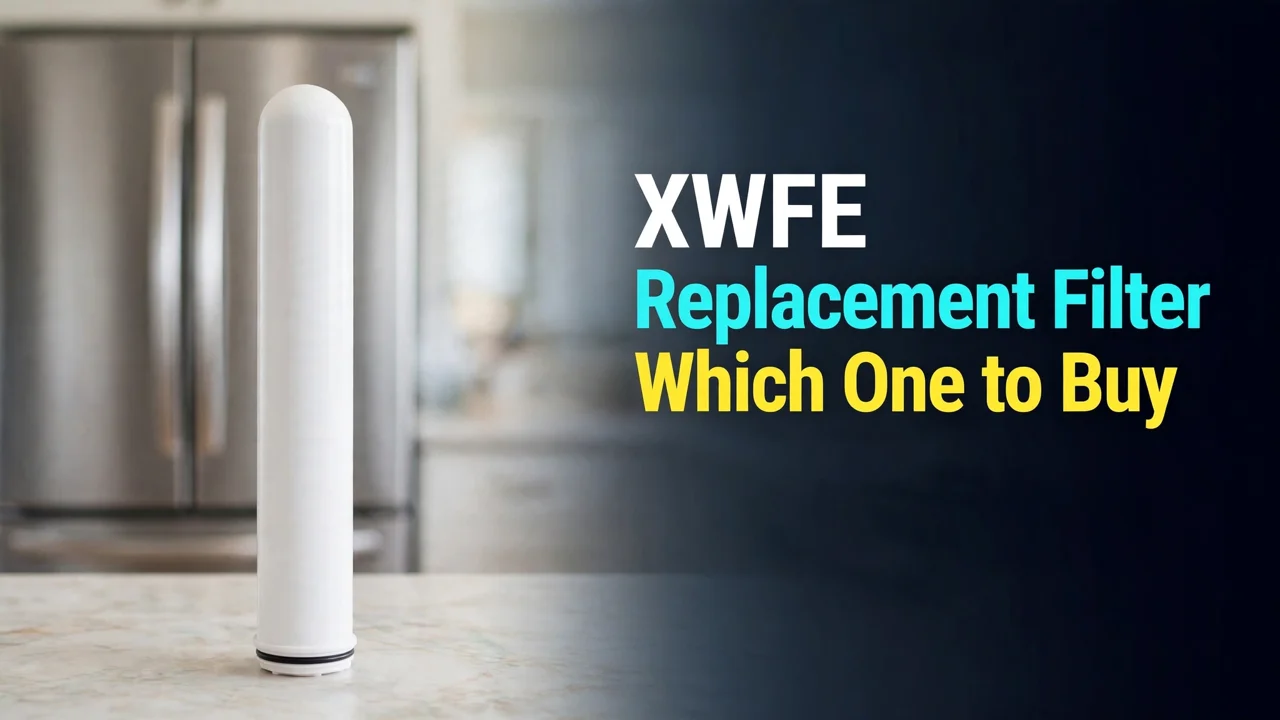

GE XWFE Replacement Filter (2026): Which One to Buy
Guide
The filter light on your GE fridge is on, and the XWFE replacement filter search is more confusing than it should be. The genuine cartridge is around $50. The older XWF looks identical and costs about $30. Compatibles run from $10 to $20 — some with a chip, some without, and the listings rarely tell you which. Pick wrong with this model and the fridge itself complains: XWFE fridges read the cartridge.
Here is the short answer: buy the genuine GE XWFE if your fridge specs it — the embedded RFID chip is what lets the fridge verify the cartridge and run its leak detection, and GE’s Performance Data Sheet states certification against NSF/ANSI 42, 53, 401 and P473 at 6 months or 170 gallons. A chipped compatible (around $19) is the workable budget route. A chipless cartridge in an XWFE fridge is the trap: the XWF and no-name chipless filters physically fit but cannot satisfy the fridge’s filter check.
Check Current PriceTable of Contents
Quick verdict
Buy the genuine XWFE — this is the model where genuine matters most. The chip is not a gimmick bolted onto the same cartridge: per GE, it authenticates the filter and enables leak detection, and XWFE fridges are built around it. Genuine runs roughly $45–55, about $90–110 a year at two changes. A chipped compatible at ~$19 cuts that to roughly $38 a year and most owners report they work — with thinner certification paperwork. Never put a chipless cartridge in an XWFE fridge to save money: that means no XWF, however cheap, and no no-name filter without a chip. Our XWFE fit, reset and cost guide covers the install, and our XWF vs XWFE comparison settles the interchangeability question in full.
First, confirm the XWFE is your filter
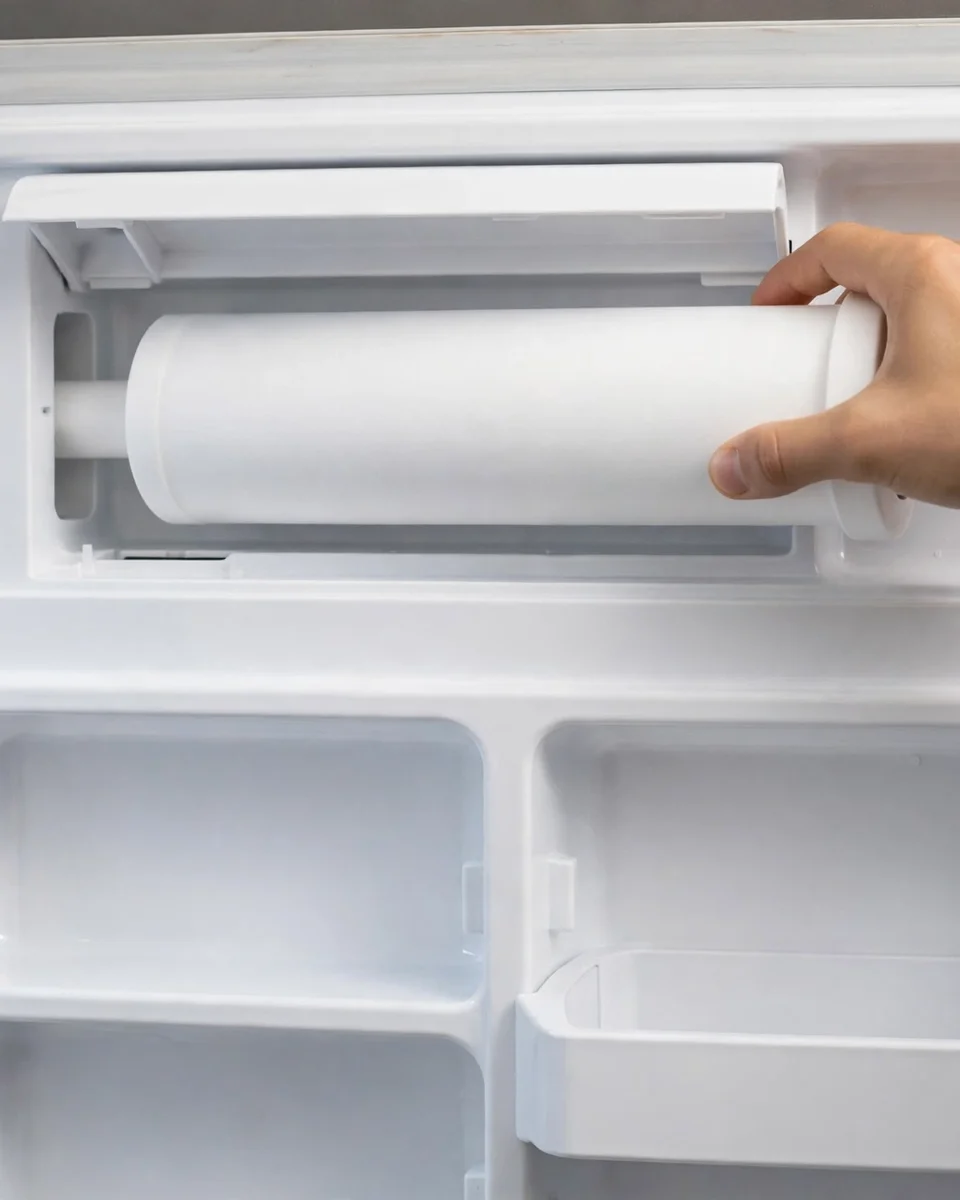
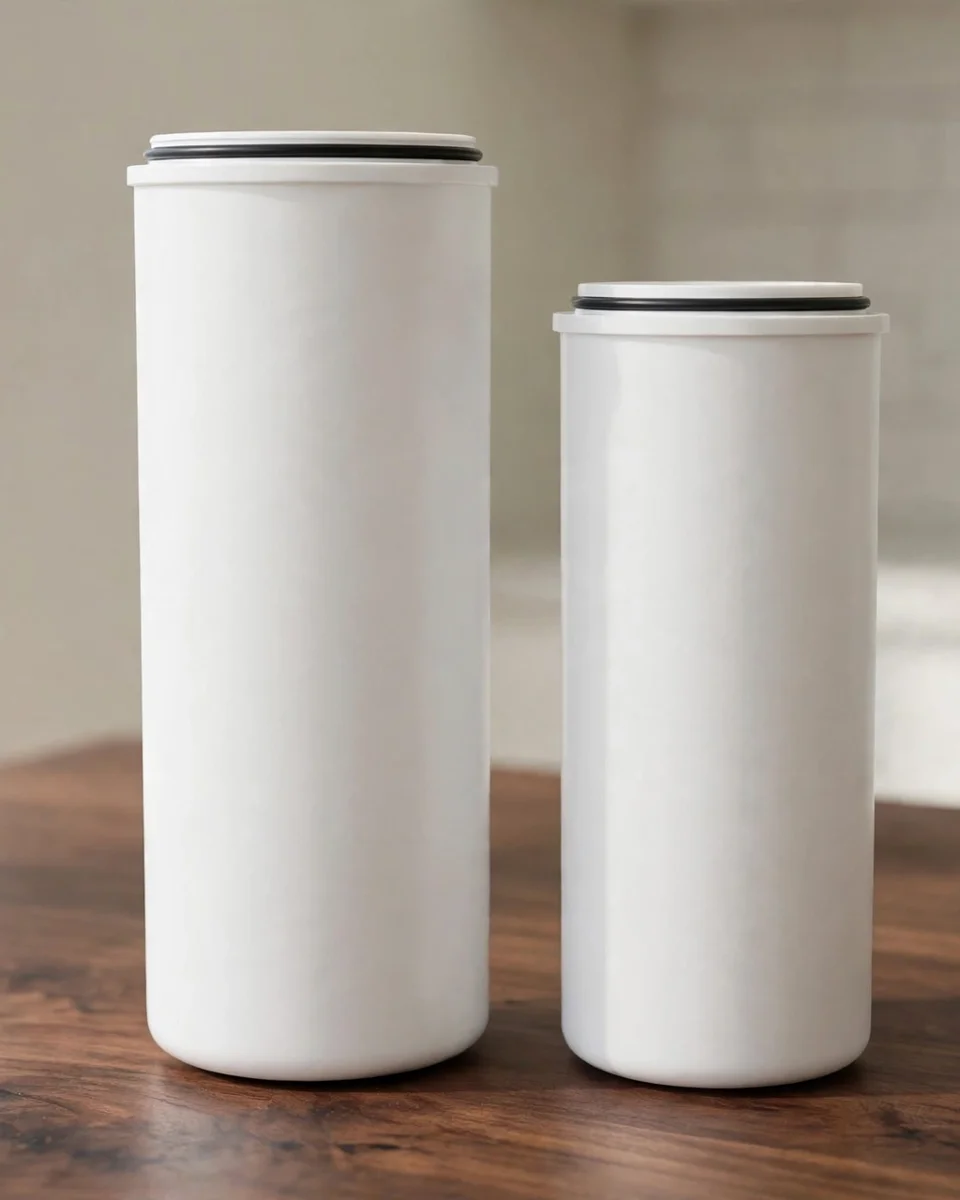
The XWFE is GE’s current internal cartridge for many Profile and Café French-door models, living in a compartment at the top of the left fresh-food door or inside the compartment’s upper corner. The check that matters is the part number on your old cartridge — XWFE, not XWF. The two cartridges share a size and shape, which is exactly why the confusion exists, but they are not interchangeable in the direction that matters: an XWFE works in an older XWF fridge, while an XWF does not satisfy an XWFE fridge’s filter check. If your old cartridge says RPWFE instead, that is GE’s other chipped line — see our RPWFE replacement guide.
Your replacement options, compared
| Option | Price per filter | Chip | Certification | Best for |
|---|---|---|---|---|
| Genuine GE XWFE | ~$45–55 | Yes — GE RFID | NSF/ANSI 42, 53, 401 + P473, per GE’s data sheet | Full function, incl. leak detection |
| Chipped compatible | ~$19 | Yes — third-party chip | Varies; NSF/ANSI 42 listings at best | Savings that still pass the filter check |
| Chipless compatible / XWF | ~$10–30 | No | Varies | XWF fridges only — not XWFE models |
Note the gallon rating while you compare: the XWFE is rated at 170 gallons or 6 months — lower than the 300 gallons many rivals quote. Heavy dispenser and ice-maker households can hit the gallon figure first, so the yearly math below assumes the standard two changes.
The chip question
Per GE, the XWFE’s RFID chip does two jobs: it lets the fridge verify that a genuine (or properly chipped) cartridge is installed and track its life, and it enables the fridge’s leak-detection function, which watches for water where it should not be. That is why the filter check on XWFE models is not just a nag screen. Owner reports are consistent on the failure mode: a chipless cartridge in an XWFE fridge triggers a filter error, and on some models the dispenser will not run until the fridge sees a chipped filter or its bypass. Third-party chipped compatibles exist precisely to answer that check — the chip in them is a real functional part of the purchase, not packaging.
Genuine XWFE — pros
- The chip, done right — authentication and leak detection work exactly as GE designed.
- Widest stated claim set — GE’s data sheet states NSF/ANSI 42, 53, 401 and P473 (PFAS) coverage.
- No error roulette — seats, reads, and resets cleanly on every XWFE model.
Genuine XWFE — cons
- The priciest mainstream cartridge — roughly $90–110 a year.
- Low gallon rating — 170 gallons, so heavy users change more often than the 6-month mark.
- Counterfeits circulate — a “genuine” XWFE at $20 is not genuine.
Fitting your replacement

Open the filter compartment, slide or swing the old cartridge out, seat the new one fully, and close the cover — a few minutes, no tools. Flush about 2 gallons through the dispenser to clear air and fines. Then reset the status: on most models, press and hold the Water Filter button on the dispenser panel for about 3 seconds. On chipped models the fridge also updates its own filter record when it reads the new cartridge. If an error appears with a compatible, reseat the cartridge first — a chip that is not fully home cannot be read. Our all-brands reset guide covers the panel variants.
Conclusion
The XWFE is the one fridge filter where the buying decision is really about electronics. Genuine (roughly $45–55) keeps GE’s authentication, leak detection and stated 42/53/401/P473 claim set all working. A chipped compatible (roughly $19) is a legitimate budget answer that respects the filter check. A chipless cartridge — XWF included — is false economy in an XWFE fridge no matter how well it fits the hole. Buy for the chip first, the certification second, and the price third.
Update log
October 2026: Guide published with specifications checked against GE’s XWFE Performance Data Sheet and current retailer listings.
FAQs
Can I use an XWF filter in an XWFE fridge?
No — not properly. The XWF shares the XWFE’s size and shape, but it has no RFID chip, and XWFE fridges check for one. Owners consistently report filter errors with chipless cartridges, and on some models the dispenser will not run. The reverse works fine: an XWFE can be used in an older XWF fridge.
Why does my fridge show a filter error with a compatible XWFE?
Usually one of two causes: the compatible has no chip, or its chip is not being read because the cartridge is not fully seated. Reseat the cartridge firmly and close the compartment completely. If the error persists with a chipless cartridge, the fridge is doing exactly what GE designed it to do — the fix is a chipped cartridge.
Does the XWFE remove PFAS?
GE’s Performance Data Sheet for the XWFE states certification to NSF/ANSI P473, the standard for PFOA and PFOS reduction, alongside 42, 53 and 401. That is a brand-published data-sheet claim — one of the broadest stated claim sets on any fridge cartridge.
How long does an XWFE last?
GE rates the XWFE at 6 months or 170 gallons, whichever comes first. The gallon figure is lower than many rival cartridges, so households that use the dispenser and ice maker heavily may reach it before six months — slowing flow is the practical signal.
Are chipped compatible XWFE filters a good buy?
They are the reasonable budget option: at roughly $19 against $45–55 genuine, a chipped compatible passes the fridge’s filter check and keeps the water flowing, and two a year run about $38. What you give up is paperwork — their certification listings are thinner than GE’s data-sheet claims, topping out at NSF/ANSI 42 where they are listed at all.
How do I reset the filter status after changing the XWFE?
Press and hold the Water Filter button on the dispenser panel for about 3 seconds, until the status indicator clears. On chipped models the fridge also reads the new cartridge’s chip as part of its filter tracking. If the status will not clear, reseat the cartridge and try the hold again.