Brita Elite vs PUR Plus (2026): Which Should You Buy?
Both of these pitchers promise lead reduction, and both sit at the top of their brand’s lineup. Yet they run very differently: one filter lasts about six months, the other about two; one certification list stops at two standards, the other claims a third. Pick wrong and you either pay for swaps you did not budget for — or miss coverage you thought you had.
Here is the short answer: the BRITA Elite (OB06) is the low-effort pick — WQA-listed 42 and 53 including lead, rated at about 120 gallons per cartridge. The PUR PLUS (CRF-950Z) is the wide-coverage pick — PUR states WQA certification to 42, 53 and 401 including lead, and that extra 401 standard is the headline difference. This comparison is researched and compared from the brands’ Performance Data Sheets, certifier listings and owner feedback — so you can see which flagship fits your kitchen.
The wide-coverage pick
PUR PLUS
~$38–44
PUR states WQA certification to 42, 53 and 401 including lead — the widest stated coverage here — on a 40-gallon cartridge swapped about six times a year.
Our pick for most buyers
BRITA Elite
~$35–41
WQA-listed 42 and 53 including lead on a cartridge rated about 120 gallons — two swaps a year and the lower yearly filter bill.
BRITA Elite in one sentence: the set-and-forget flagship — WQA-listed NSF/ANSI 42 and 53 including lead, and a cartridge rated at about 120 gallons (roughly 6 months).
PUR PLUS in one sentence: the coverage flagship — PUR states WQA certification to NSF/ANSI 42, 53 and 401 including lead, on a cartridge rated at about 40 gallons (roughly 2 months).
Who wins for whom: hate filter changes → BRITA Elite. Want the broadest stated coverage, including 401 → PUR PLUS. Taste alone? Both fix chlorine taste; buy on life and coverage.
Price checked at time of writing; it changes often — see the live price before you buy.
Table of Contents
Side-by-side comparison

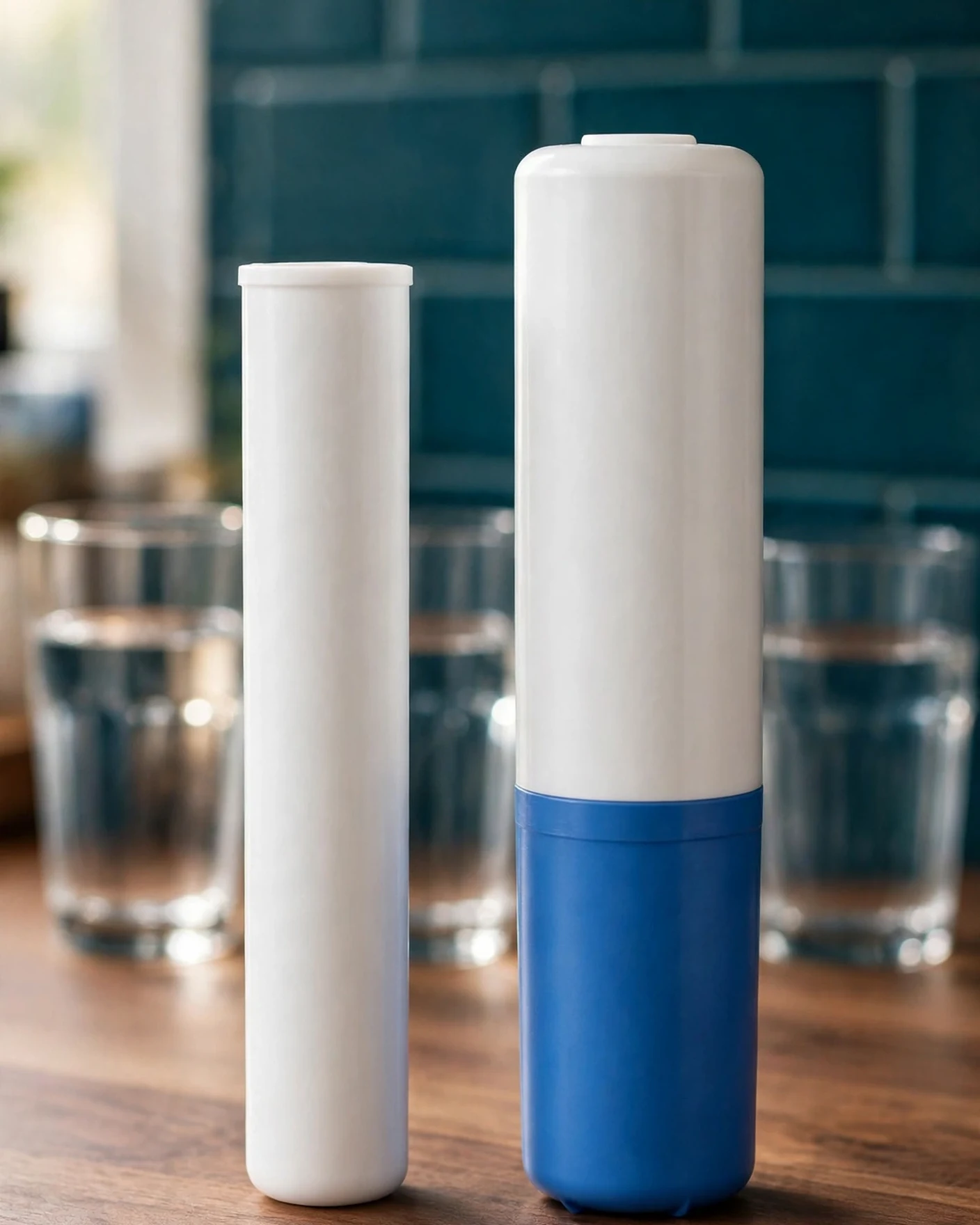
These two filters look interchangeable on a shelf. They are not — different cartridges, different pitchers, different running costs. The table below puts the deciding specs in one place, drawn from the brands’ published data.
| BRITA Elite ★ Winner | PUR PLUS | |
|---|---|---|
| Filter model | Elite (OB06) | PLUS (CRF-950Z) |
| Filter tech | Carbon + ion exchange | Carbon + ion exchange |
| Certification coverage | WQA-listed NSF/ANSI 42 + 53, incl. lead | Brand-stated WQA NSF/ANSI 42 + 53 + 401, incl. lead |
| NSF/ANSI 401 (emerging compounds) | No | Yes — brand-stated (see Certifications) |
| Filter rated life | 120 gallons / ~6 months | 40 gallons / ~2 months |
| Replacements per year | ~2 | ~6 |
| Pitcher price (estimate) | ~$35–41 | ~$38–44 |
| Replacement filter price, each (estimate) | ~$18–25 | ~$8–18 |
| Estimated yearly filter cost | ~$36–50 | ~$50–108 |
| Taste profile | Clean, mineral-retained | Clean, mineral-retained |
| Best for | Fewest filter changes, lowest yearly cost | Widest stated certification coverage |
Read the table as a trade, not a tie. The Elite gives you three times the filter life; the PLUS gives you one more certification standard. Everything else is close enough to ignore. If you are comparing the brands more broadly, our BRITA vs PUR guide covers every tier, and BRITA vs ZEROWATER shows what the mineral-stripping alternative looks like.
Certifications
Certifications are the only fair way to settle this matchup, because both brands use similar carbon and ion-exchange media. Our rule: a claim appears here only if a brand Performance Data Sheet or a certifier listing states it — and you can check every line yourself.

BRITA Elite (OB06)
The Elite filter is WQA-listed to NSF/ANSI 42 and 53. Its published Performance Data Sheet covers chlorine taste and odor and particulates under 42, and lead — the reason this cartridge costs more than a standard BRITA — plus mercury, cadmium, benzene and asbestos under 53. What it does not include is NSF/ANSI 401: the Elite’s published listing stops at 42 and 53.
PUR PLUS (CRF-950Z)
PUR states that the PLUS filter is WQA certified to NSF/ANSI 42, 53 and 401, including lead. The 401 standard covers emerging compounds — certain pharmaceuticals, pesticides, herbicides and industrial chemicals — that 42 and 53 do not target. That makes the PLUS the widest certified list in this matchup, and the single biggest reason to choose PUR here.
One honest flag: some third-party summaries of the CRF-950Z list 42 and 53 only — and listings change. Search the current CRF-950Z row at info.nsf.org or the WQA directory, and treat only what you find there as proven. Our BRITA Elite vs ZEROWATER comparison shows how a different certifier’s listing (IAPMO) reads, if you want a second example of checking the database instead of the box.
Certification covers only the contaminants named in the listing, under test conditions. Neither filter is certified for fluoride or bacteria — if either is your concern, a pitcher is the wrong product regardless of brand.
Cost per year
The pitcher prices are nearly the same, so cartridges decide this matchup. Pitcher filters are a subscription you pay in plastic, and these two bill it very differently.

| BRITA Elite | PUR PLUS | |
|---|---|---|
| Pitcher (upfront, estimate) | ~$35–41 | ~$38–44 |
| Filter rated life | 120 gal / ~6 months | 40 gal / ~2 months |
| Filters per year | ~2 | ~6 |
| Replacement filter price, each (estimate) | ~$18–25 | ~$8–18 |
| Estimated yearly filter cost | ~$36–50 | ~$50–108 |
Two things jump out. First, the Elite wins the yearly math even though each cartridge costs more: two swaps at an estimated $18–25 beat six swaps at an estimated $8–18, landing near $36–50 a year against roughly $50–108. Second, the PLUS range is wide because multipack pricing swings a lot. For the PUR side of this trade in more depth, see PUR vs ZEROWATER.
Owner voices
Specs tell you what each filter should do. Owner reviews — read across major retail listings, looking for complaints that repeat across many owners — tell you what living with each one is like.

BRITA Elite owners
Black carbon specks. The number-one recurring BRITA complaint: tiny black particles in the first few pitchers from a fresh filter. The manufacturer attributes them to harmless carbon fines — rinse and soak the filter before first use, and owners report the specks clearing quickly.
Lid fit. A smaller but persistent thread: the lid does not always seat securely and can slip when pouring a full pitcher. Annoying, not deal-breaking — and owners repeatedly cite two swaps a year as the reason they stay anyway.
PUR PLUS owners
Slow flow. The recurring PUR theme is filtering speed: owners consistently report slower filtering than expected, especially toward the end of a cartridge’s life — and in hard-water areas the slowdown can arrive well before the 40-gallon rating.
Frequent swaps add up. Six cartridges a year is the complaint behind the complaint: owners like the water, then do the yearly math and feel the drip of small purchases. If a third option is tempting you, our three-way BRITA vs PUR vs ZEROWATER comparison lays all three philosophies side by side.
Which should you buy?
Two different bargains, no loser — the right one depends on whether you would rather pay in filter changes or certification breadth.
- Buy the BRITA Elite if you want certified lead reduction with the least upkeep. Two filter swaps a year, the lower yearly filter bill (an estimated $36–50), and a WQA-listed 42 and 53 claim set that covers the contaminants most households actually worry about.
- Buy the PUR PLUS if the widest stated coverage matters more than convenience. PUR states WQA certification to 42, 53 and 401 including lead — unique in this matchup — as long as you accept roughly six swaps a year, an estimated $50–108 yearly filter bill, and verifying the current listing yourself before buying.
- Buy neither if all you want is better-tasting water. These are premium, lead-certified tiers; a basic taste-and-odor pitcher costs less and does the chlorine job fine.
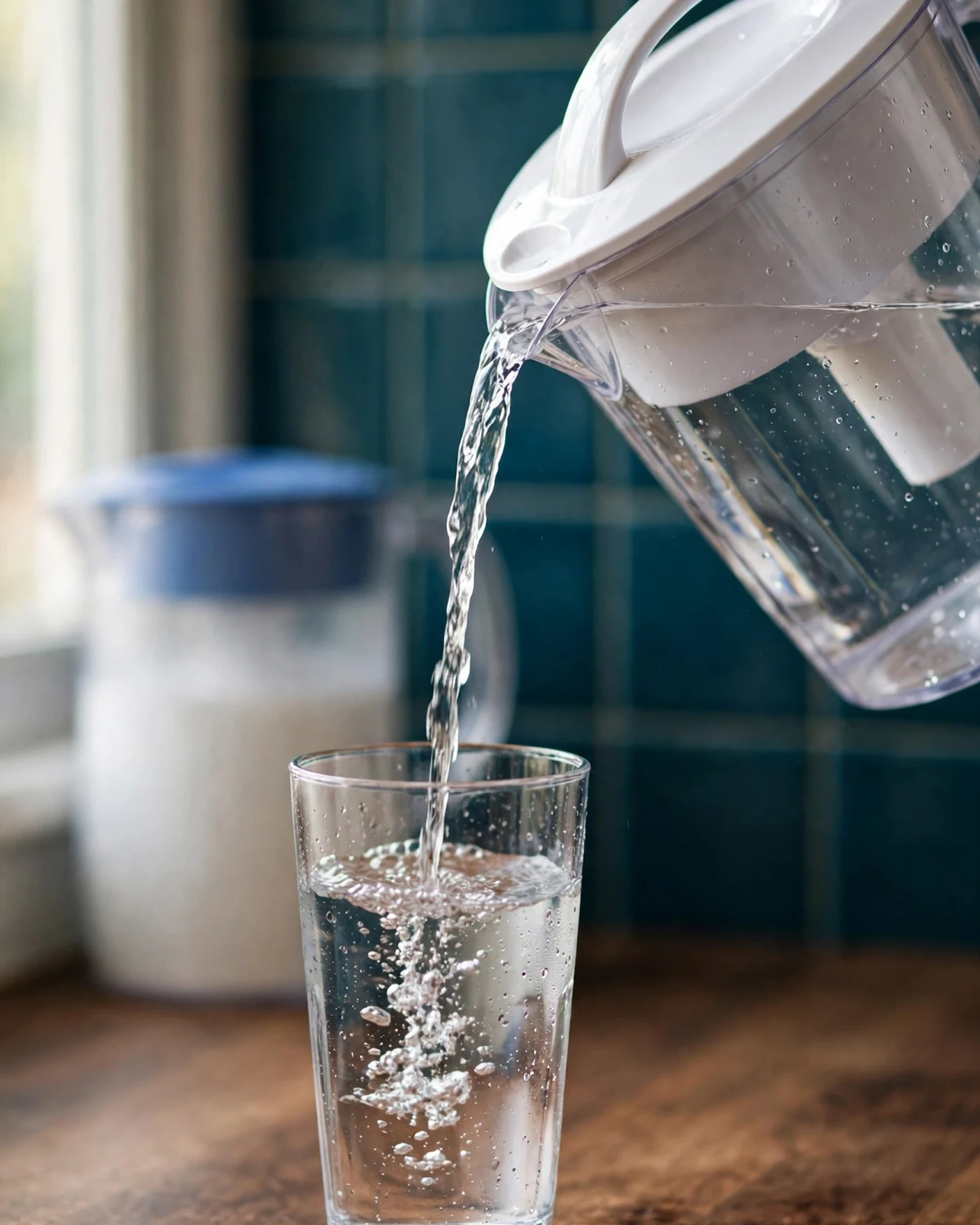
Our pick for most buyers is the BRITA Elite: 42 and 53 coverage plus a 120-gallon cartridge is the better everyday deal. The PUR PLUS is the pick for the coverage-first buyer — if the 401 list matches a concern in your local water report, its extra swaps are a fair price. Either way, check the certifier listing and the live price before you commit: you are also choosing a pitcher ecosystem, and these cartridges do not fit each other’s pitchers.
Price checked at time of writing; it changes often — see the live price before you buy.
Price checked at time of writing; it changes often — see the live price before you buy.
FAQs
Brita Elite vs PUR Plus — which one should I buy?
It depends on what you value most. Pick the BRITA Elite (OB06) if you hate changing filters: it is rated at about 120 gallons, so roughly two swaps a year, with WQA-listed NSF/ANSI 53 lead reduction. Pick the PUR PLUS (CRF-950Z) if you want the widest brand-stated certification list — PUR states WQA certification to NSF/ANSI 42, 53 and 401, including lead — and you do not mind swapping filters about every two months.
What is NSF/ANSI 401, and why does it matter here?
NSF/ANSI 401 is the emerging-compounds standard, covering substances the older 42 and 53 standards do not target — some pharmaceuticals, pesticides, herbicides and industrial chemicals. It is the headline difference: PUR states its PLUS filter (CRF-950Z) is certified to 401; the BRITA Elite’s listing covers 42 and 53.
Are both filters certified for lead?
Yes — both carry a lead claim through WQA listings. BRITA’s Elite filter (OB06) is WQA-listed to NSF/ANSI 53 for lead reduction, per BRITA’s published Performance Data Sheet. PUR states that its PLUS filter (CRF-950Z) is WQA certified to NSF/ANSI 42, 53 and 401, including lead. Certification means the filter reduced lead under standardized test conditions — not a promise for every lead level in every home. If lead is your main concern, test your water first and check the current listing at info.nsf.org or in the WQA directory.
Which is cheaper to run per year, Brita Elite or PUR Plus?
The BRITA Elite is cheaper to run. Elite cartridges cost more each — an estimated $18–25 — but last about 120 gallons, so a year of filters lands around an estimated $36–50. PUR PLUS cartridges cost less each — an estimated $8–18 — but last about 40 gallons, so six swaps a year lands around an estimated $50–108. All prices are October 2026 estimates.
Can I use a Brita Elite filter in a PUR pitcher, or the other way around?
No. The two brands use different cartridge designs and pitcher ecosystems, and the filters are not interchangeable. A BRITA Elite (OB06) cartridge only seats in BRITA pitchers, and a PUR PLUS (CRF-950Z) cartridge only seats in PUR pitchers and dispensers. Switching brands means buying a new pitcher — which is why this choice is worth getting right the first time.
Why do some listings show PUR Plus certified to 42 and 53 only?
Because summaries get copied, shortened and left out of date. Some third-party summaries of the PUR PLUS filter (CRF-950Z) list NSF/ANSI 42 and 53 only, while PUR’s own materials state WQA certification to 42, 53 and 401. When sources disagree, the certifier’s database wins: search the current CRF-950Z listing at info.nsf.org or in the WQA directory before you buy.
Update log
- Zulqarnain: Review published.